
|
Getting your Trinity Audio player ready...
|
This summer, Earthworks embarked on a road trip with partners that started in the Permian Basin, which spans from West Texas to Southeastern New Mexico, and ended on the Texas Gulf Coast. Record-breaking production of oil and gas in the Permian Basin has made the U.S. the world’s top oil and gas exporter, causing environmental and health harms in communities all along the supply chain. This is the first blog in a series documenting those harms.
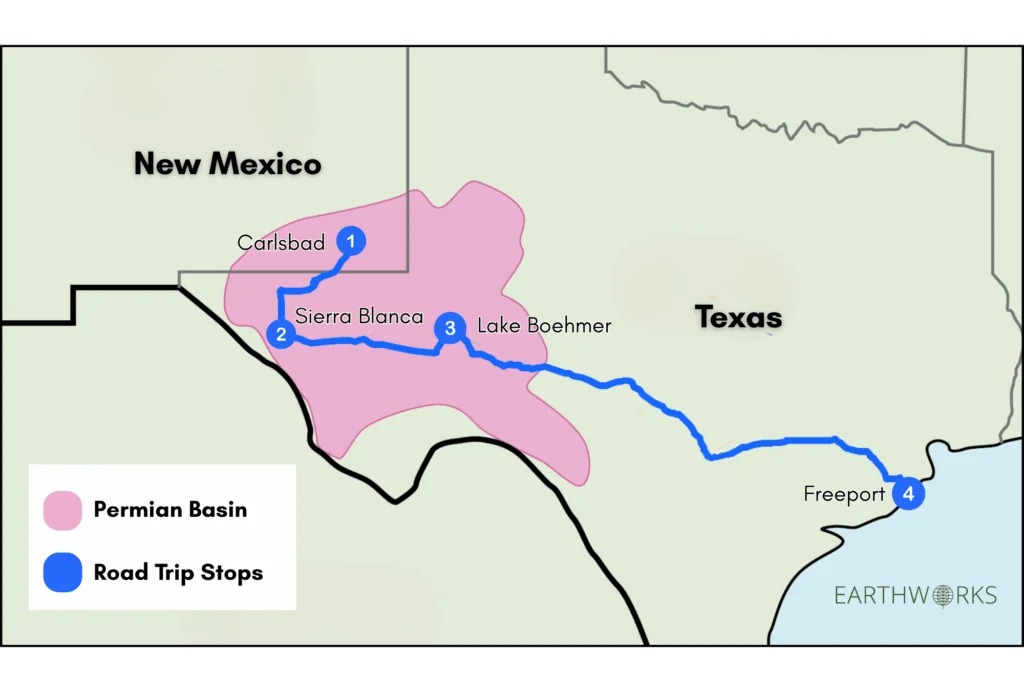
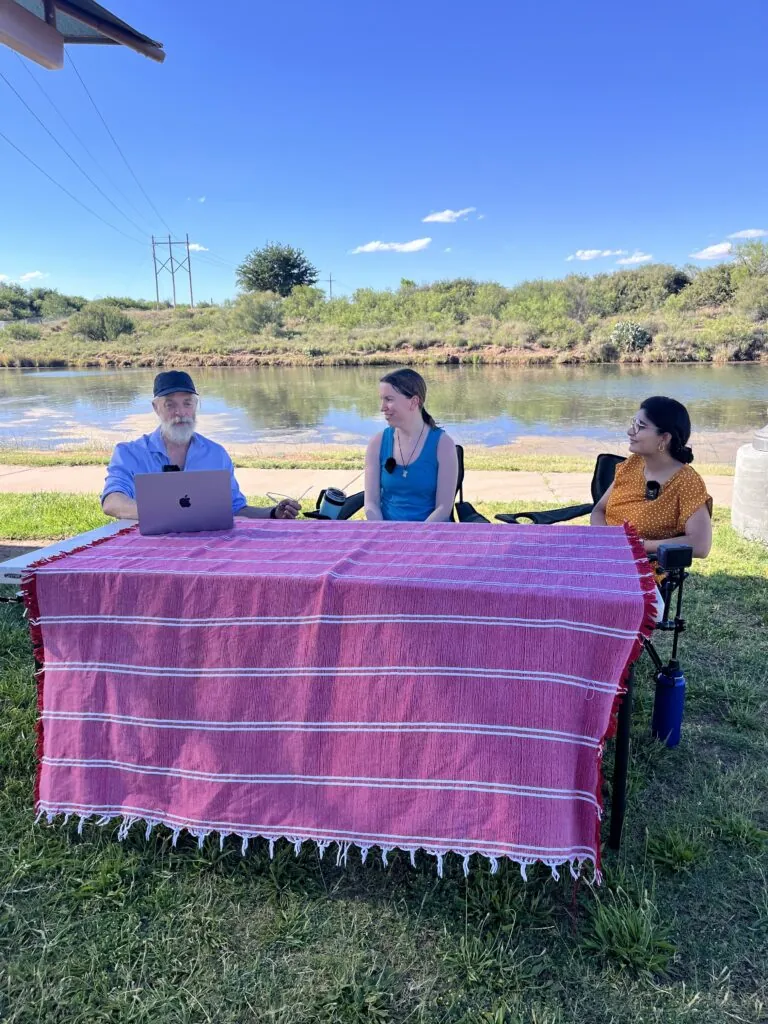
We began our journey in Carlsbad, New Mexico, which is in the Permian Basin, one of the biggest oil- and gas-producing areas in the United States. There, we sat down with Laalitha Surapaneni, physician and volunteer with Physicians for Social Responsibility, and Kayley Shoup, lifelong resident of Carlsbad and organizer at Citizens Caring for Our Future.
“Nobody here is talking about it,” Shoup said of the impacts oil and gas infrastructure has on public health. “Fossil fuel corporations do a great job making communities think they cannot survive without them.”
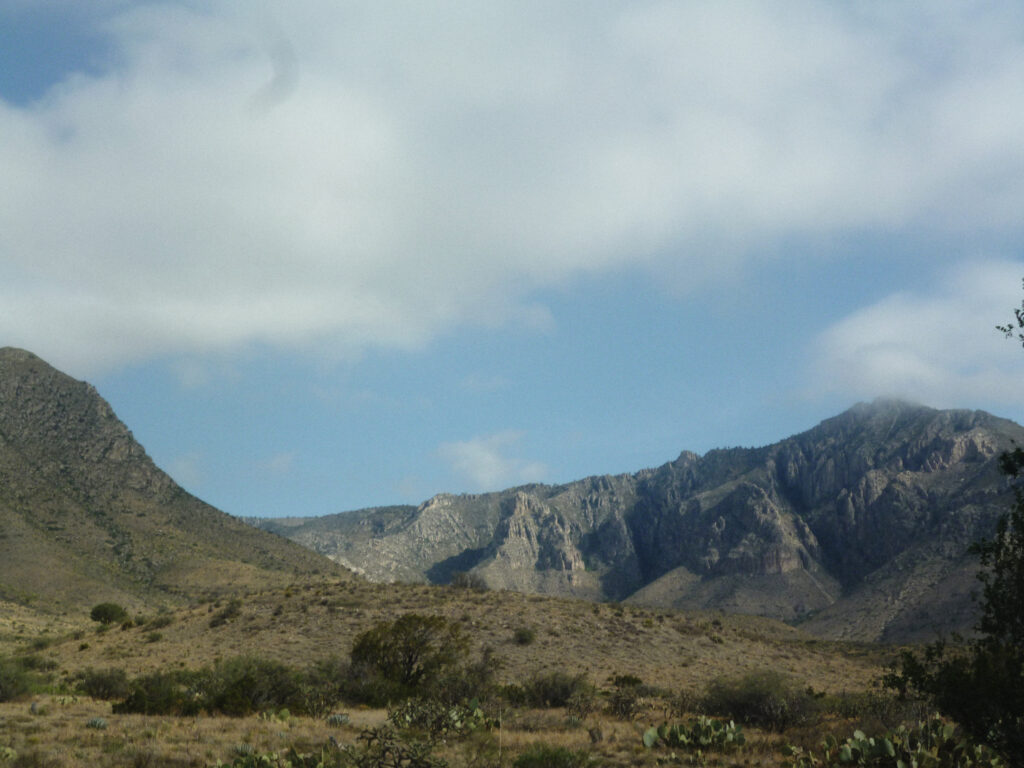
Carlsbad wasn’t always marked by the oil and gas industry encroaching on the city. Historically, the town’s economy depended on agriculture and tourism tied to the grand Guadalupe Mountains and spectacular Carlsbad Caverns. But in the late 2000’s, the invention of hydraulic fracturing, or fracking, increased production capacity, leading to a boom in oil and gas production in the Permian Basin. After a ban on exporting crude oil was lifted by Congress in 2015, U.S. crude oil production and associated “natural” gas production spiked. This transformation reshaped landscapes and lives across the Permian Basin in Texas and New Mexico.
Gas that is fracked isn’t just methane, a climate superpollutant. It contains particulate matter, nitrogen oxides (NOx), and volatile organic compounds (VOCs), like benzene, a known carcinogen. When NOx and VOCs seep out of fracking and drilling infrastructure they react with heat and sunlight to create ground-level ozone, which can lead to serious consequences including asthma and inflamed airways, difficulty breathing, and make lungs more susceptible to infections.
Right now, southeast New Mexico has some of the highest ozone levels in the country, and they are trending upwards. Air quality monitors at the Carlsbad Caverns have found ozone levels to regularly exceed the EPA’s 8-hour health standard of 70 ppb. These frequent ozone exceedances have been linked directly to oil and gas activities—particularly drilling, venting, and flaring in the Permian Basin. To complicate things, prevailing winds blow east-to-west, carrying ozone-forming precursors from West Texas into New Mexico. While New Mexico monitors ozone levels, Texas does not.
Fracking is also associated with emissions of tiny particulate matter, or PM 2.5, which increases the risk of heart attacks and strokes, and is causally linked to cardiovascular death by the American Heart Association. Fracking’s chemical cocktail also often includes PFAS (“forever chemicals”), heavy metals, and other hazardous compounds. These accumulate in water and dust, posing long-term threats to local communities.

The second Trump administration is doing everything in its power to rollback air- and water-quality regulations that protect communities from pollution. In just the first 100 days, 145 regulatory rollbacks were initiated, with major reversals on air, water, climate, endangered species, and fossil fuel regulations.
In New Mexico, enforcement proves to be a major challenge. In fact, the state has some of the leading methane rules in the country; yet enforcement lags far behind. That’s why Citizens Caring for the Future advocates for environmental safeguards, particularly focussing on the enforcement and implementation of state methane rules. The grassroots group, which formed in 2019 with support from Earthworks and Interfaith Power & Light, educates residents and empowers local leaders and faith congregations to speak out.
New Mexico residents can get involved with Citizens Caring for the Future by visiting their website or learn more about their work by following them on Instagram.
Health professionals and allies can take action with Physicians for Social Responsibility by visiting their website and getting involved.
We are all impacted by oil and gas pollution but together, we can make a difference for everyone.