
|
Getting your Trinity Audio player ready...
|
The Air is Shared
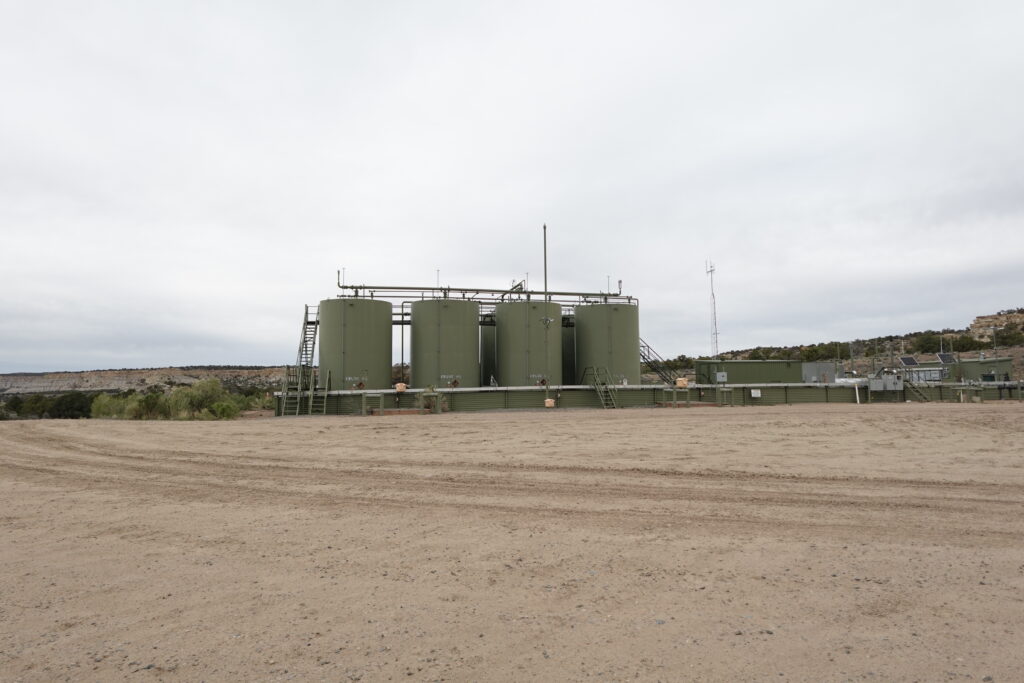
What happens at an oil and gas site doesn’t stay there. It moves. Out here there aren’t many barriers separating well sites from homes or schools. Emissions travel with the wind, across dirt roads, and into spaces where families live, breathe, and recreate. Wells and equipment are not tucked far away. They exist alongside homes and near schools. That close proximity means exposure is not limited to workers at a well site. It also means exposure to children in classrooms, families in their homes, and to anyone moving through the area.
Rural communities across the country face similar conditions: limited oversight, fewer basic resources, and less access to information about what they are being exposed to. Exposure doesn’t stop at the fence line of a well site. Exposure exists in and outside the well sites. When emissions are invisible, it becomes easier to overlook them.
March 2026
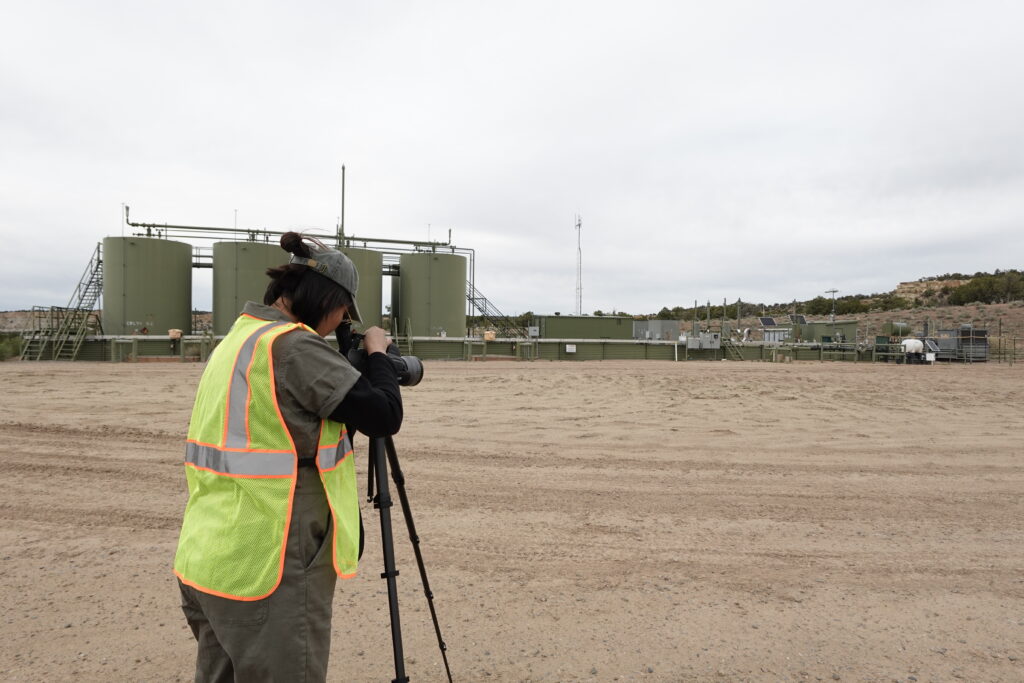
In March, we visited 18 total oil and gas well sites across the Eastern Navajo Agency, of which 14 were observed emitting either consistently or intermittently. Six complaints were filed with the New Mexico Environmental Department. That means we saw harmful pollution coming from over 75% of oil and gas sites we visited in just one day. These emissions were commonly found coming from equipment such as storage tanks.
April 2026
On April 16, 2026, community members gathered in Lybrook, New Mexico for a Toxic Tour led by Earthworks and Dine CARÉ to better understand oil and gas impacts in the Lybrook area. Using a FLIR camera, participants were able to see otherwise invisible emissions from oil and gas well sites located near Lybrook Elementary School and residential areas. Attendees noted strong odors near active sites, reinforcing ongoing community concerns about air quality and health. Residents shared experiences of headaches, nausea, and frequent exposure to harmful smells while living near industry activity. As a direct result of the tour, 6 complaints were filed with the New Mexico Environment Department. The Navajo Nation Environmental Protection Agency was also notified.
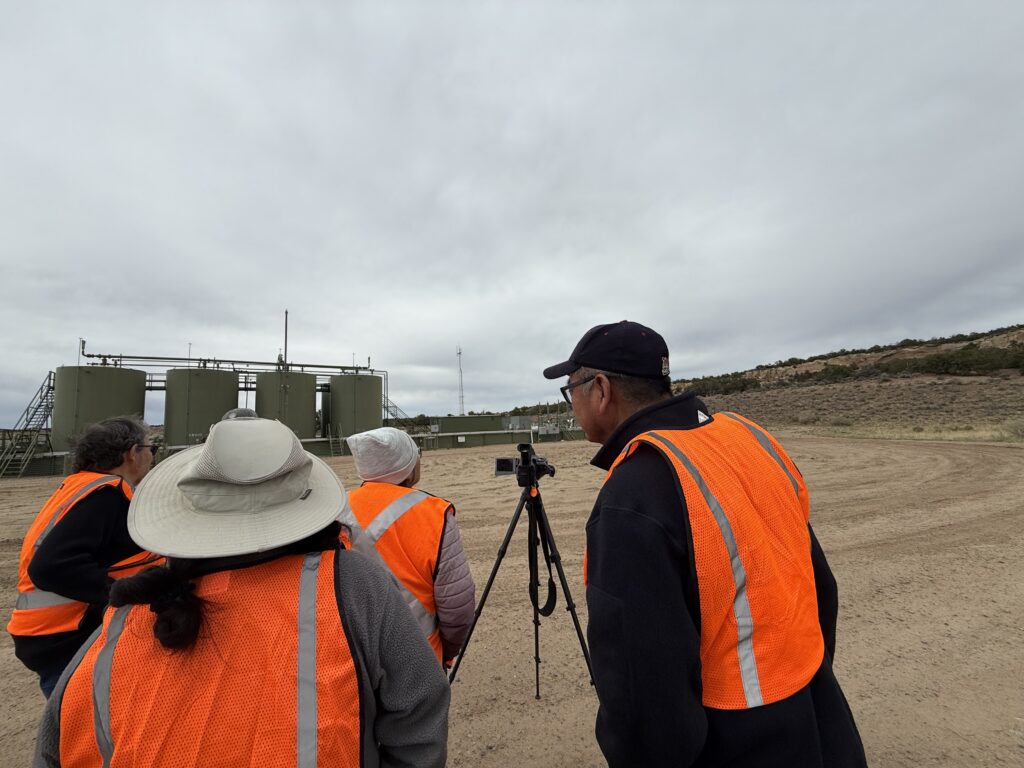
Using a FLIR camera, participants observed emissions from well sites near schools, including Hanaadli Community School and Dzith-na-o-dith-le Community School. At one site, faint black smoke rose from an enclosed flare. At another, the smell of gas was noticeable. For many in the Counselor area, this confirmed lived experiences. Community members shared experiences of headaches, nausea, and persistent odors.
Why Toxic Tours?
Community toxic tours are important because they give community members the opportunity to see oil and gas operations up close and better understand how these sites may impact air quality, health, and safety. The tours also create space for people to share their own experiences and observations living near the development. Through these tours, we hope to increase awareness, strengthen community knowledge, and encourage ongoing conversations about health, safety, and protecting the land for future generations.
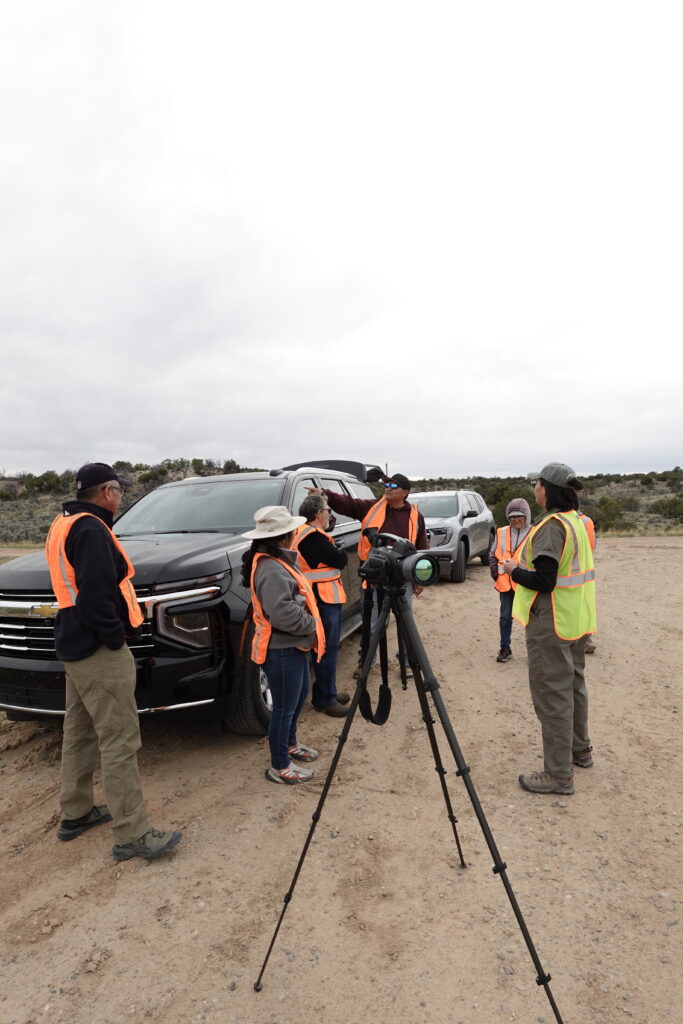
As someone who lives and works here as a certified thermographer, I see the importance of documenting emissions. The FLIR camera helps map areas that are not receiving consistent inspections. Responsibility is complex across federal, state, tribal, allotment, and private lands and oversight is inconsistent. That’s why Earthworks uses a tool like the FLIR camera to help communities see what they’ve been feeling for years and have the ability to push for greater accountability in Indigenous communities.
Take action by contacting representatives, learning more about how oil and gas infrastructure harms the public health and safety of communities, and engage in processes like showing up to give public comments when new rules and regulations are under consideration.