
|
Getting your Trinity Audio player ready...
|
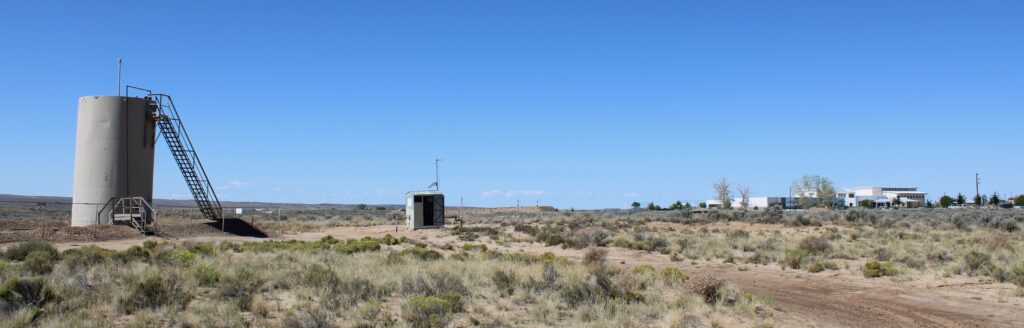
New Mexico’s Oil Conservation Commission voted [Friday / DAY OF WEEK] to adopt the strongest standards in the country for making oil companies pay to clean up after themselves.
This win was years in the making and it belongs to every New Mexican who spoke up, showed up, or signed on.
[Add if results are MIXED]The final rules do not include all of the strongest safeguards that were proposed by community and environmental groups. They do include meaningful improvements that will help address the growing risks posed by inactive and abandoned oil and gas wells across the state.
What Happened and Why It Matters
Last fall, Earthworks published a blog laying out the scope of the problem: oil and gas companies in New Mexico were routinely walking away from low-producing wells without cleaning them up. Abandoned wells, when left poorly or improperly plugged, can continuously release toxic air pollution, contaminate soil and water supplies. And what’s more, abandoned wells in the state leave taxpayers exposed to anywhere from $700 million to $8 billion in future cleanup costs. Under the old rules, a single operator could own thousands of wells and post as little as $250,000 total. This is a tiny amount when the average cost to plug a single well is $163,000.
The Oil Conservation Commission just changed that.
The updated rules:
- raise bonding to $150,000 per well for high risk operations;
- strengthen rules about transfers ownership of wells;
- require low-producing “marginal” wells to prove a useful purpose or be properly plugged;
- and tighten inactive well rules so that these can no longer remain indefinitely without cleanup plans.
These changes mark a fundamental shift in who is responsible for the cleanup cost of oil and gas extraction in New Mexico.
The companies that profit from extraction will now be responsible for paying for cleaning up their own mess.
What Earthworks Sees in the Field
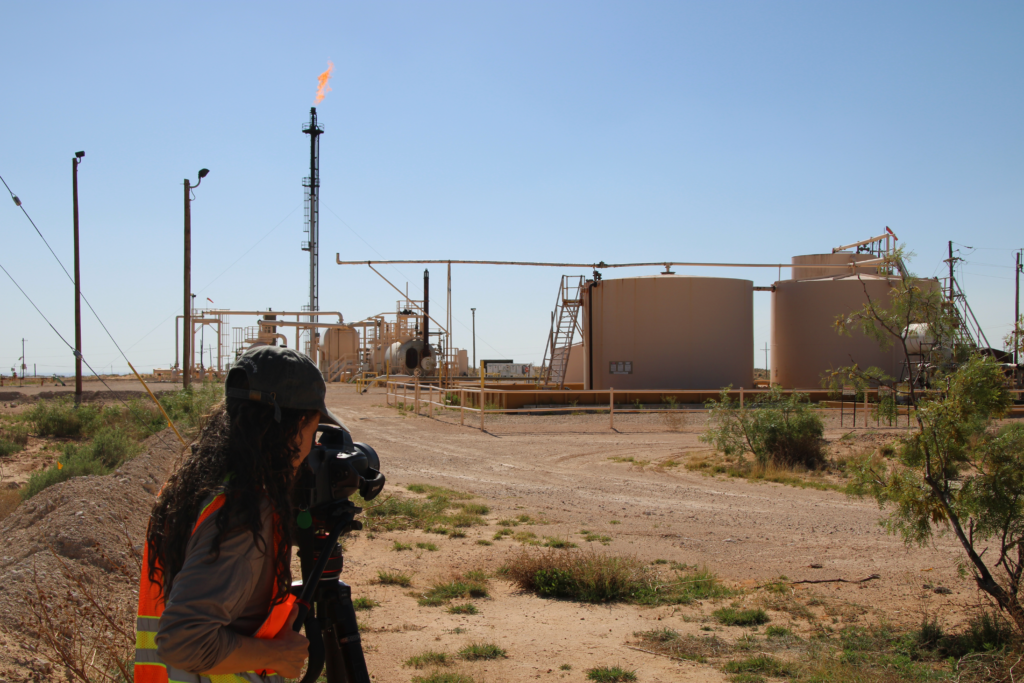
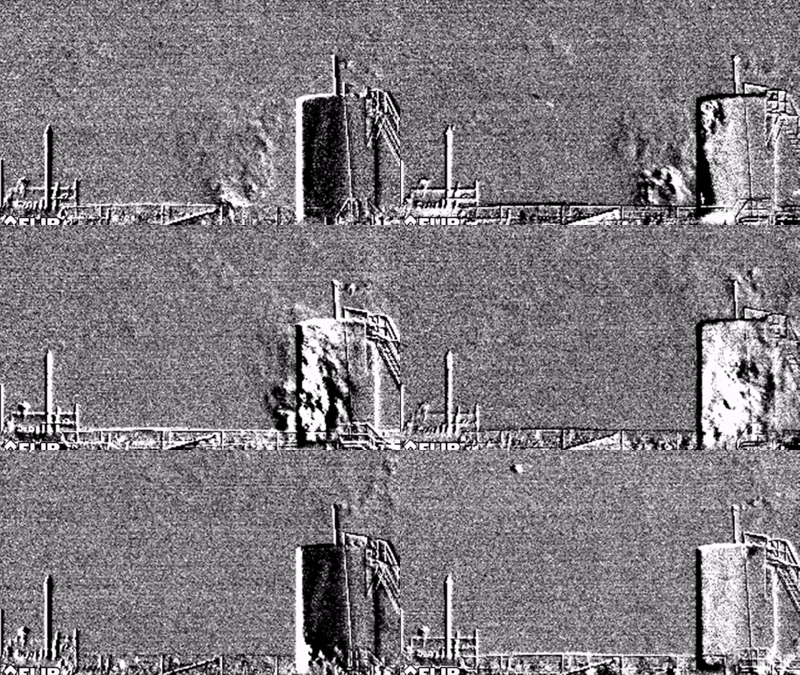
Earthworks was motivated to fight to change these rules by what we see firsthand in the oil and gas fields through our optical gas imaging camera.
No spreadsheet or data can make the case for a change to these rules like the video evidence we capture at well site after well site, often right next to schools, homes and communities.
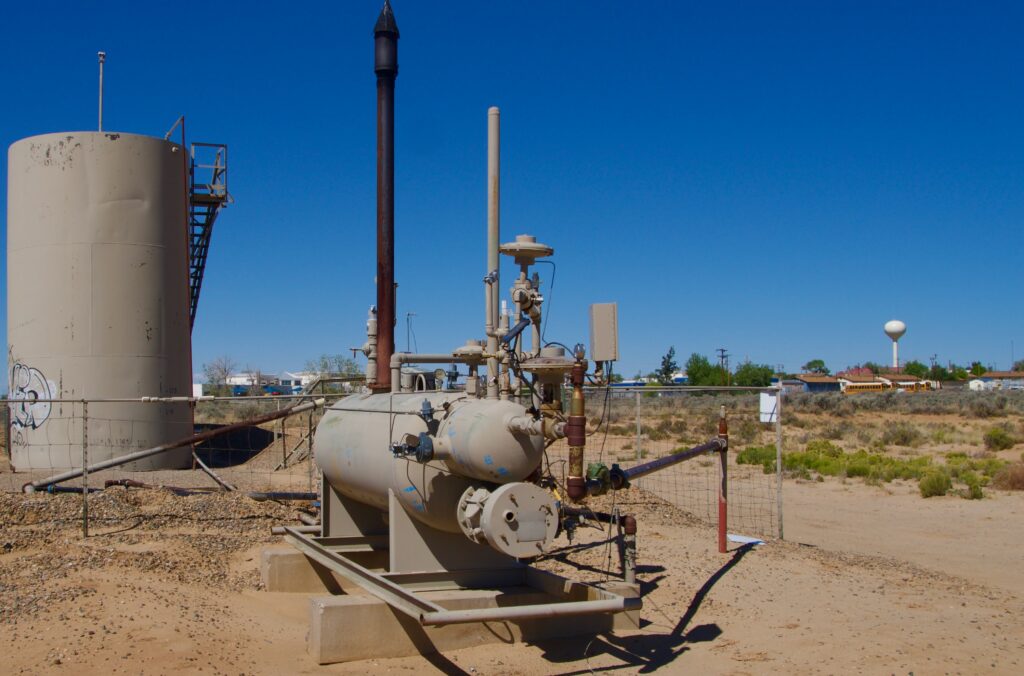
At one low-producing Hilcorp site near Counselor, Earthworks’ Indigenous Community Field Advocate has repeatedly found continuous emissions from multiple different sources: the tank vent, the sump area, and a horizontal separator. That site sits 900 feet from a K-8 school serving Navajo students.
At another low-producing Permian Resources site in Carlsbad, I found uncontrolled emissions from an improperly functioning flare a few hundred yards from an elementary school.
You can’t say the system is working when you can literally see methane and harmful gases and chemicals pouring into the sky through the optical gas imaging camera.
The hearing process drew a lot of public testimony from frontline Diné community leaders, health advocates, ranchers, and residents across the state. The polling confirms what the comment record showed: 89% of New Mexicans support requiring corporations to pay to clean up the wells they drill.
The Stakes Are Real
The Commission’s decision comes as the federal government moves in the opposite direction. The Trump administration is working to roll back environmental protections, revisit federal bonding rules set in the Biden-era, and expand drilling on public lands.
With these rules, New Mexico joins a small group of states that have actually aligned bonding requirements with real-world cleanup costs, and done so in a way that’s risk-based, not one-size-fits-all. The rules target risky behavior, not small operators.
Every company that profits from New Mexico’s land and resources should be prepared to clean up after itself.
Thank You
To the Oil Conservation Commission, the Oil Conservation Division, and the State Land Office: thank you for listening to New Mexicans and adopting rules that prioritize our water, our health, and our communities over the status quo.
To the coalition partners, the frontline voices, the public commenters, and the advocates who showed up across months of hearings: this win belongs to all of us. We’re not done, but today is a real step forward.