Record breaking high temperatures. Rampant wildfires. “Code red” air days and hurricanes. No matter where you live, it’s becoming more and more likely you have felt the direct impacts of corporate deregulation and climate change.
You might even live in an area closer to the eye of the storm—with an oil well near your child’s school or a proposed mining project in your backyard. Yet the people in power are not only turning a blind eye—they are directly pumping more funds and resources into the very source of these public health crises (the oil and gas and mining industries) and rolling back important standards that would reduce the likelihood of climate catastrophe.
Even if you feel alone, you are part of a community of supporters who all want the same thing: a safer and healthier future for us all.
See the impact Earthworks and our supporters had in 2026.
States Are Leading the Way
Even if the federal government won’t act to protect us, we are seeing some states lead the way:
New Mexico
In July, New Mexico’s Oil Conservation Commission voted to adopt the strongest standards in the country for making oil companies pay to clean up after themselves. Previously, oil and gas companies in New Mexico routinely walked away from low-producing wells without cleaning them up, leaving dangerous abandoned industrial sites and a multi-million dollar tax burden on communities. With the new strengthened rules, oil and gas companies are directly responsible for paying for well cleanup.
Colorado
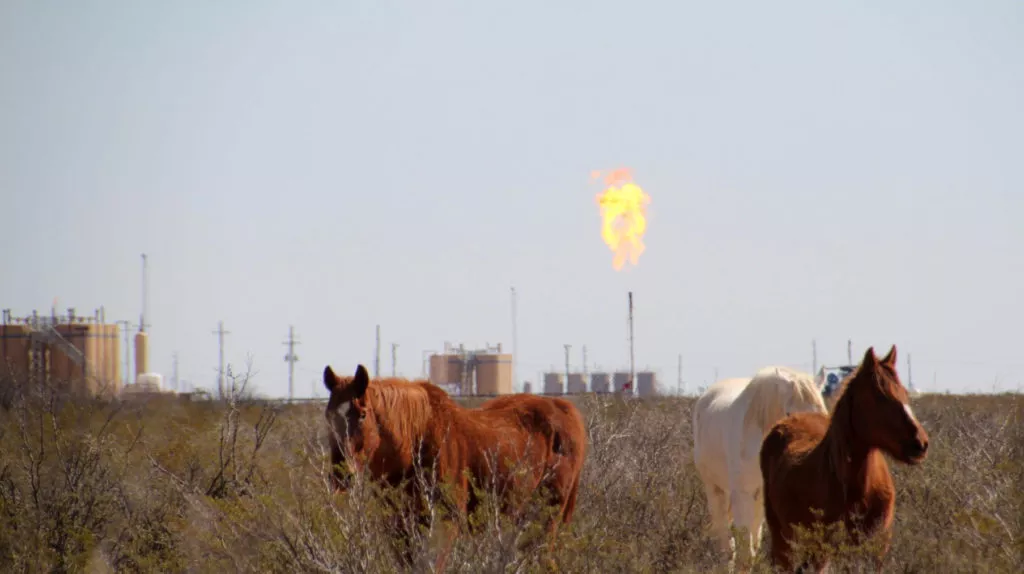
Colorado is following suit, implementing a fee increase for oil and gas polluters. The fee increase will directly fund the regulatory agency responsible for monitoring pollution and cleanup in the state.
Texas
In Texas our teams are reporting, believe it or not, that regulators are listening to our community complaints more than ever before.
False Climate Solution Defeated—Gulf Coast, Louisiana
In the 2025 Impact Report, we told you about a proposed AirProducts Blue Hydrogen and Blue Ammonia facility in Louisiana that would have had catastrophic effects on its community and surrounding ecosystems. Air Products claimed that using carbon capture technology would create a “cleaner” form of hydrogen. In reality, it was a dangerous yet clever way for Air Products to reap tax benefits and avoid accountability for their environmental damage. Thanks to your support, the project has been officially stopped.

On June 30, Air Products announced they abandoned their so-called Louisiana “Clean” Energy Project, citing “expected financial returns not meeting stringent return criteria.” But we know the truth—ever since the multi-billion-dollar project was announced more than four years ago, River Parish residents have demonstrated strong opposition because of its considerable risks.
“So what I’m really noticing in this moment, and I think a lot of people can agree with this, is that it’s not a white, Black, Democrat, Republican issue. It is everybody’s issue when it comes to CO2 buildout across the state of Louisiana.”
— Kaitlyn Joshua, Gulf Coast Campaigner
Winning in Court—Imperial Valley, California
“You can see the heartbeats and the steam. That is her breath, Mother Earth.”
These words of Kwaaymii Elder Carmen Lucas capture what is at stake in a struggle to protect the proposed Southeast Lake Cahuilla Active Volcanic Cultural District.
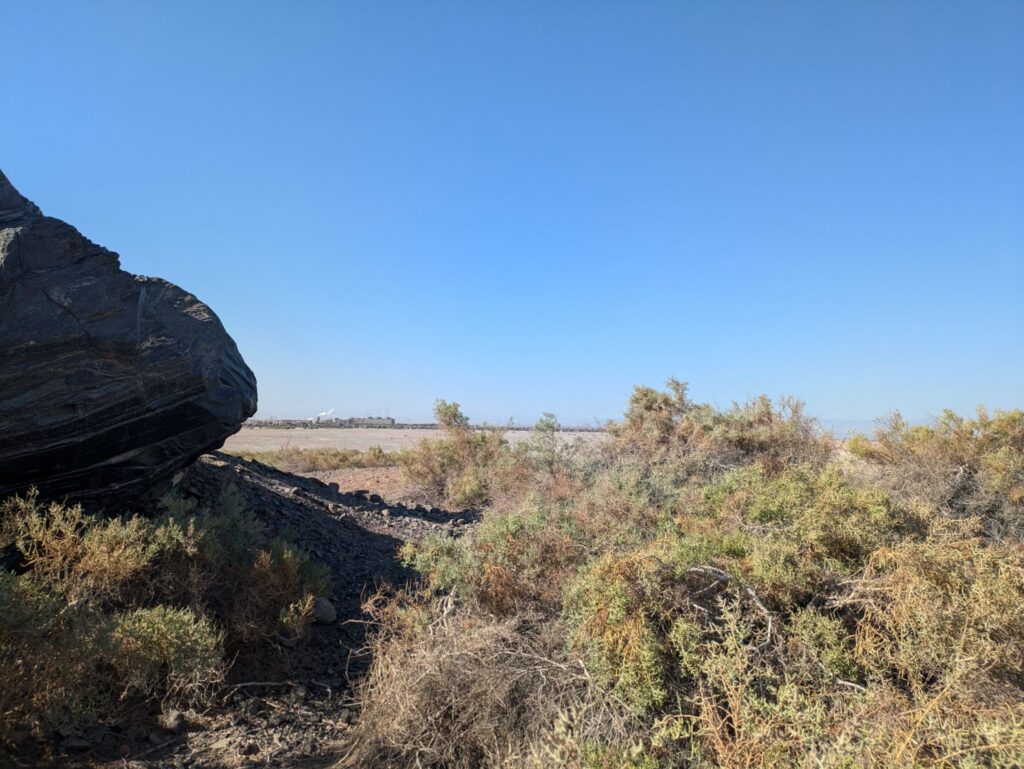
The 11,000-acre area along the southeastern shore of the Salton Sea in Southern California is religiously and culturally significant to several Indigenous groups. It is also the site of one of the world’s largest lithium deposits. Several companies have plans to mine there to meet the fast growing demand for electric car batteries. One of those companies is Controlled Thermal Resources.
In 2024, Comite Civico del Valle and Earthworks filed suit demanding that the company comply with California’s environmental laws. The lawsuit was rejected in 2025, but thanks in part to your support, we were able to continue the legal fight and appeal the court’s decision.
Now the California Court of Appeal is requiring Imperial County to revise its environmental review. This means that there is still time for residents to make their stand and have their voices heard to protect their health, environment, and sacred lands.
This decision makes it even more important for Imperial County to have a strong plan for its future. Every company has a duty to respect sacred places where it does business. Residents still have a chance to make sure that happens here”
— Jared Naimark, Western Senior Mining Manager
Protecting Sacred Land — Black Hills, South Dakota
The Pe’Sla is a sacred land in the Black Hills of South Dakota that holds deep significance for Indigenous communities and is the site of many significant spiritual and cultural rituals. That’s why when, in early 2026, mining company Pete Lien & Sons obtained a permit to begin an exploratory project that directly threatened this land, Earthworks came together with tribal governments and a coalition of environmental organizations to stand against it.
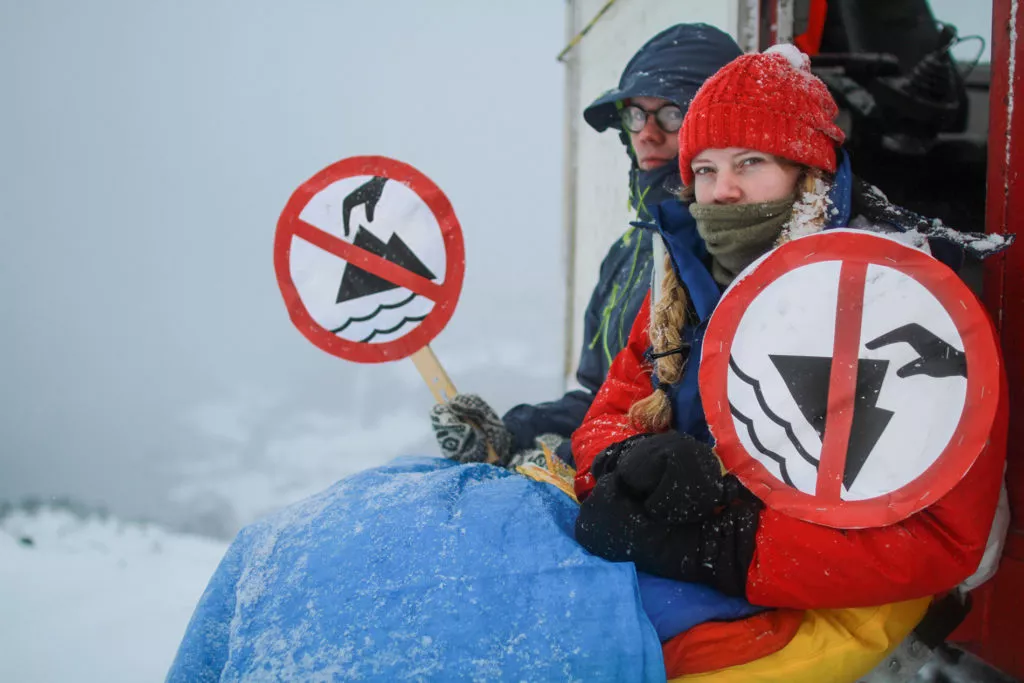
When Native Tribes gathering at Pe’Sla for May ceremonies noticed that construction had already begun, your generosity helped us spring into action and file a lawsuit with other environmental alliances and nine Great Nation Sioux Tribes, contesting the mine. In the meantime, Tribal leaders and youth also staged a courageous occupation at Pe’Sla to prevent any further mining activity.
Just two weeks after we sued, a Federal District Court ordered Pete Lien & Sons to immediately halt construction. Pe’Sla is safe for now, though we are still fighting for longterm reforms to mining laws.

The Story of Oil and Gas—Navajo Nation
Oil and gas companies have avoided accountability for their pollution and waste for decades. Your support helps us sharpen the tools that communities can use to show proof of harm.
Earthworks is launching a series of storymaps centered on oil and gas pollution on the Navajo Nation. These data-driven tools expose pollution around homes and schools and tell the story of how oil and gas came to be on the Navajo Nation, the legacy of federal leasing decisions, and the long-term risks tied to aging infrastructure and weak oversight.
We know what’s at stake—communities’ health, their sacred spaces, and their families’ futures. The storymap validates what communities already know and helps them stand up against corporations trampling on the places they call home.
Frontline organizers use these storymaps to document community health concerns and expand awareness. Along with field tours for educators and decision-makers to see pollution first-hand, these virtual tools strengthen efforts now underway by the Navajo Nation Environmental Protection Agency to reduce oil and gas pollution through tribal monitoring and enforcement.

Thank you for showing up for Chaco Canyon!
This year you had two different opportunities to make your voices heard to prevent the destruction of the Chaco Canyon region. You submitted over 15,000 comments across two different comment periods, all aimed at letting the Trump administration know one thing: keep your hands off the Chaco Canyon region.
The oil and gas exploration that threatens the Chaco region couldn’t have more dire consequences. More than 90% of the land is leased for fracking and 40,000 wells now surround Navajo homes—polluting the air they breathe and draining the water they rely on. The federal government’s plan to walking back existing restrictions on new drilling would make more people sick and cause more irreparable damage to treasured landscapes.
Thank you for raising your voice to protect this sacred land—this fight is not over yet.
Peaceful Resistance La Puya
Did you know there is an international process that actually allows corporations to sue governments for perceived interferences with their mining project? That is what happened after Guatemalan courts suspended a U.S. company’s gold mine over violation of Indigenous Peoples’ rights.
For more than seven years, the Guatemalan government was locked in an arbitration with Kappes, Cassiday and Associates (KCA). This process puts corporate interests ahead of community rights and environmental protection. That’s why we’re taking it as a sign of hope that when the arbitration panel delivered their decision on KCA’s claim, they sided against the company, thanks in large part to information provided by the communities and Indigenous People organized as “Peaceful Resistance La Puya.”
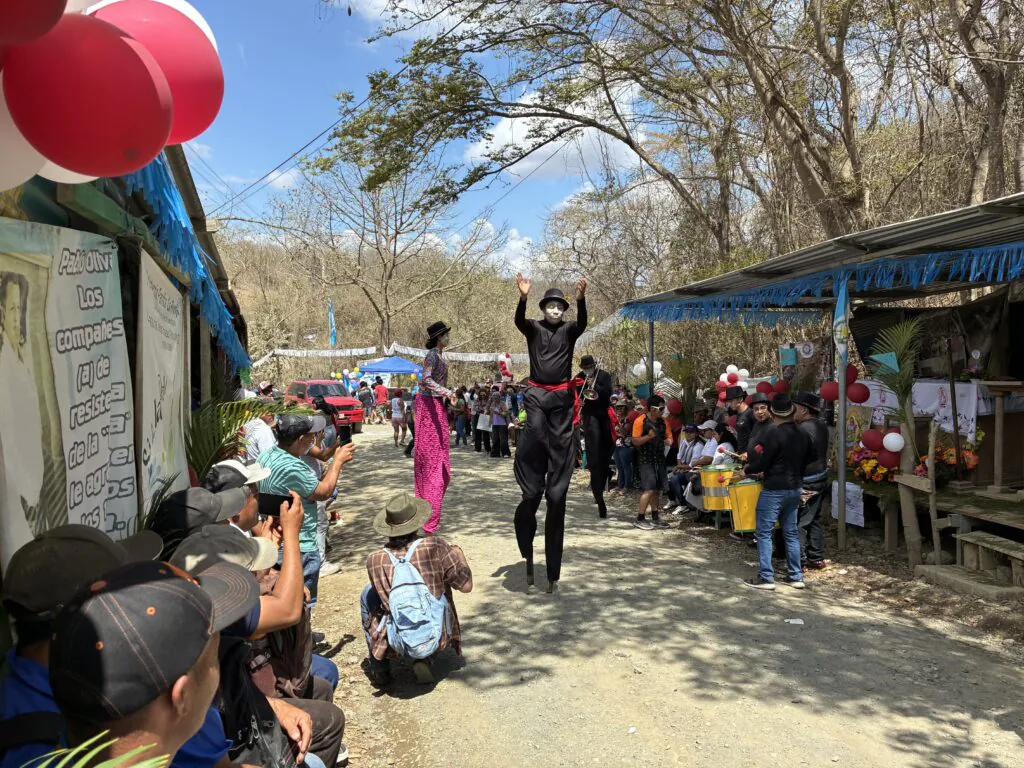
For more than a decade, La Puya has defended land and water, maintaining an encampment outside the mine site. This commitment, along with Earthworks’ analysis and advocacy support, has been critical to securing wins in the face of corporate interests.
This victory signals that evidence provided by Indigenous communities matters.
Notable Reports from 2026


Your Support Makes Our Work Possible
Earthworks helps families on the front lines of mining, drilling, and fracking. We use sound science to expose health, environmental, economic, social, and cultural impacts of mining and energy extraction. To support our efforts, please consider a tax-deductible donation today that will go toward our work reforming government policies, improving corporate practices, influencing investment decisions, and encouraging responsible materials sourcing and consumption.