
|
Getting your Trinity Audio player ready...
|
By Paulina Personius and Anto Sangadji
As eyes turn to Brazil, host of this year’s COP30 climate conference, Brazilian mining giant Vale is trying to position itself as a hero in the fight to transition off of fossil fuels. The company points to its operations in places like Indonesia, now the global leader in nickel production, a mineral used in electric vehicle batteries and other renewable energy infrastructure.
But a close look at Vale’s Indonesia track record shows a long history of land disputes, displacement of Indigenous Peoples, and pollution problems. Since 2011, the company has been operating a sprawling network of nickel mining and processing facilities and hydroelectric dams that span multiple provinces on the Indonesian island of Sulawesi. For years, communities near these facilities have been asking Vale for answers. They’re still waiting.
We can’t let Vale use COP to greenwash its impact on people and the environment.
Land Disputes, Displacement, and Pollution
There are a number of ongoing conflicts over land ownership between communities and Vale. For example, in March 2023, dozens of armed police officers arrived at the Old Camp in Sorowako, which is occupied by the Nuha Indigenous People. The Nuha claim to have a legal right to the land, however Vale reported the residents for illegal land use. The police escorted Vale employees as they erected signs prohibiting entry to the Old Camp area, and visited residents’ homes to demand they vacate the land. There have been similar disputes in villages of the Bahudopi and East Bungku districts.
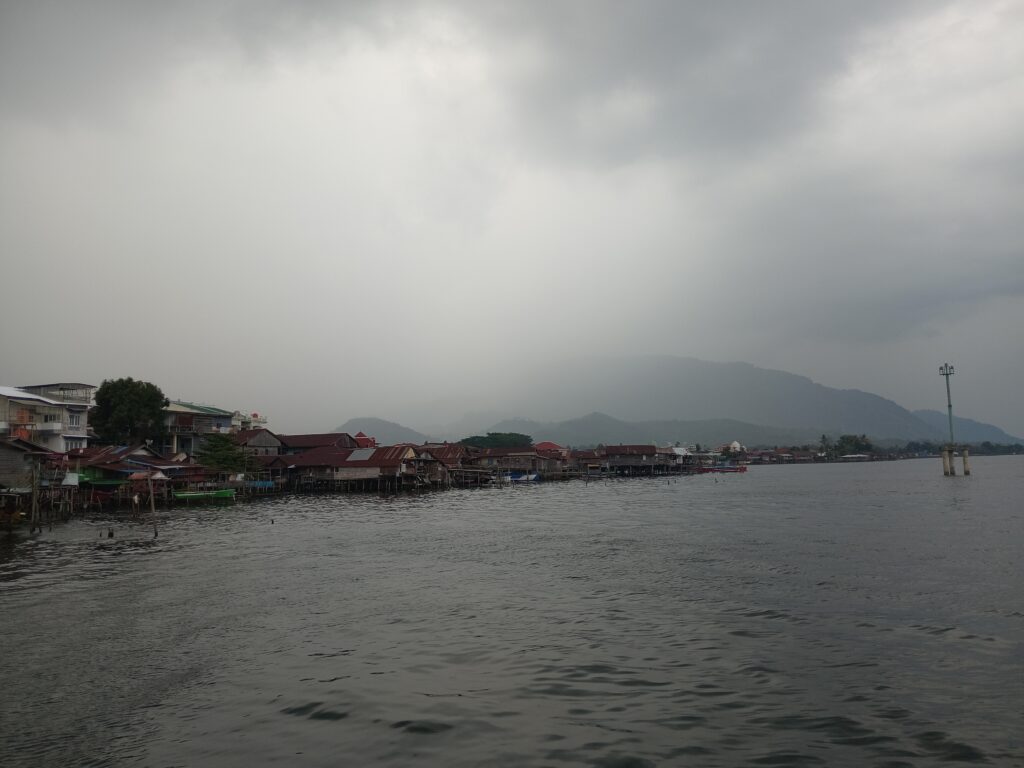
On July 24, 2023, 1,000 residents of the village of Loeha Raya protested Vale’s exploration activities, citing concerns that Vale’s expansion into their territory will harm their pepper farms. Mining activity in the area had already raised concerns about the contamination of local springs and associated crop losses. In Morowali Regency, located in the neighboring province of Central Sulawesi, the Mining Circle People’s Struggle Front (FPRLT) has also organized protests against the company, citing the decline in fishermen’s catches due to nickel ore loading and unloading activities.
The list goes on. An oil pipeline belonging to Vale leaked in East Luwu on August 23, 2025. The leak led to crop failure and land contamination on approximately 30 hectares of rice fields in Asuli Village, Towuti District. Surrounding communities have expressed concern as the water has already been contaminated, and their fields could also be at risk of failed harvests.
Aggressive Expansion and Flood Risk
The company shows no sign of slowing down. Vale is currently constructing a High Pressure Acid Leaching (HPAL) facility to extract nickel from ore at the Indonesia Pomalaa Industrial Park (IPIP). It is estimated that for every ton of nickel, HPAL processing makes 150-200 tons of highly corrosive and toxic tailings. Land clearing for the IPIP in 2023 caused serious flooding (affecting 500 hectares of rice paddy fields in Lamedai village) and contaminated the Oko-oko River, the main local water supply, with toxic pollutants, particularly hexavalent chromium.
What True Leadership Looks Like
If Vale is serious about being a good corporate citizen, the company must respect human rights and the environment and work with affected communities to address the problems stemming from its operations. It must uphold Indigenous Peoples’ rights, including the right to Free, Prior, and Informed Consent. It must adopt and implement social and environmental safeguards, and establish effective and accessible grievance mechanisms for when things go wrong. Vale must ensure security forces are not involved in land disputes within its concessions and denounce the criminalization of local communities or farmers. And finally, the company must embrace transparency. That means support for third-party efforts to independently monitor the environmental and social impacts of nickel mining and smelting operations.
Your Support Makes Our Work Possible
Earthworks helps families on the front lines of mining, drilling, and fracking. We use sound science to expose health, environmental, economic, social, and cultural impacts of mining and energy extraction. To support our efforts, please consider a tax-deductible donation today that will go toward our work reforming government policies, improving corporate practices, influencing investment decisions, and encouraging responsible materials sourcing and consumption.