
We did it!
After decades of stagnant fees and a growing oil and gas industry, New Mexico’s Environmental Improvement Board has approved updated air quality permit fees, and it’s a big deal for the communities living with the consequences of underfunded oversight.
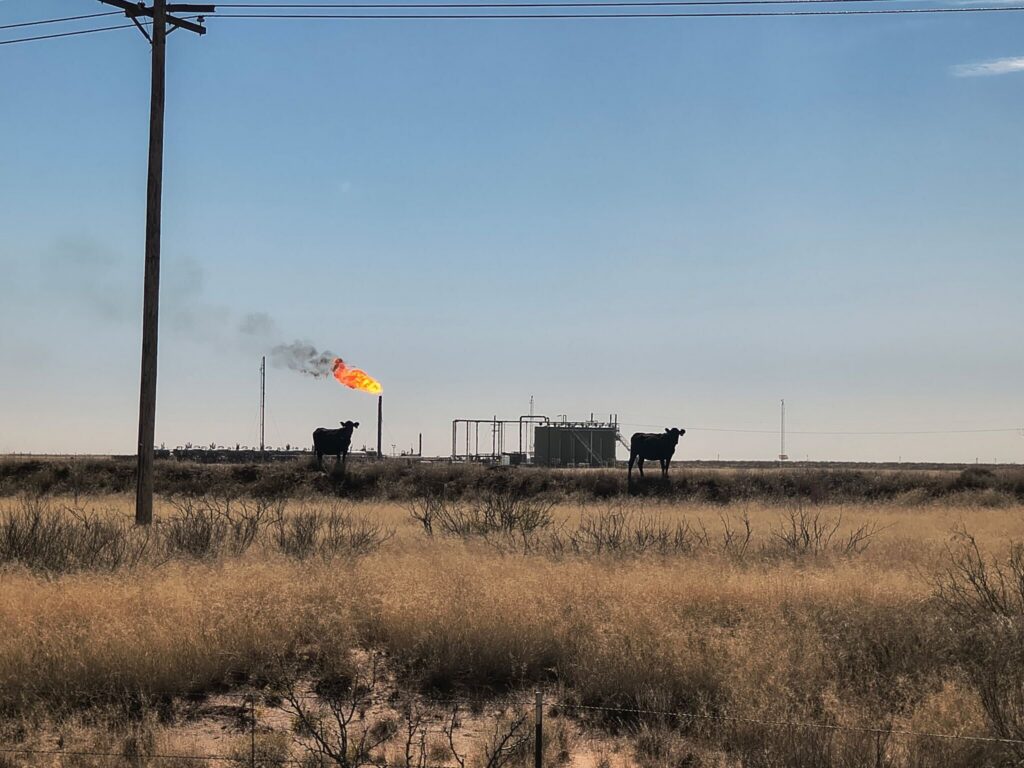
For years, Earthworks and our partners have been documenting what happens when regulators lack the funding and staff to oversee a rapidly expanding industry. We’ve filmed uncontrolled pollution releases with optical gas imaging cameras. We’ve sat with families in the Permian and San Juan Basins who can smell oil and gas operations from their front porches. We’ve filed complaints that took too long to get investigated, not because the regulators don’t care, but because they didn’t have the staff or resources.
This may not have been the flashiest win, but it is one that decides whether rules on paper protect anyone in real life.
What happened and why it matters
New Mexico’s Environmental Improvement Board voted to approve updated air quality permit fees for both operating emissions and construction permits. This is the first substantial update since 2009. Meanwhile, the oil and gas industry exploded. General construction permits have increased by roughly 2,100 percent over the past 13 years.
The Air Quality Bureau was heading towards a funding cliff: the Title V Special Revenue Fund was projected to run out by FY 2028. Without this update, the state was looking at fewer inspectors, longer permit backlogs, less monitoring, and slower enforcement when violations happen.
This is an environmental justice win. Underfunded oversight is a health problem and it lands the hardest on frontline communities.
An Associated Press analysis estimated that roughly 29,500 students across 74 New Mexico schools sit within potential exposure zones of oil and gas emissions. Researchers have found benzene levels near some schools spiking during class hours to nearly double the thresholds linked to chronic health effects.
Counties like Lea and Eddy, home to thousands of active wells, compressor stations, and processing facilities, each had a single state ozone monitor. One monitor for an entire county spanning thousands of square miles. Roughly 70 percent of the new positions this funding is projected to create are in compliance and enforcement.
This win didn’t happen in isolation. Earthworks joined a broad coalition of organizations, from the Native American Voters Alliance and TEWA Women United, to the Environmental Defense Fund, Sierra Club Rio Grande Chapter, San Juan Citizens Alliance, and many more, in submitting a joint comment letter urging the Board to approve the fee updates. We submitted technical testimony, helped advocates and every day New Mexicans participate and make our voices heard.
New Mexico legislators also showed up. More than two dozen other legislators submitted a letter to the Board. Their message was that every New Mexican deserves to breathe clean air, and the state needs adequate tools to actually deliver that.
Hundreds of New Mexico residents submitted their own voices, signing on to the community petition and showing up in person and virtually during the public hearings in Santa Fe. That kind of broad public engagement matters to a regulatory board.
Thank you for your support in making this happen!