
|
Getting your Trinity Audio player ready...
|
by Jan Morrill, Earthworks, Member of the SIRGE Coalition & Edson Krenak, Cultural Survival, Member of the SIRGE Coalition
Guarani Indigenous communities in Southern Brazil continue to call on the German car manufacturer BMW to uphold their rights and fulfill commitments made over a decade ago.
An Auto Factory Built on Ancestral Land
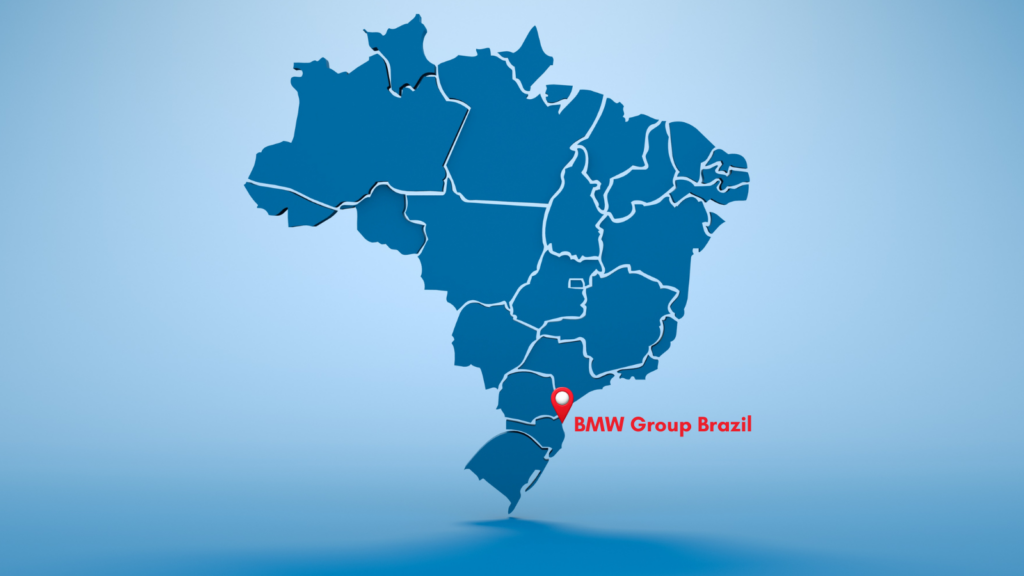
In 2013, BMW began construction of a vehicle assembly plant located in Araquari, Santa Catarina, Brazil, which impacted the Indigenous Territories of the Piraí, Pindoty and Tarumã of the Guarani People. The plant was completed in 2015 and sits on 1.5 square kilometres of their ancestral land. In its first five years of operations, BMW claims the factory produced 60 thousand vehicles. As the BMW assembly plant was built and began operation, Guarani communities denounced the encroachment on their lands, the environmental impacts of industrial production, and the growth of secondary infrastructure brought to the area by the factory.
The Guarani communities say the factory was built without their Free, Prior and Informed Consent (FPIC), as required by Brazilian and International law. BMW did not carry out the process for the Componente Indígena do Plano Básico Ambiental (CI-PBA) [The Indigenous Component of the Basic Environmental Plan] to demonstrate fulfilment of FPIC requirements under Brazilian legislation until 2019, after the factory was already in operation. In Brazil, the CI-BPA identifies, mitigates and compensates for the impacts of a project on Indigenous peoples. It also establishes a set of planned activities to be carried out by the company. A final and approved CI-PBA was released by FUNAI (The National Indian Foundation), the Brazilian national agency charged with policies related to Indigenous Peoples, in 2022. Even though the company had not met federal FPIC requirements, BMW received its pre-licensing for installation in 2013 from the local Santa Catarina Environmental Institute (IMA).
Incomplete Commitments in the Official Process
During a visit to the area in November of 2025, Guarani leaders discussed the CI-PBA with members of the Securing Indigenous Peoples’ Rights in the Green Economy (SIRGE) Coalition and issues related to its implementation. They provided extensive documentation produced by FUNAI and BMW.
There has been a profound absence of FUNAI or any other federal agencies throughout the process. Indigenous leaders who spoke to SIRGE members from Earthworks and Cultural Survival in November, 2025 described the relationship with the local BMW operation as strained, distrustful, and sometimes disrespectful, marked by weak communication, inconsistent follow-through, and an apparent unwillingness to treat engagement with community authority as more than a procedural requirement.
While visiting the Guarani communities, members of SIRGE observed how some of the activities in the CI-PBA remain incomplete or are inadequate. The CI-PBA included the construction of 46 new single-family houses for members of the Guarani communities. However, the housing projects raise serious concerns about quality, safety, and accountability. According to Guarani leaders, the housing construction project ran out of money before finishing construction on all of the houses committed by the CI-PBA. For example, as the project has dragged on for years, in one community only 6 of the 16 promised houses have actually been constructed.
In November 2025 Guarani leaders showed representatives of SIRGE around the housing project that is still in process. They flagged concerns about the quality and safety of the craftsmanship, including things that had already broken even though the houses were still under construction and uninhabited. Many houses remain incomplete posing a potential hazard with the construction debris in the community’s backyard. The housing project suggests not only technical negligence but also a deeper governance failure: interventions that should strengthen territorial well-being instead introduce new risks and maintenance burdens for the communities.
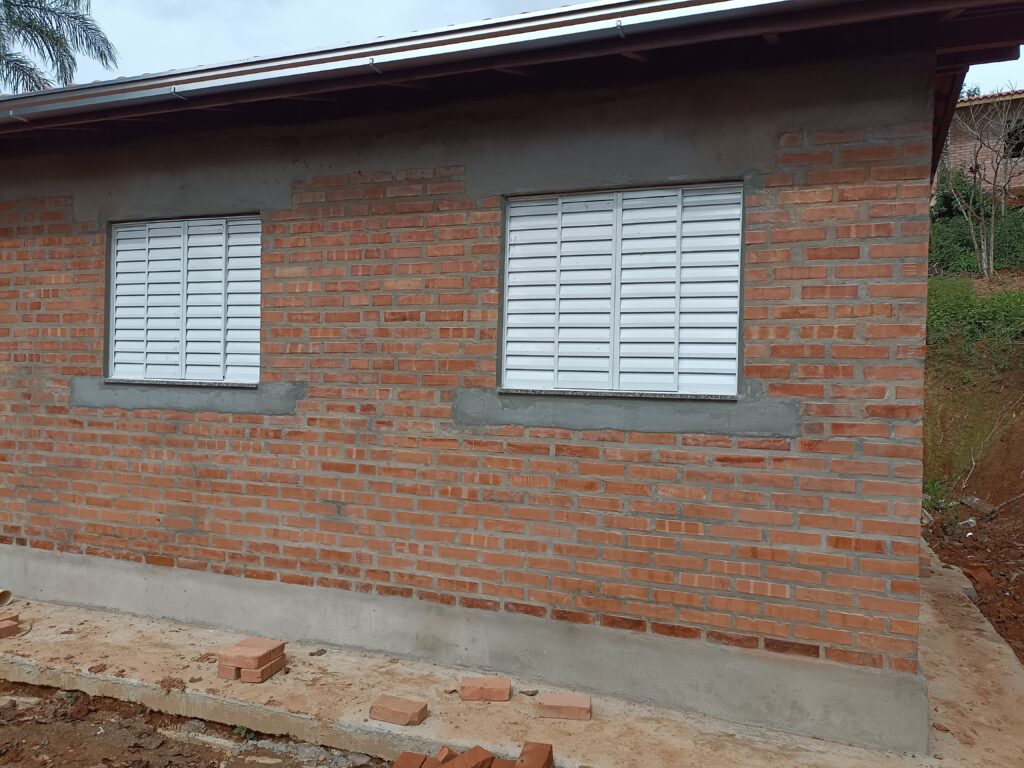
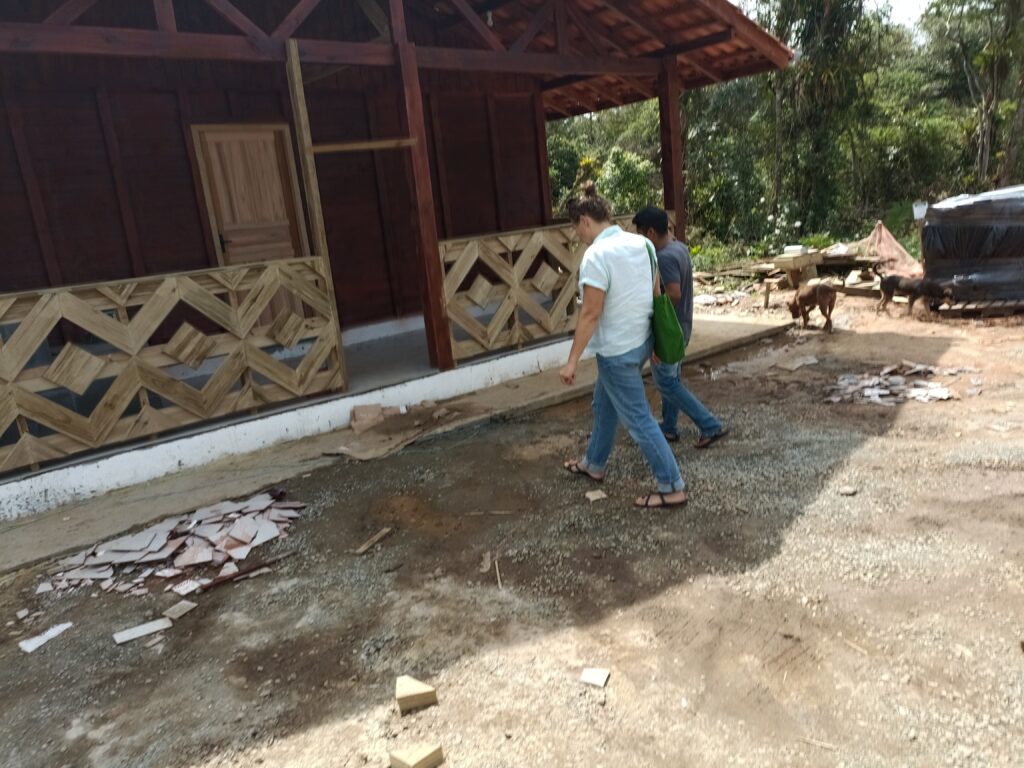
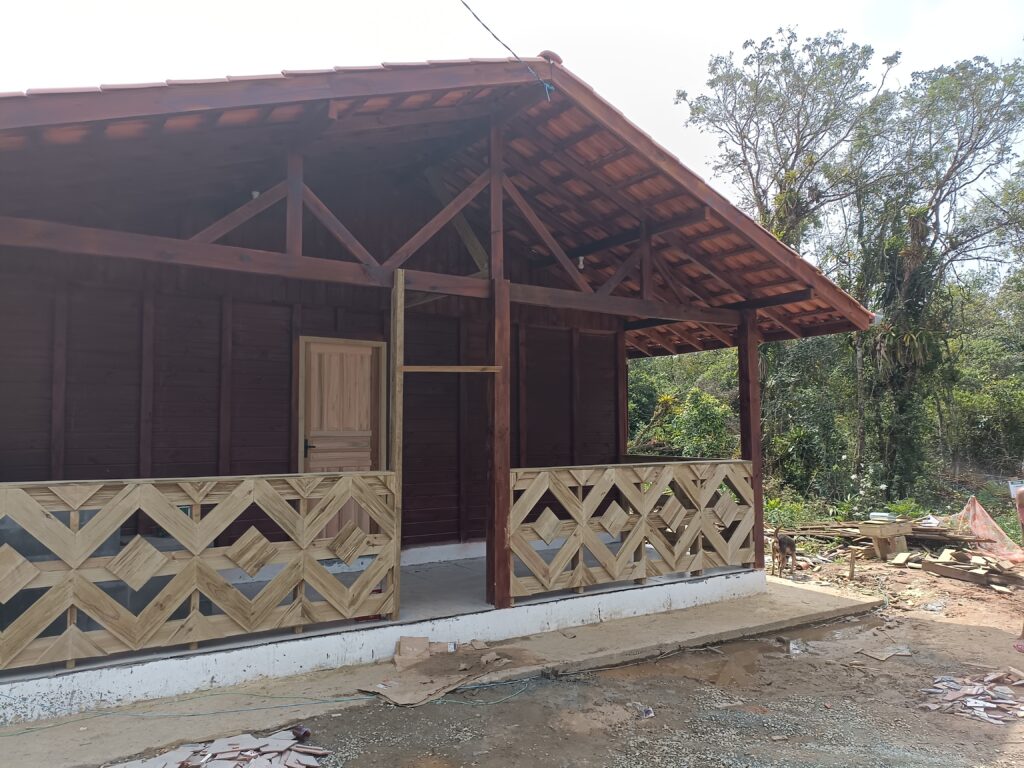
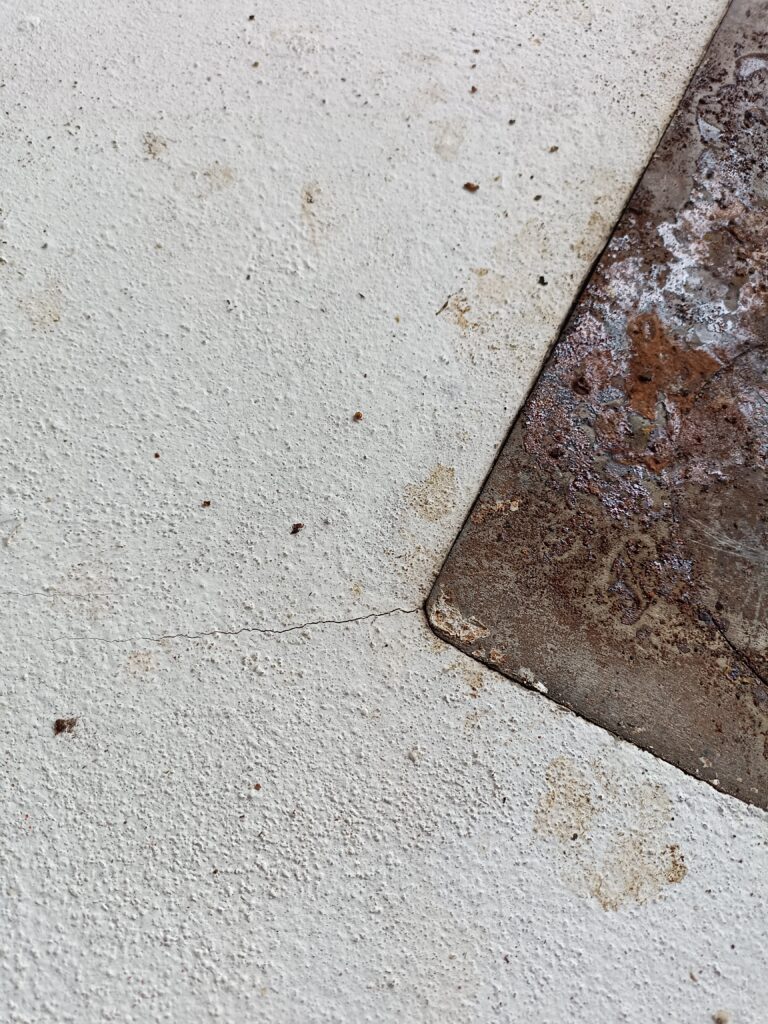
Images courtesy of Cultural Survival
Power and Water Outages
The Guarani communities link disruptions like loss of access to clean water and power outages to the BMW plant. In November of 2025 leaders explained that two communities had lost their access to water, which then had to be delivered by trucks. In 2026, intense storms, tied to climate change, took out the already precarious electric and internet grid in some of the communities, which has been partially restored.
A Path Towards Respect and Self-Determination
While the CI-PBA describes a number of activities, the most important outcome is missing: how will this agreement recognize the self-determination of the Guarani people while adequately mitigating the impacts of the factory on their lands and lives? Real, substantive improvements would include risk reduction, improvement in territorial security, effective oversight, community autonomy, cultural protection, and conflict prevention.
The implementation of the CI-PBA, as experienced on the ground, appears to reproduce a familiar pattern of formal compliance without substantive delivery and little community engagement in what really matters. It also follows the general pattern where the industry takes Indigenous lands without respecting Indigenous Peoples rights. In this context, the CI-PBA risks functioning less as a rights-based safeguard and more as a reputational instrument, where visible “deliverables” substitute for durable commitments, meaningful consent, and a respectful, long-term partnership grounded in Indigenous self-determination.
Disappointingly, this is part of a broader trend. In March, the Lead the Charge Coalition released its annual leaderboard report scoring automakers on their corporate commitments. The findings showed that while there is minimal improvement from year to year in respect for Indigenous Peoples’ Rights, achievement across the industry remains unacceptably low, including for BMW. None of the automakers analyzed met criteria for grievance mechanisms for potentially affected rightsholders. The case of the Guarani people in Brazil is a concrete example of how agreements between companies and communities need transparency, enforcement, and accountability if they’re going to work.
After over a decade of automobile production, the Comissão Guarani Yvyrupa is calling on BMW to honor its commitments to the impacted Indigenous communities. Today, they demand more than mere compliance with BMW’s previous commitments. They insist on a meaningful FPIC process, adequate compensation for the disruptions and traumas they have endured, and transparent and clear channels for communication directly with BMW’s head office. They also call on the company to address issues related to water security and a stable water supply, and ensure adequate and safe housing.
References
ASTEKA. (2022) “Plano Operativo para Execução dos Programas do CI-PBA da BMW Do Brasil.”
Communications between community leaders and SIRGE representatives. (Feb. 2026) WhatPhone call.
Interviews conducted during site visits by Cultural Survival and Earthworks. (November 1, 2025)
Videos shared by community members in 2026.