
|
Getting your Trinity Audio player ready...
|
Protect the Southeast Lake Cahuilla Cultural District
blog by Maya Grace Hausman
“I know that the Earth is alive, and she should not continue to be abused … I am hopeful that this society is ready to wake up.” Carmen Lucas, Kwaaymii Elder
What is the Southeast Lake Cahuilla Active Volcanic Cultural District?
The proposed Southeast Lake Cahuilla Active Volcanic Cultural District is a 11,162-acre landscape located along the southeastern shore of the Salton Sea in Southern California. It has religious and cultural significance to the Kwaaymii, Kamia, Kumeyaay, Cahuilla, and Quechan Peoples.
The unique desert landscape there was formed by a group of active volcanoes. Boiling mud pots bubble, geothermal steam rises into the air, and the Salton Sea occupies part of what was once Lake Cahuilla, California’s largest lake that ebbed and flowed in the desert. The valley floor is below sea level, and the mountains rise more than 5,000 feet around it. Tribal elders describe the mudpots as the heartbeat of Mother Earth and the rising steam as her breath.
This important landscape is tied to the Creation stories of a number of California Indian tribes, such as the legend of the Great Snake, and holds religious importance. The region’s resources were and still are used for obsidian tools, clay sources, medicinal plants, and mineral paints. The region also encompasses land that Tribes have used to teach and to pass down histories, identities, and traditional knowledge to their children since time immemorial.
“You can see the heartbeats and the steam. That is her breath, Mother Earth.” Carmen Lucas , Kwaaymii Elder
These lands are currently under threat from industrial development fast-tracked by the Lithium Valley Specific Plan. The plan would allow geothermal powerplants, lithium extraction, and data centers to be built next to these culturally important sites without environmental study.
State experts have warned that these projects will cause “significant and unavoidable” harm to the tribes’ resources. Sacred views will be impacted. Huge industrial buildings and cooling towers may block views of the mountains and night sky, which are essential for tribal ceremonies. Furthermore, the “heartbeat” may stop beating, as heavy drilling could alter the underground pressure and potentially cease the bubbling of the mudpots.
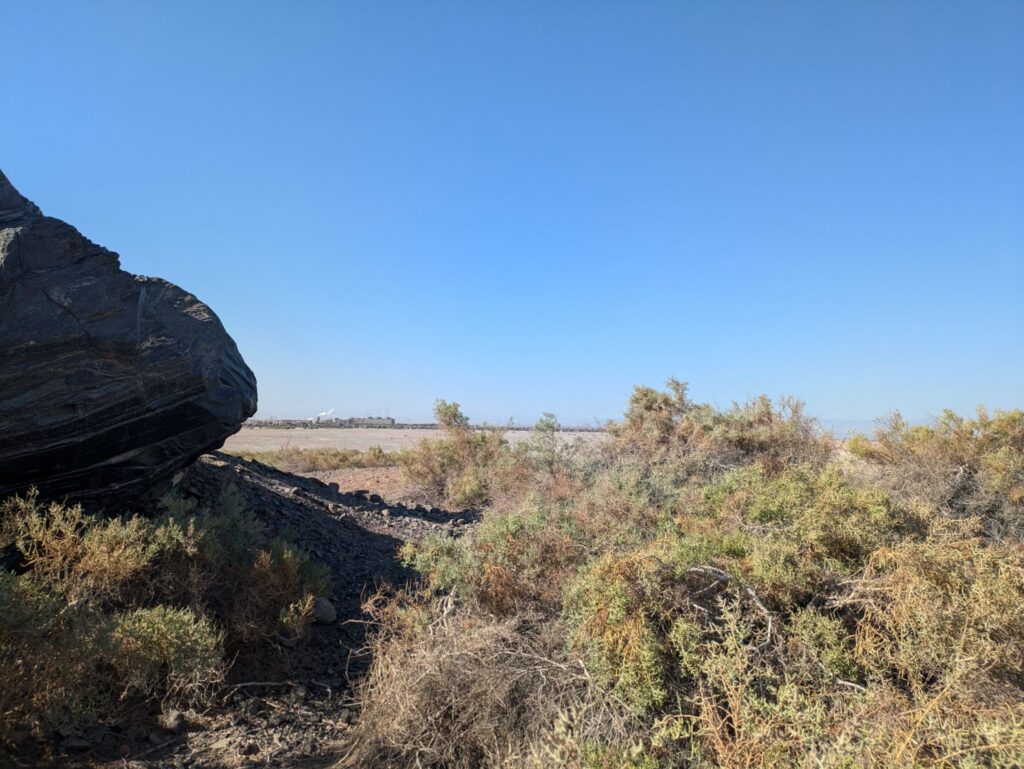
On top of this, “Lithium Valley” may have severe environmental impacts that Imperial County fails to fully address in their Programmatic Environmental Impact Report, such as further impairment to air quality and overuse of limited water.
Listing on the National Register would provide some protection for these sacred sites. Every future project in the district would have to confront its impacts on the landscape honestly, in public, under the law.
Why the National Register of Historic Places?
The National Register of Historic Places was established in 1966 under the National Historic Preservation Act and is administered by the National Park Service. It is the official registry of historic places considered worthy of preservation by the United States government. Listing carries legal weight. Any project that needs federal permits or funding must go through a formal review of its impacts on a listed site.
In California, a place listed on the National Register is automatically added to the California Register of Historical Resources. Under state environmental law, that means agencies must treat harm to the district as significant and take real steps to avoid or reduce it.
Often, tribal historic sites emphasize natural features with sacred and cultural connections, such as archaeological sites or natural landscapes. Elements of these landscapes are “Tribal Cultural Resources.” California protects these under the California Environmental Quality Act (or CEQA). California law requires agencies to consult with local tribes early in any land development process. The aim is to avoid or lessen any impacts to tribal heritage resources.
The ultimate goal of any site on the National Register is “stewardship of place,” or preserving and respecting these special environments for both current and future generations.
What comes next
Gaining state and federal protection for these irreplaceable sites is urgent. Here are the next steps:
- Put the district on the agenda: we are calling on State Historic Preservation Officer Julianne Polanco to add the Southeast Lake Cahuilla Active Volcanic Cultural District nomination to the November meeting of the State Historical Resources Commission, along with positive staff recommendation.
- Vote for eligibility: When the Commission meets, they must vote to recommend this place as eligible for the National Register of Historic Places. This vote conveys that the landscape is a vital part of American and tribal history.
- Move the nomination to the national level without delay: Once the state board approves the nomination, it should be sent to the National Park Service.
- The National Park Service will conduct a federal review of the nomination, coming out with a final decision on the listing within 45 days.
Take Action: Defend the Heartbeat of Mother Earth
This land does not exist simply as a means of extracting resources – nor does any land, for that matter. Instead, it contains an important, living history for the Kumeyaay, Kwaaymii, Kamia, Cahuilla, and Quechan people. Right now, this landscape is under threat from industrial development that could silence its “heartbeat” and block sacred views. While renewable energy is something to strive for, it cannot come at the expense of sacred land, and of the people who care for it.
You can help ensure these lands are protected. Sign your name today to tell state and federal decision-makers that you support the Southeast Lake Cahuilla Active Volcanic Cultural District.
Take action now to protect this district, the natural landscape, and its people.