

Program Highlights
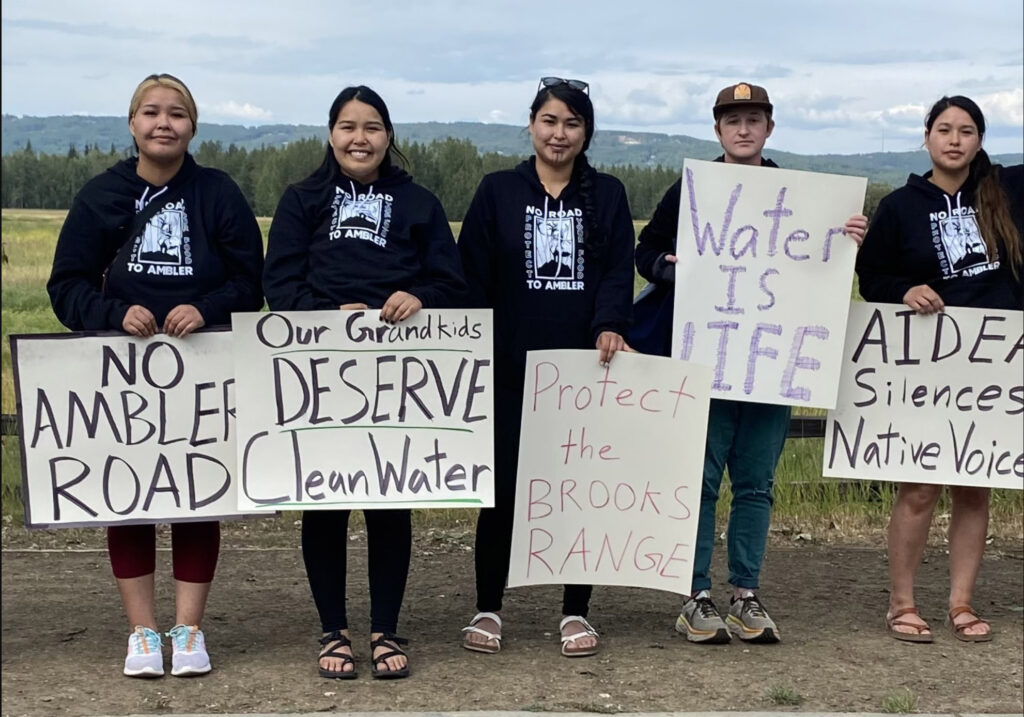
Stopping Ambler Road
Earthworks stood with Alaskan Tribes and communities to stop the proposed 211-mile Ambler Road, which threatened caribou, salmon, clean water, and local livelihoods near the Gates of the Arctic National Park and Preserve.
In April, the Biden administration rejected the permit.
Shaping the Clean Energy Transition
Earthworks also helped shape guidance from the UN Secretary-General’s Panel on Critical Energy Transition Minerals. With partners, we advanced two principles reflected in the final recommendations: the clean energy transition must not justify harm across the mineral supply chain, and Indigenous Peoples’ rights—including Free, Prior, and Informed Consent—must be upheld.
In addition, Earthworks elevated solutions that move the clean energy transition beyond a “cars-only” mindset. While electric vehicles can reduce tailpipe pollution, the mining required for battery minerals can carry significant environmental and community impacts if done irresponsibly.
Earthworks highlighted why a truly clean transportation future must address the full lifecycle of vehicle production—not just emissions at the point of use.
Through our report, Earthworks showed that practical, proven strategies already exist to reduce the harms associated with electric vehicle production:
- Scaling battery reuse and recycling
- Promoting smaller vehicles
- Investing in public transit
The path forward is clear—we have the tools and technology needed; what’s required now is the will to implement them.
Expanding the Protective Buffer between Oil and Gas and Homes, Schools, Water Sources, and Streams

The Protective Buffer Coalition advanced its campaign to protect public health in Pennsylvania. After extensive delays, the Commonwealth’s Environmental Quality Board voted in December to accept a rulemaking petition to expand protective buffer distances between oil and gas development and homes, schools, water sources, and streams.
The Pennsylvania Department of Environmental Protection (PADEP) will now review the petition and the supporting health studies and recommend to the EQB whether to advance or reject the proposal.
Impact Stories
Using Imaging to Show Methane Pollution in Columbia
Earthworks and the Environmental Investigation Agency (EIA) used optical gas imaging to investigate methane pollution in a major oil and gas region of Colombia.
The findings informed Crude Lies and a BBC documentary, raising concerns that Ecopetrol’s unaddressed methane emissions could jeopardize Colombia’s climate leadership as the country prepares to host the first Global Conference on Fossil Fuel Phase-Out in April 2026.
Pausing New LNG Export Terminal Applications
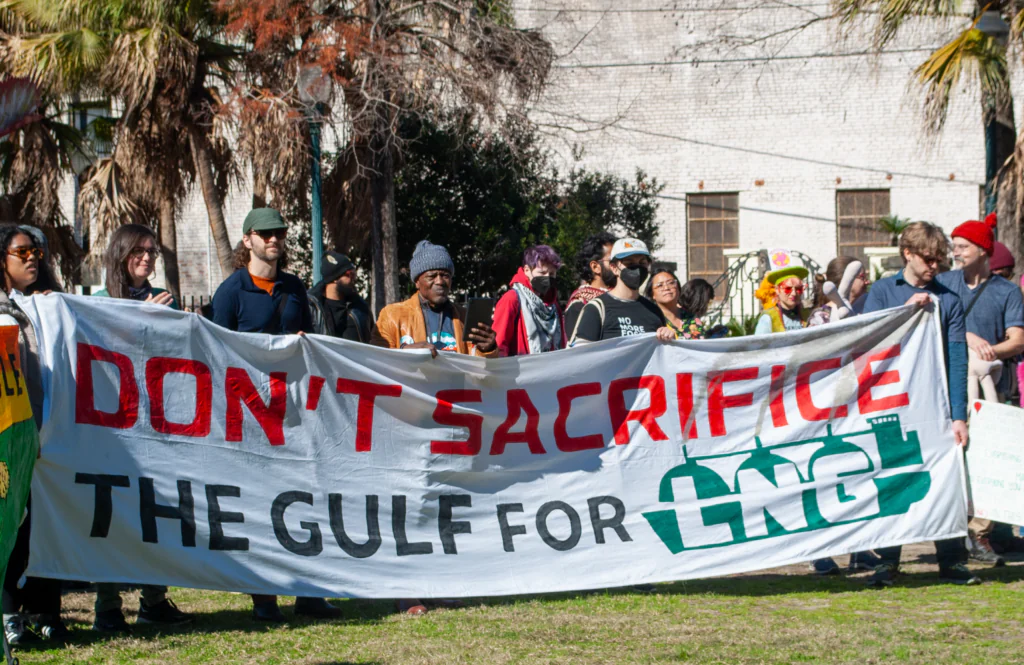
Frontline leaders from the Gulf Coast and the Permian Basin are celebrating a major victory after the Department of Energy announced it will pause decisions on new LNG export terminal applications. The move follows years of direct actions, petition drives, and sustained pressure on federal decision-makers to fully account for impacts on climate, frontline communities, and national security—and reflects growing recognition that unchecked fossil fuel expansion threatens public health and our future.
Launching a Watchdog Resource to Stop Misinformation About Methane Pollution
Earthworks partnered with Gas Leaks to relaunch BigGasPolluters.org, a watchdog resource that counters oil and gas industry misinformation on methane pollution. At a moment when credible science and public data face increasing pressure, the site helps reporters, policymakers, and advocates verify claims and track real-world impacts. The platform includes a database of reported methane emissions, company commitments, documented leakage events, and profiles of the 100 largest oil and gas companies in the United States.
Defending Sacred Lands and Clean Water from Gold Mining
Earthworks joined the Fort Yuma Quechan Tribe and allies in celebrating the rejection of SMP Gold’s proposed Oro Cruz exploration project.
The plan would have disturbed more than 20 acres of desert habitat, built miles of roads, drilled dozens of deep holes, and consumed thousands of gallons of water daily—while irreparably damaging a sacred cultural landscape near the Colorado River. In 2025, the Tribe also signed a co-stewardship agreement with the Bureau of Land Management to protect the Quechan Ancestral Landscapes.
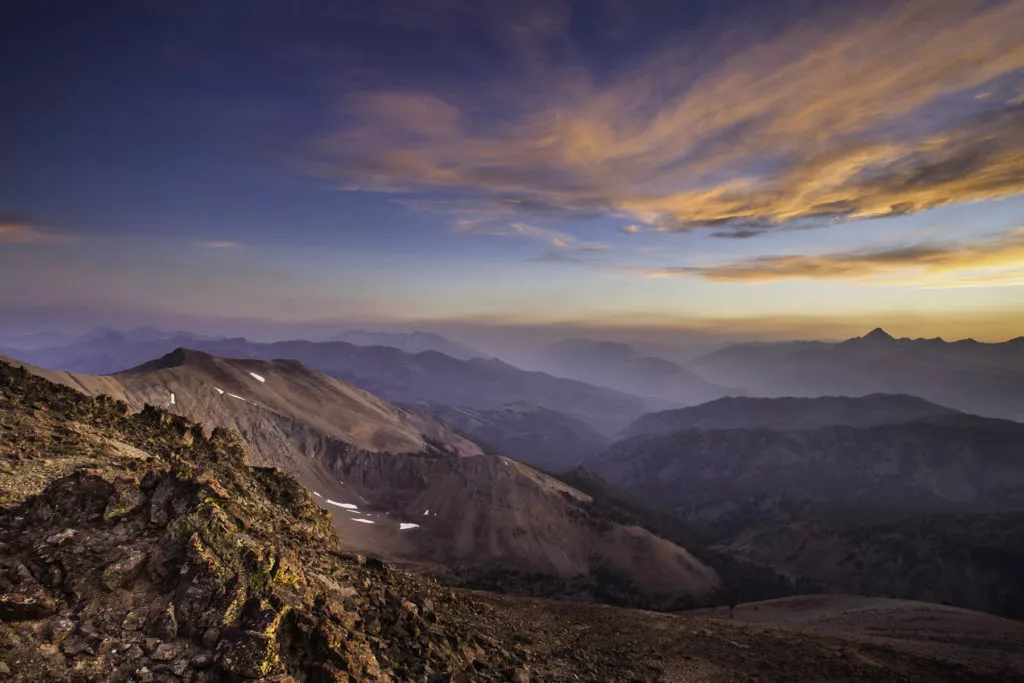
In Idaho, Earthworks and local partners challenged a state clean water permit for a proposed open-pit gold and antimony mine near the headwaters of the Salmon River.
The mine threatens clean water and public health, imperils wildlife, risks violating Indigenous treaty rights, and would permanently scar thousands of acres of public land.
Your Support Makes Our Work Possible
Earthworks is powered by people—by frontline leaders, Tribal members, workers, and families who are standing up for their land, water, and health. We work shoulder to shoulder with communities directly impacted by mining, drilling, and other harmful extraction, ensuring their voices shape the fight for change.