
Media Contact:
Claire Hermann, chermann@earthworksaction.org
The State of Oregon issued permits on Wednesday that will allow HiTech Minerals, a subsidiary of Australian-owned Jindalee Lithium Limited, to begin drilling in the southeastern part of the state.
The lithium exploration project received its federal permits late last year. The federal permits are currently being challenged in court.
States can make the difference
The United States government is rushing to approve new mining projects, often without enough time for the public to comment and without enough care for the environment or people who will be affected.
When the federal government puts corporate profits ahead of people, states have a responsibility to step up. Oregon has missed its chance to do that for this project.
Indigenous and environmental groups oppose the move
“The entirety of the McDermitt Caldera is beautiful beyond words and possibly the epitome of the high desert. It’s sad to imagine this place ruined with road scars, drilling, mining, and habitat fragmentation. Our peoples’ loss of access to our ancestral lands, spiritual places, and cultural resources impairs our birth right and freedom as a federally recognized tribal person. My people have lived in harmony with the land since time immemorial, and it’s our cultural responsibility to teach our children,” said Daranda Hinkey, Fort McDermitt Paiute Shoshone Tribal Member and member of People of Red Mountain.
“With the issuance of the state permits, irreversible damage to one of Oregon’s most important expanses of intact sagebrush steppe is imminent. Intensive mineral exploration sets a troubling precedent for the future of desert public lands and the hundreds of species that rely on these ever-shrinking landscapes,” said Anne White, conservation program manager for Oregon Natural Desert Association.
“Will the voices of the land, plants, animals, and water ever be heard in a world full of greed? It is unfortunate that another extraction project is being moved forward despite on-going litigation, community opposition and environmental destruction. It is unfortunate that one day all will reap the consequences of decisions made by a few who have no consideration for communities and have no connection to land or nature,” said Fermina Stevens, executive director of Western Shoshone Defense Project.
“The damage from mining exploration is taken much too lightly. The issuing of the Hi-Tech exploration permit with no public comment opens the door to significant damage especially with the specter of a large-scale mining operation around the corner. It is clear from the mitigation stipulations on the permit how sensitive is the northern McDermitt Caldera, but these stipulations will not prevent significant damage and affect the baseline conditions that would be used in evaluating the environmental impacts of a mining operation,” said John Hadder, executive director of Great Basin Resource Watch.
The public was not invited to comment
The people of Oregon did not have a clear chance to be heard in this process. State permits were issued without a public comment period. Even without an official period to submit comments, more than 8,000 people from Oregon and beyond sent letters to state officials.
Federal courts have not decided if the project is legal
Communities have called for better analysis of the environmental impacts of this major exploration project.
The project was approved by the federal Bureau of Land Management after an environmental assessment, which is a shortened version of the environmental review process. A lawsuit against the federal government asserts that the project should have carried out a more in-depth study, called an environmental impact statement. Depending on the outcome of the case, that analysis could still be required.
“In this time of intense deregulation, we needed Oregon to step up to protect land, water and communities. At the very least, these permits should not have been issued until federal permit challenges are completed,” said Kassandra Lisenbee, western mining justice organizer at Earthworks.
Oregon has spiritual, cultural, and ecological reasons to take care of this landscape
The McDermitt Caldera, where the project is located, is a unique place shaped by an ancient volcano. This area is already threatened by multiple mining projects, including the controversial Thacker Pass Lithium Mine. The combined impacts of projects add additional pressure to cultural resources, wildlife, water and health and safety of the local community.
The project sits on the ancestral homelands of the Fort McDermitt Paiute and Shoshone Tribe, and also holds cultural and spiritual importance to additional Oregon Tribes including the Burns Paiute Tribe, Klamath Tribes, and Confederated Tribes of Warm Springs.
The public lands where the project would be located is one of the last large areas of sagebrush habitat. They are home to threatened species including the greater sage-grouse, Lahontan cutthroat trout, pygmy rabbit, pronghorn and mule deer.
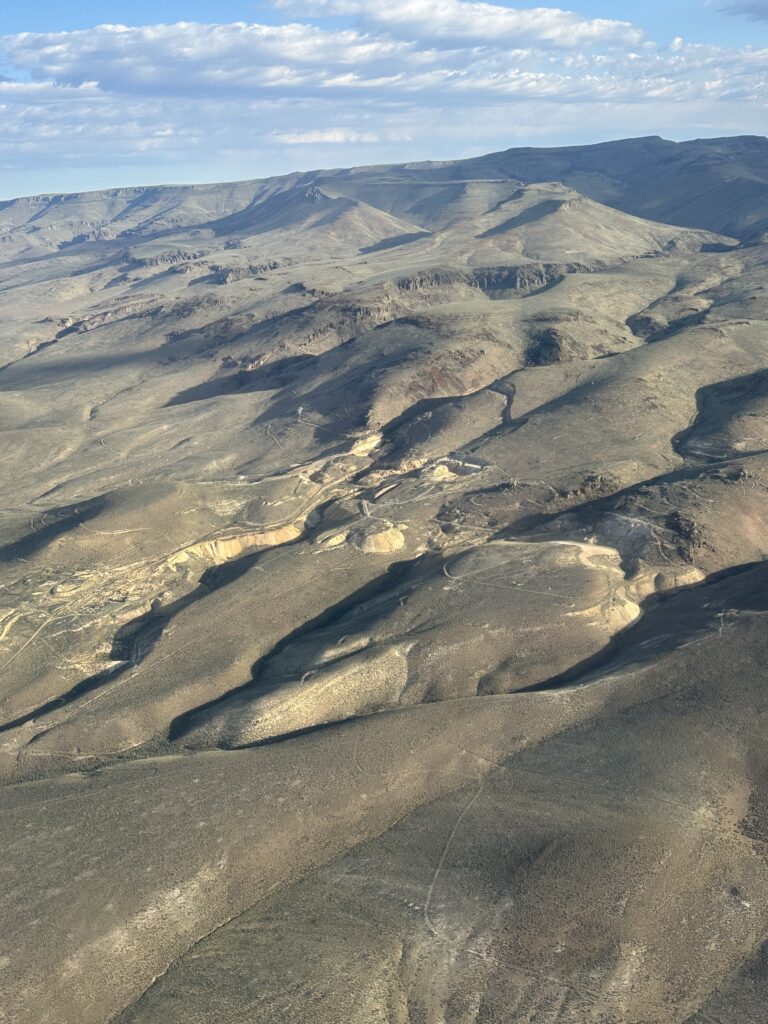
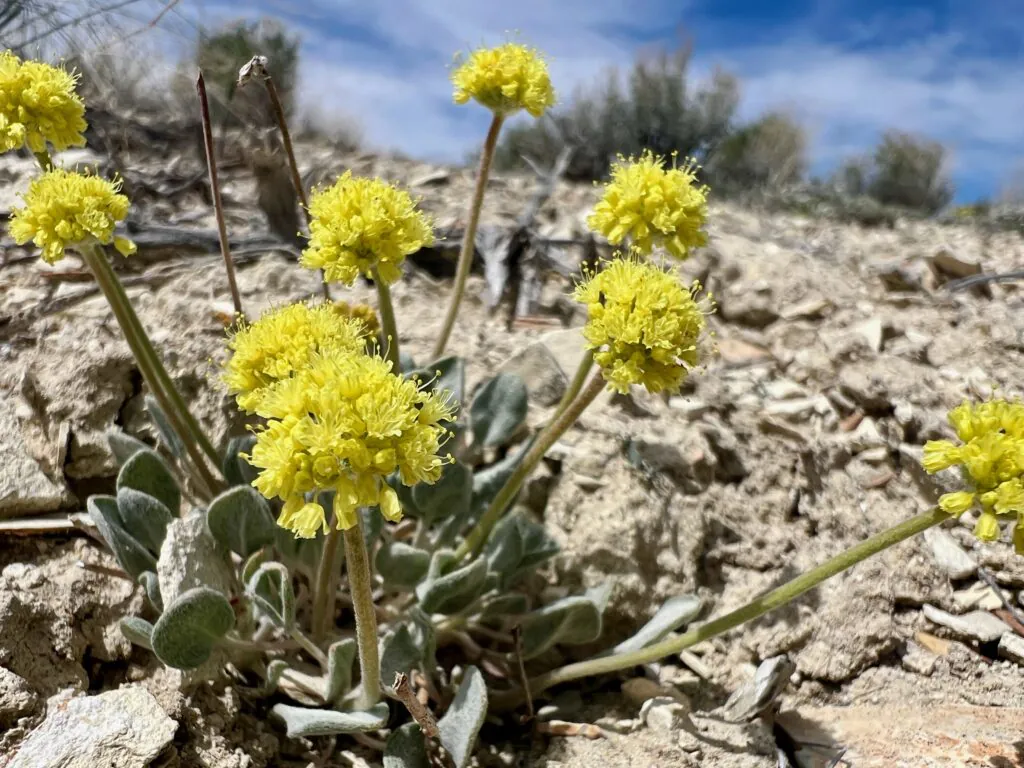
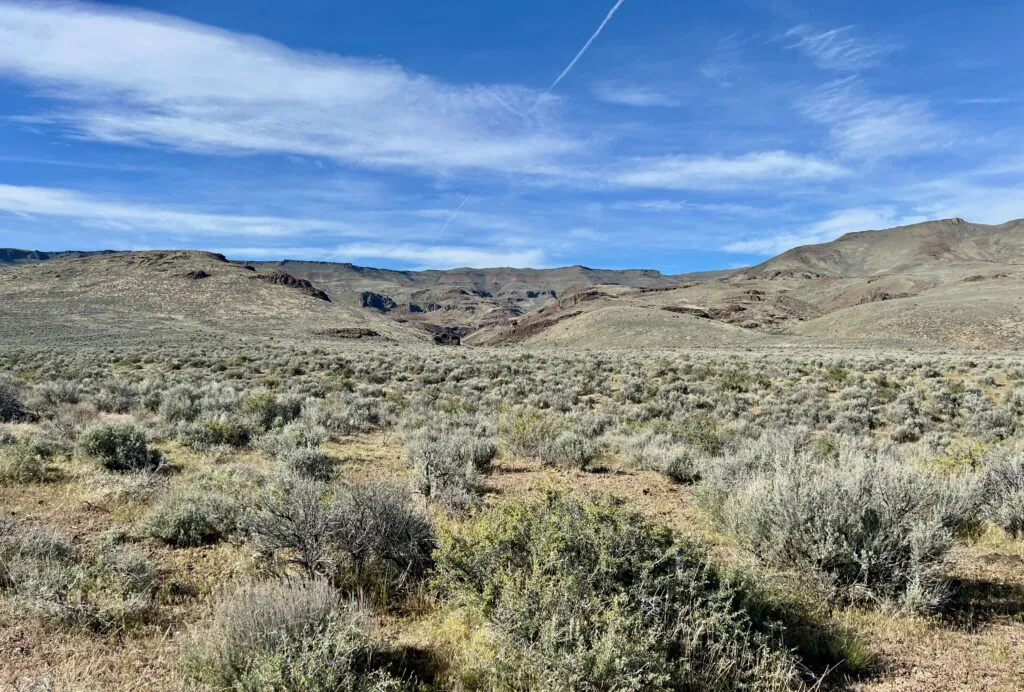
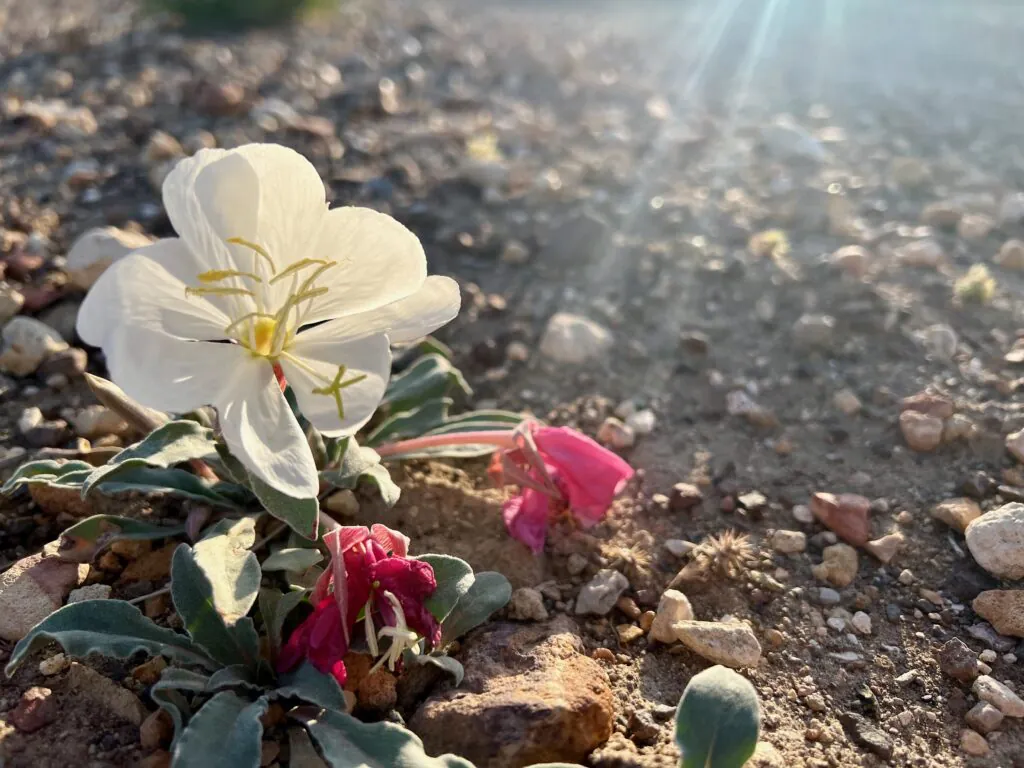

Photos from the area that will be affected by the McDermitt Exploration Project. Credits — Aerial view: Ecoflight, Sagebrush: Earthworks, Flowers and nest: Anne White, Oregon Natural Desert Association