
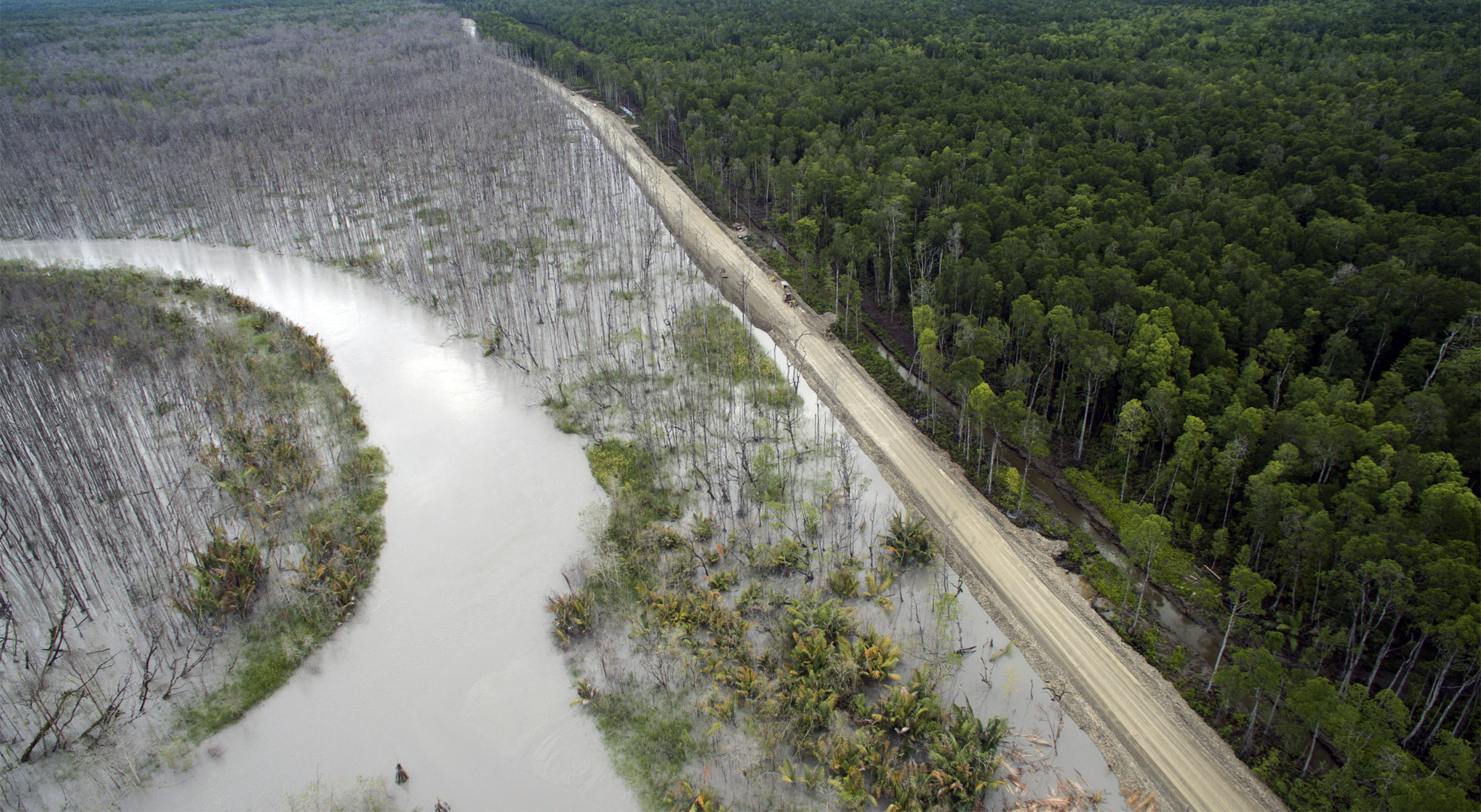
Indonesia is the world’s largest producer of nickel. It sits at the crossroads of climate protection, clean energy and human rights. Nickel is a key mineral in electric vehicle batteries. Indonesia is scaling up production dramatically. Indonesian nickel now makes up over half of the world’s nickel production.
However, communities and allies are concerned about increasing environmental and social harms, especially related to mine waste.
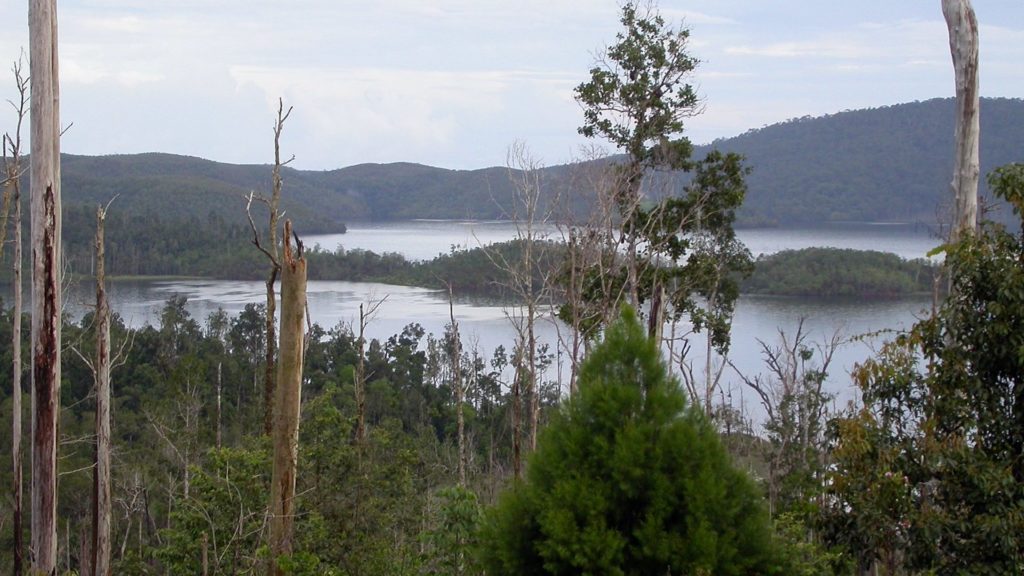
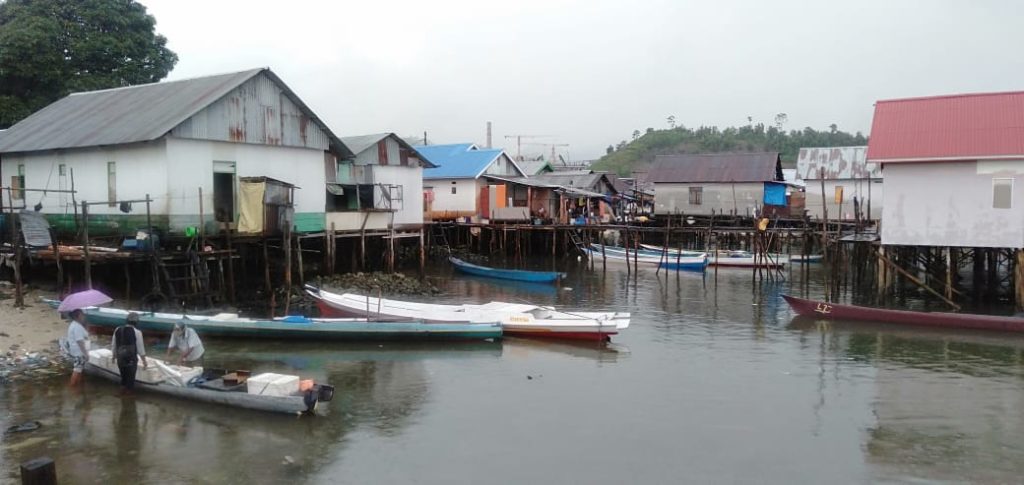
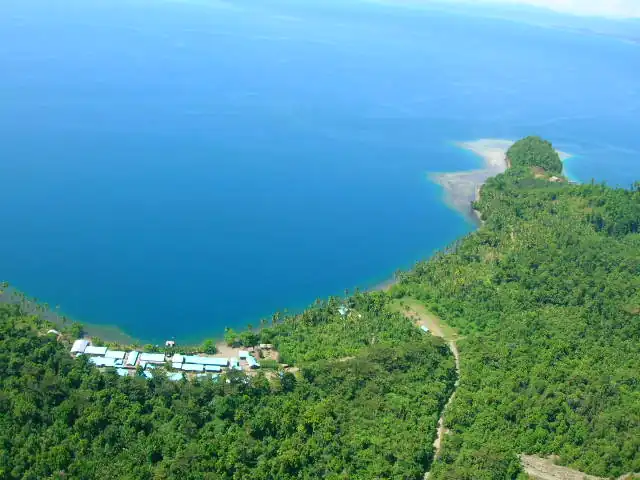
Nickel Extraction
Most Indonesian nickel is extracted using High Pressure Acid Leaching. This utilizes high pressure, extreme heat, and sulphuric acid. The process requires a significant amount of energy, primarily from coal-fired power plants. This can be bad for air quality. HPAL processing with coal-fired plants emits about 20 tons of carbon dioxide per ton of nickel produced.
It also generates a significant amount of waste. For every ton of nickel, HPAL processing generates hundreds of tons of waste, also known as tailings. Tailings typically contain crushed rock, water, small amounts of metals (some of which are toxic), and chemicals used in the mineral processing process. The sulfuric acid from HPAL makes the tailings highly corrosive, toxic, and difficult to manage.
Waste from Nickel Projects
Nickel companies at the Indonesia Morowali Industrial Park and facilities on Obi Island initially planned to dump their waste directly into the ocean. In response to mounting pressure from impacted communities, consumers, and car companies, the Indonesian government announced that it would not approve any nickel projects that use submarine tailings disposal. Toxic mine waste already threatens the Coral Triangle, an area internationally recognized for its coral reefs, turtles and other endangered species.
Instead, companies claim they are creating filtered tailings by removing some of the water before placing the tailings into a dam. Filtered tailings can also be called “dry-stack tailings” or dry tailings.
Filtered tailings can be a safer method of storing mine waste; however, in countries like Indonesia, which experience heavy rains and earthquakes, they present significant risks. On March 21, 2025, a tailings dam failed after heavy rains at the Indonesia Morowali Industrial Park, killing three mine workers. This tragedy occurred just five days after flooding caused by the collapse of a tailings wall.
Communities and ecosystems in Indonesia should not bear the high cost of increased nickel demand worldwide. Responsible mine waste management and accountability to communities are critical first steps. Until then, Earthworks and our allies continue to warn downstream users and financial backers of the risks of this dirty and outdated practice.