
|
Getting your Trinity Audio player ready...
|
Chinese-Owned Serbian Mine at the Center of Allegations Highlights the Human Price of the Global Race for Minerals
On June 16, 2026, US Customs and Border Protection, citing “use of forced labor in their production,” effectively blocked imports of copper mined by Serbia Zijin Copper D.O.O, a mine operating in Serbia but largely owned by China-based Zijin. The mining company has a history of labor abuses.
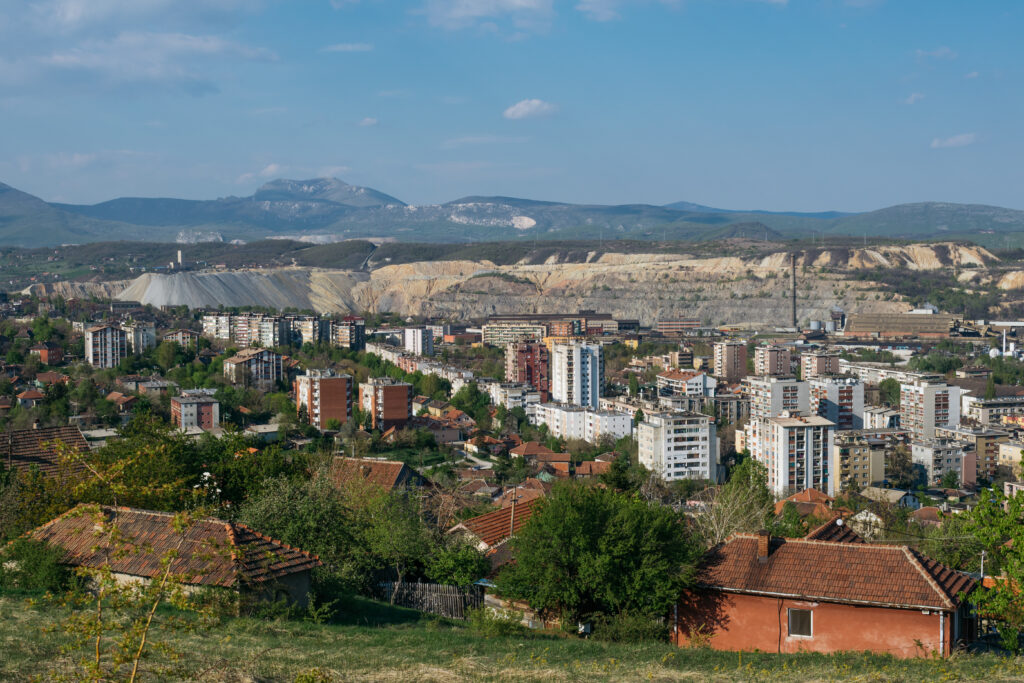
The Zijin copper mine complex is located in the Eastern part of Serbia, in the City of Bor, home to about 28,000 Serbians. Production has skyrocketed in recent years.
The United Nations Special Rapporteur on human rights and the environment named Bor one of the most polluted places on earth. Most recently, Serbian labor inspectors found the company failed to take action to protect workers from heavy metal contamination.
A History of Labor Abuses
Border Patrol’s order is the newest development in a litany of concerns about labor abuses at the Serbia Zijin copper mine. It adds a new layer of worry that workers may be exposed not only to unsafe working conditions but also coercion and control that violates basic human rights.
There have been numerous reports of abysmal working conditions and abuses at the mine, which uses both Serbian and Chinese labor.
Most recently, Serbian labor inspectors found the company failed to take action to protect workers from heavy metal contamination.
Harm to Public Health
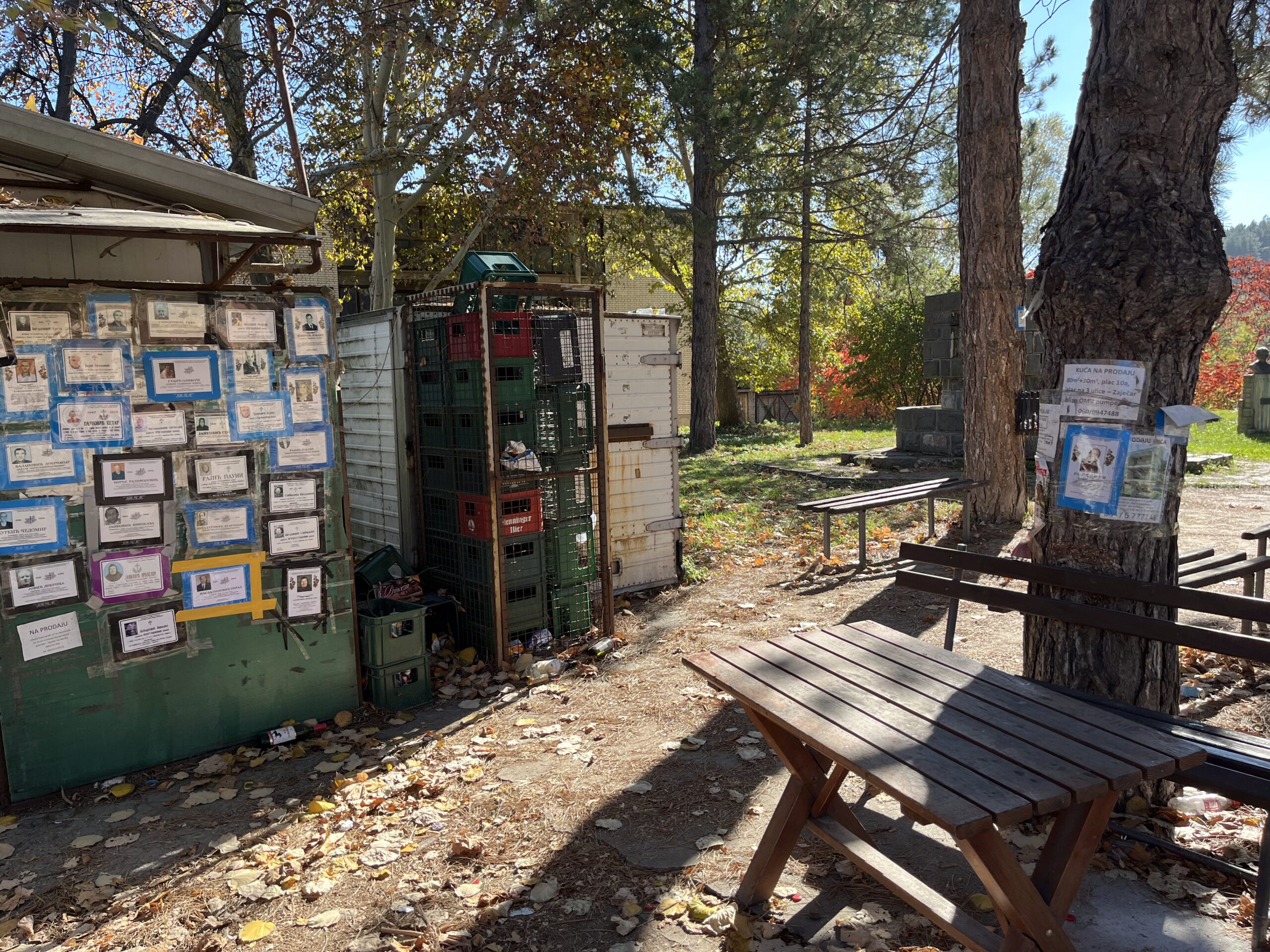
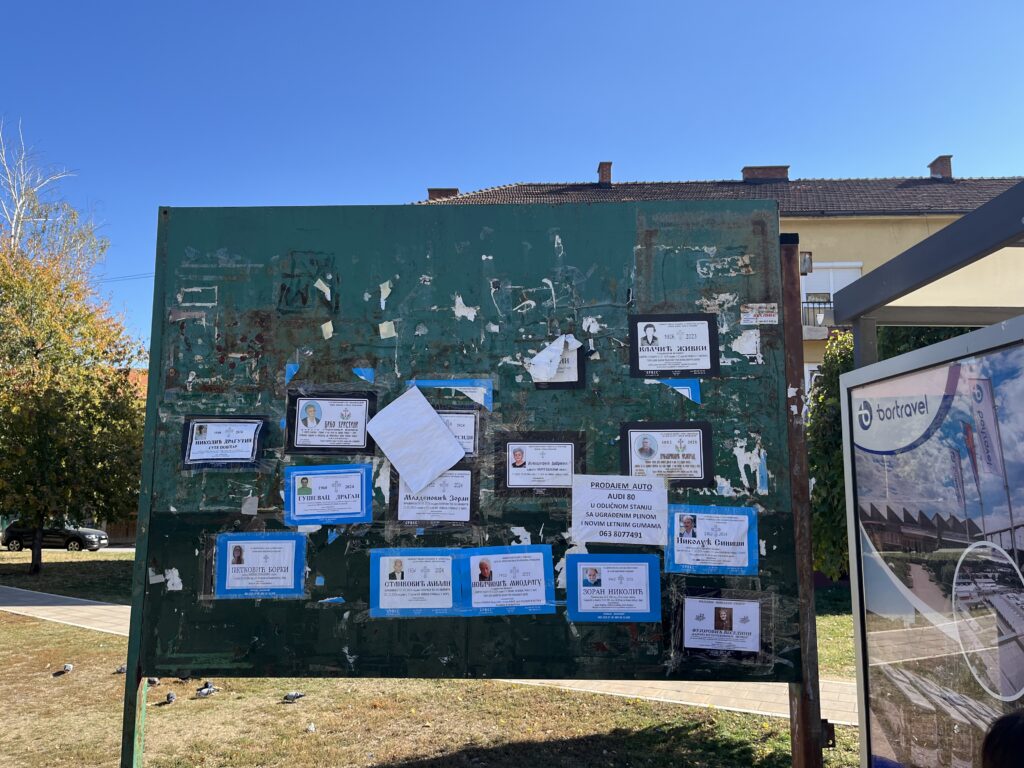
During a visit to Bor last year, I heard first hand how the continued pollution is impacting the lives and livelihoods of the residents of the city and surrounding communities. In Serbia, it is common to post obituaries in public spaces, and I saw bulletin boards in Bor and surrounding areas packed with pictures of the recently deceased.
A report from January 2024 revealed frequent spikes in sulfur dioxide levels around the city. Sulphur dioxide can contribute to respiratory problems, as well as acid rain. The study also found fine particulate matter, PM10, containing heavy metals including lead, cadmium, nickel, and arsenic.
A WHO study found a correlation between air pollution in Serbia and the exacerbation of cardiovascular issues.
Workers and Residents Caught in the Minerals Conflict
Workers in the copper mining complex and the residents of Bor are on the front lines of the geopolitical competition for minerals and metals.
But this goes beyond politics. Workers have a basic right to safety and dignity. So do communities.
Human rights abuses remain common at mines around the world. Human rights need to be taken seriously no matter who owns a mine, and no matter where it is located.