
|
Getting your Trinity Audio player ready...
|
By Jan Morrill, Earthworks and Diana Martin, MiningWatch Canada
This month representatives of communities living in the shadows of the Pueblo Viejo gold mine and their allies traveled almost 30,000 kilometres around the world to draw attention to the impacts of its mining on their homes and families. They are calling for action to protect their health, safety, and to defend the rights of their communities. This shouldn’t have to be the case.
These Dominican activists visited Belgium, Panama, and Canada calling for more transparency and accountability from the Canadian company operating the mine, Barrick Mining, better oversight from the Canadian government, and the safe relocation of 450 families who say they are already suffering environmental and health impacts.
Calling out harm in London
The trips come on the heels of a complaint filed with the London Bullion Market Association (LBMA), an accreditation authority for gold, silver, and other precious metals. The complaint alleges the company’s public record of human rights violations and environmental harms is incompatible with LBMA’s internal guidelines, and therefore gold from the mine should not be traded on the London Bullion Market. The complaint highlights the pollution, health problems, and impacts on crops in communities around the mine. According to the lead lawyer filing the complaint, “If you sit in London and you set standards but don’t police them — to enable highly profitable metals trading to go on — then you should expect to be held to account.”
Communities search for answers
Communities have raised longstanding concerns about water contamination, air pollution, and other health impacts. One of Latin America’s largest open-pit gold mines, Pueblo Viejo has generated vast quantities of mine waste since commercial operations began. Barrick is now pursuing a major expansion that includes a new facility designed to store hundreds of millions of tonnes of additional mining waste and extend operations for decades.
The Comité Nuevo Renacer (CNR), an organization representing five communities affected by the Pueblo Viejo mine in the Dominican Republic — La Cerca, La Piñita, Las Lagunas, Jobo Claro, and Jurungo — has advocated for years for community relocation in response to the environmental and health problems they associate with living near the mine.
This advocacy includes unsuccessful efforts to obtain essential information from Barrick Mining Corporation regarding the mine’s environmental impacts and tailings facilities. Since 2021, the CNR and its partner organizations have written to Barrick, its CEOs, and to investors, requesting access to information and transparency about the impacts of the mine on communities and families. These requests for information have been ignored or answered with information that is incomplete or not relevant to their requests.
Calls for more transparency in Belgium
During the first week of October, Fernando Peña from the National Space for Transparency in Extractive Industries (ENTRE) and the Public Policy Observatory from the Autonomous University of Santo Domingo attended the Extractive Industry Transparency Initiative (EITI) annual meeting. Peña, the official representative for civil society from the Dominican Republic, highlighted the LBMA case and the concerns of local communities during the official event and in other spaces.
Government accountability in Panama
On October 27, Casilda Lima, resident of Las Lagunas, member of the CNR and plaintiff in the LBMA complaint, presented testimony before the Inter-American Commission on Human Rights. As part of a hearing on the international obligations of Canadian extractive companies and their impact on human rights, Ms. Lima shared her experiences of living less than a kilometer from the tailings dam holding back mine waste for the Pueblo Viejo mine. She testified to the many health problems she is experiencing like headaches, nausea and trouble breathing, the dust that blows from the tailings and covers her house on a daily basis, and the noise from mining operations that keeps her awake at night. She highlighted the community calls for relocation, stating “…they should move us …to a place where we have water, where we have rivers, like what we had before [mining], now we don’t have anything.”
The CNR also presented written testimony as part of the proceedings, calling on the Canadian government to investigate the actions and impacts of Barrick, and to take all necessary measures to remedy the damages. They also asked the Canadian government to work jointly with the Dominican government to implement the resettlement project, which has been on hold for seven years, and urged the Government of Canada to take action to ensure that Canadian companies, including Barrick, comply with international standards and regulations on access to information and transparency, such as the Extractive Industries Transparency Initiative (EITI), the Global Industry Standard on Tailings Management, and others.
Taking the message to Canada
From October 28 through November 4th, Leoncia Ramos, a representative of the CNR and resident of the community of La Piñita, and another plaintiff in the LBMA complaint, traveled to Canada to provide a first-hand account of the impacts of extractive activities on agricultural and rural communities in the Dominican Republic. Her testimony was included in a parliamentary press conference and she brought her concerns to representatives of the Canadian government, who committed to looking further into the issue. The Canadian Network for Corporate Accountability, representing over 40 civil society organizations, invited Ms. Ramos as a speaker at their biannual members meeting.
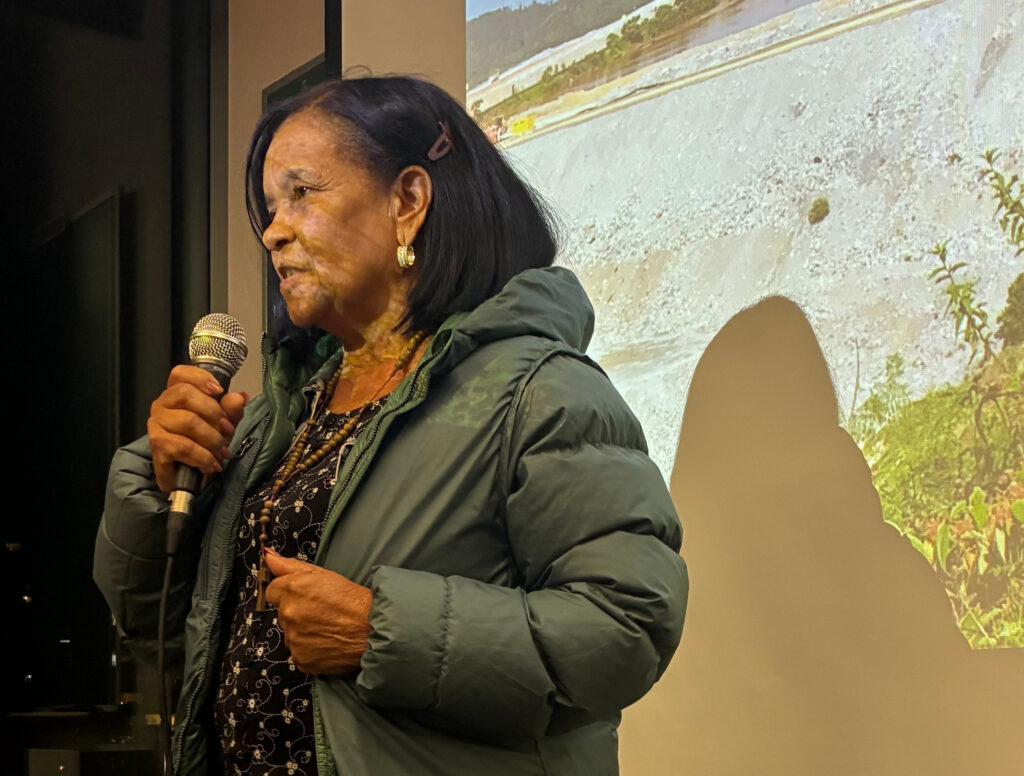
While Canada expands trade globally, back home the government is narrowing already limited avenues for accountability for abuses by Canadian mining companies abroad. Ms. Ramos leveraged her visit to urge Canadian decision-makers to act on community concerns and address the risks posed by mining expansion. She called on the government to implement due diligence legislation that ensures affected people have meaningful access to accountability and remedy.
Bringing justice home
There should be measures in place to protect communities from harms associated with mining and ensure they have the information they need to make decisions about what is best for themselves and their families. When communities suffer harm, there should be timely and appropriate remedy taken by companies and national governments. If communities raise concerns, standards setters like the LBMA, and governments where the companies are headquartered should assume responsibility and take action.