
|
Getting your Trinity Audio player ready...
|
A Toxic Tour is a guided, on-the-ground visit that brings tribal leadership, agency staff, and community members directly to areas with oil and gas well sites near homes, schools, and on lands adjacent to tribal jurisdiction. Earthworks collaborates closely with partner organization Diné CARE to make these possible and uses an Optical Gas Imaging cameras to make environmental & health and safety concerns visible to the naked eye. This blog reflects on just one of several Toxic Tours conducted in partnership with Diné CARE in the Navajo Nation Checkerboard in 2025.
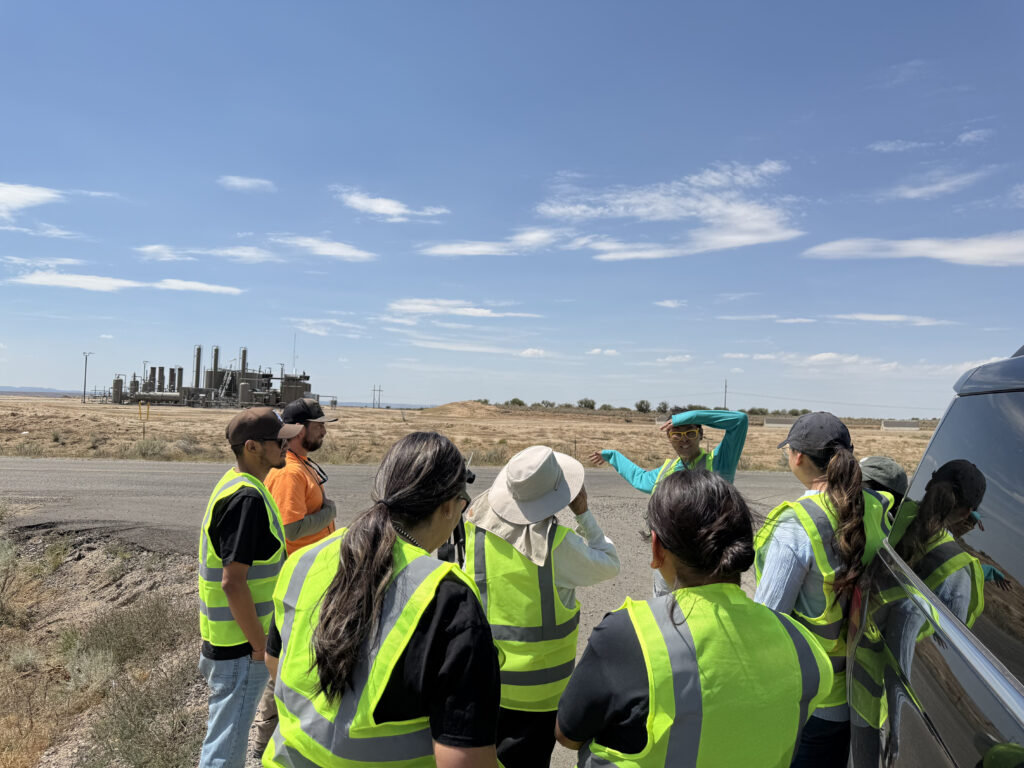
The day started early to avoid the nearly 100 degree weather in the Counselor area. We loaded up with staff from the Navajo Nation Environmental Protection Agency and headed straight to our first stop, an oil well less than a mile from Lybrook Elementary School. We made three separate stops during this particular tour; the heat was sweltering as we looked through the FLIR camera. At the last stop of the day, the smell of chemicals hit us before we found a safe spot across the street, dust swirling around us as oilfield truck traffic made its way through.
This tour wasn’t just about one well or one town. It was meant to show the ongoing risks frontline communities face when profits are put before people, when safety is not made a priority. The placement of well sites is a tricky issue in the Checkerboard of the Eastern Agency of the Navajo Nation. Well sites are nestled among the communities, and oilfield traffic uses narrow, dirt roads not meant to transport tons of weight and size.
At the core of our work is a simple goal: making sure communities have clean air, clear information, and the ability to speak up when something doesn’t feel right.
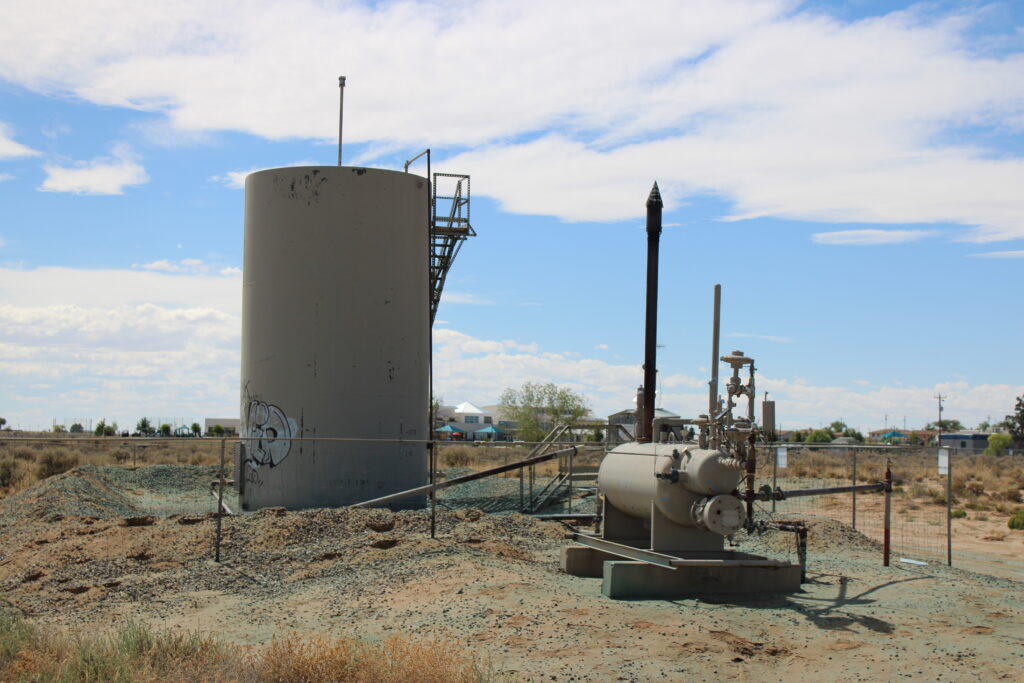
The living environment surrounding the well sites shows signs of damage: dying trees, wilted and discolored sagebrush. The proximity of well sites to homes is the most concerning. Some homes sit less than a mile from well sites, some even closer due to the Checkerboard. When you can smell the emissions before you see the site, when the dust swirled up by oilfield traffic clings to your skin, those concerns are valid and should be reported.
What I appreciated most about tours like this one was the chance to slow things down and actually stand in it together. There’s a difference between talking about the impacts and experiencing them side by side: feeling the heat, smelling the air, watching the emissions show up on the camera display in real time. Those moments opened up honest conversations that don’t always happen in offices or on Zoom. It reminded us that community members are concerned for their daily lived experience. Being out there together made it harder to dismiss what people are seeing, smelling, and living with every day.
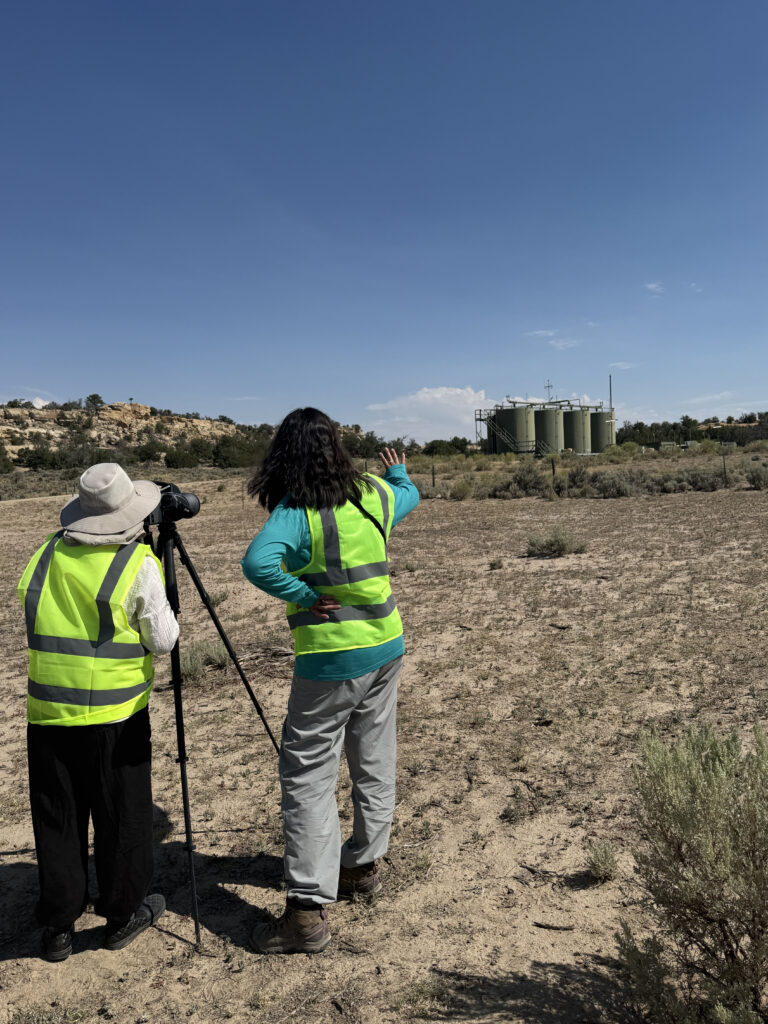
The Toxic Tours created space for shared understanding. These moments allowed leaders who make decisions about our lives every day to hear directly from within the impacted area, and to better understand the realities of living near oil and gas infrastructure. It reinforced the importance of collaboration between tribal leadership and their constituents. Addressing the daily concerns of communities in the Checkerboard of the Eastern Agency of the Navajo Nation is critical to their long term health and mitigating environmental impacts.
As we look ahead to 2026, these tours remain a critical tool for awareness, accountability, and community wellness. They are an open invitation for tribal leadership to stay connected to the communities they serve, and give residents an opportunity to speak up about what they experience.
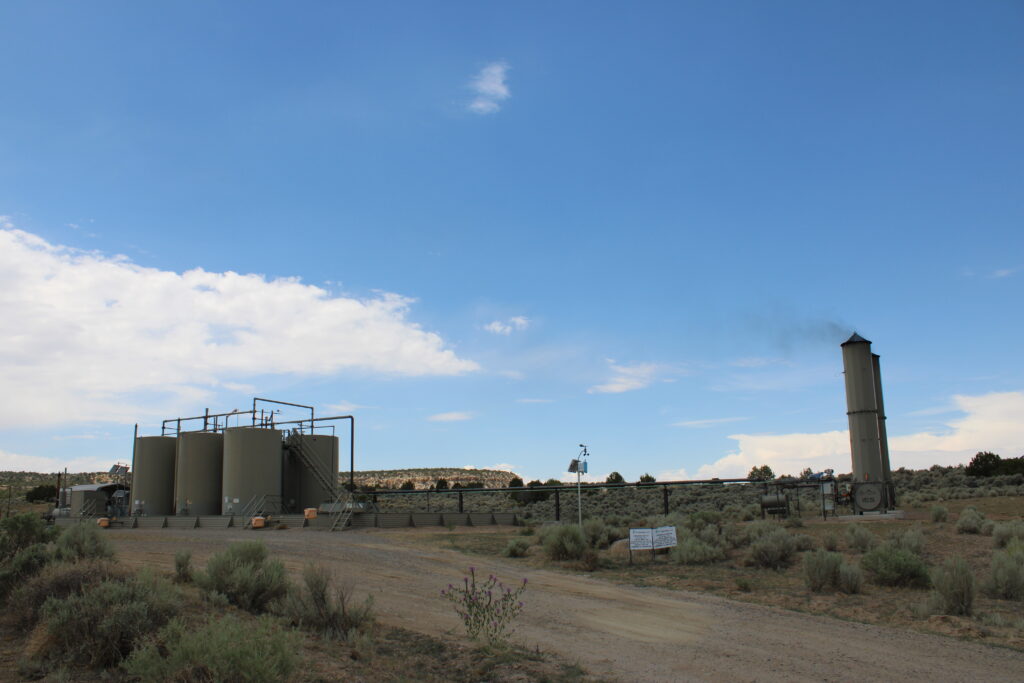
These tours are not just about documenting problems. They are about building the relationships and understanding needed to protect the health, safety, and future of frontline communities across the Navajo Nation.
Clean air should not be negotiable. Community participation is how we move closer to that reality by showing up, asking questions, and making concerns visible. Participation matters. Being present matters. These Toxic Tours are where we will continue to practice all of it.