|
Getting your Trinity Audio player ready...
|
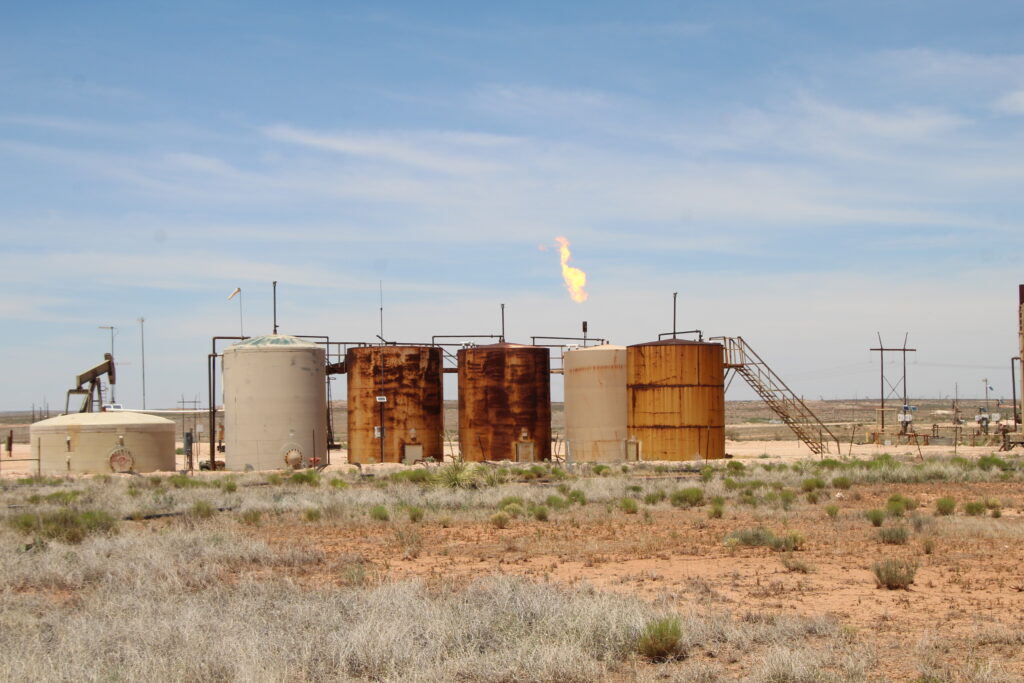
New Mexico is a land where world-class biodiversity meets millennia of cultural heritage, with more than 20 national parks and monuments, vibrant indigenous traditions, and breathtaking landscapes that stretch from red rocky canyons to alpine forests. It is also now the second-highest crude oil-producing state in the country. This industry is creating a billion-dollar problem, much of which is currently forecasted to be borne by taxpayers.
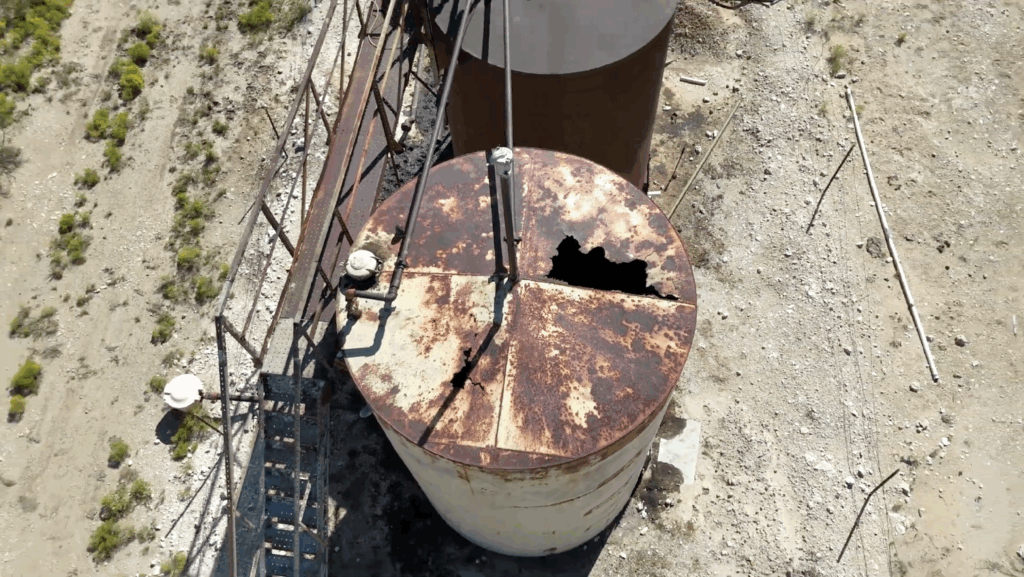
To be clear: oil and gas revenue does bring some benefits to the state, with record-breaking land leases funding educational and other public benefits. But that money does not address the fact that oil and gas companies routinely abandon low-producing wells without repairing the damage they’ve done.
While every hole drilled in the ground for fossil fuel extraction creates a forever-pollution problem, there are steps companies can take to return the land more closely to its original condition. In fact, all states require oil and gas companies to cover a portion of the costs associated with those steps through a process known as “bonding.” (Unfortunately, no state requires them to cover the full cost of clean-up, which they most certainly should.)
“Bonding” is the industry term for something rather simple. A bond is essentially a dollar commitment from an oil and gas company that they will spend at least that much (the amount of the “bond”) to clean up a site after they are done using it for fossil fuel extraction.
In New Mexico, current laws limit bonding to $250,000 per operator. Again, that is per operator, not per well. That might sound like a lot of money – until you dig a little deeper.
Turns out, some operators own hundreds to thousands of wells. The average cost to plug and restore a single well? $163,000. That’s only the average, though. Some well sites may cost up to $700,000. A bit of quick mental math reveals a significant gap between a $250,000 commitment to clean up anywhere from 1 to 1,000 wells and the $163,000-$ 700,000 required actually to do so. Over $100 million in state and federal public funds (so, taxpayer money) have gone to cleaning up oil and gas companies’ mess in just the last five years.
If laws are not modernized, tax payers may be on the hook for anywhere from $1.6 to $8.1 billion dollars. Meanwhile, oil and gas companies continue to see record profits, and those trends are only expected to increase. At the same time, New Mexico often ranks low in health and education outcomes, is plagued by air and water quality issues, and stands as one of the poorest states in the nation.
New Mexicans should not have to foot the bill to clean up the messes of one of the world’s richest industries. And, they don’t want to. According to a 2024 survey, 90% of New Mexicans support oil and gas companies paying the full cost of not only clean up, but land remediation as well.
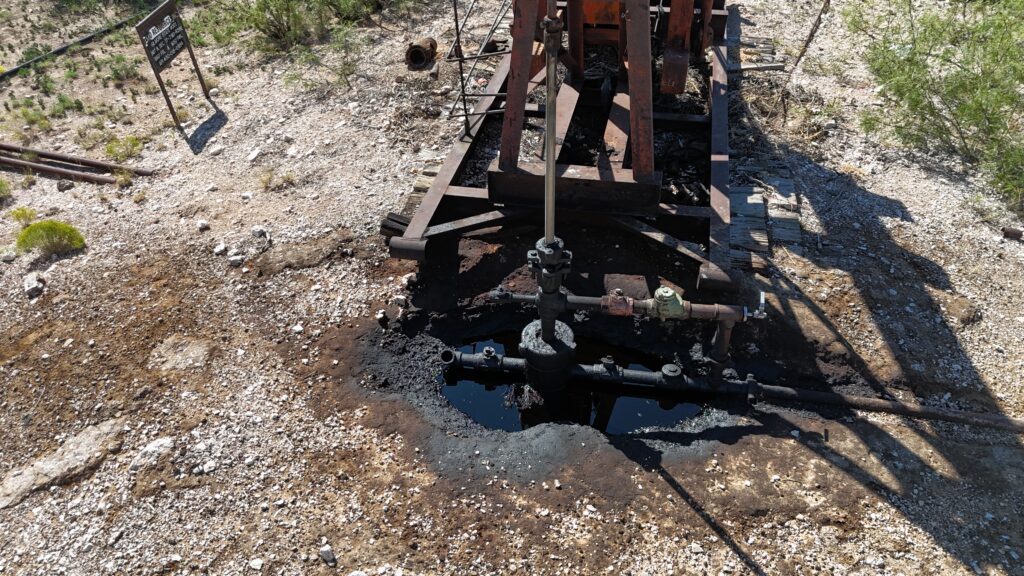
Every New Mexican knows: if you make a mess, you clean it up. But oil and gas operators leave behind toxic wells while walking away with billions. The time to change that is now. Let’s fix the rules to ensure fossil fuel companies pay their fair share to clean up the messes they make.
The good news is, you can have your voice heard and make a difference right now.
The New Mexico Oil Conservation Commission is considering long-overdue updates to rules that require oil and gas corporations to set aside money to clean up after themselves. The public is invited to submit comments during the Oil Conservation Commission hearings Oct. 20-Nov. 7. Our partners have put together a helpful guideline on how you can submit your own public comment.
You can also share this blog with others who care about New Mexico’s land and water and ask them to add their name to Sierra Club’s petition.