
|
Getting your Trinity Audio player ready...
|
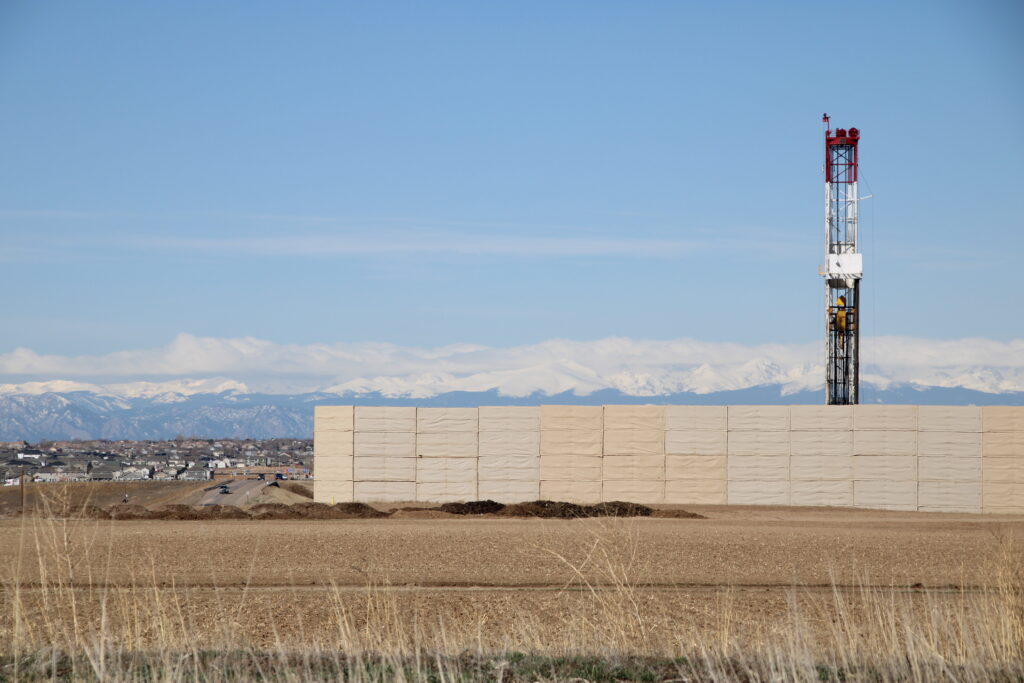
Late last year, Save the Aurora Reservoir (STAR), a community group based in Aurora, Colorado, celebrated a significant victory over the oil and gas industry at a hearing in front of the Energy and Carbon Management Commission (ECMC). After days of testimony, the ECMC voted 4-1 in STAR’s favor and stayed an application submitted by Civitas to drill 32 wells on its proposed State Sunlight/Long well pad, which would be located just over 3000 feet from hundreds of homes in eastern Aurora.
Civitas argued that the proposed location complied with all relevant rules, including the state’s 2000 foot setback for oil and gas development, and was protective of public health. Even still, the ECMC sided with STAR in directing Civitas to consider alternative locations that would be more protective by being located further away from nearby homes.
This decision signifies an important milestone. It also acknowledges something that Coloradans have continued to stress even after the state adopted new rules five years ago to mitigate the impacts of drilling and fracking on impacted communities:
The 2000 foot setback should be seen as the minimum to protect public health AND Negative impacts from drilling and fracking activities are still experienced by thousands of Coloradans every year.
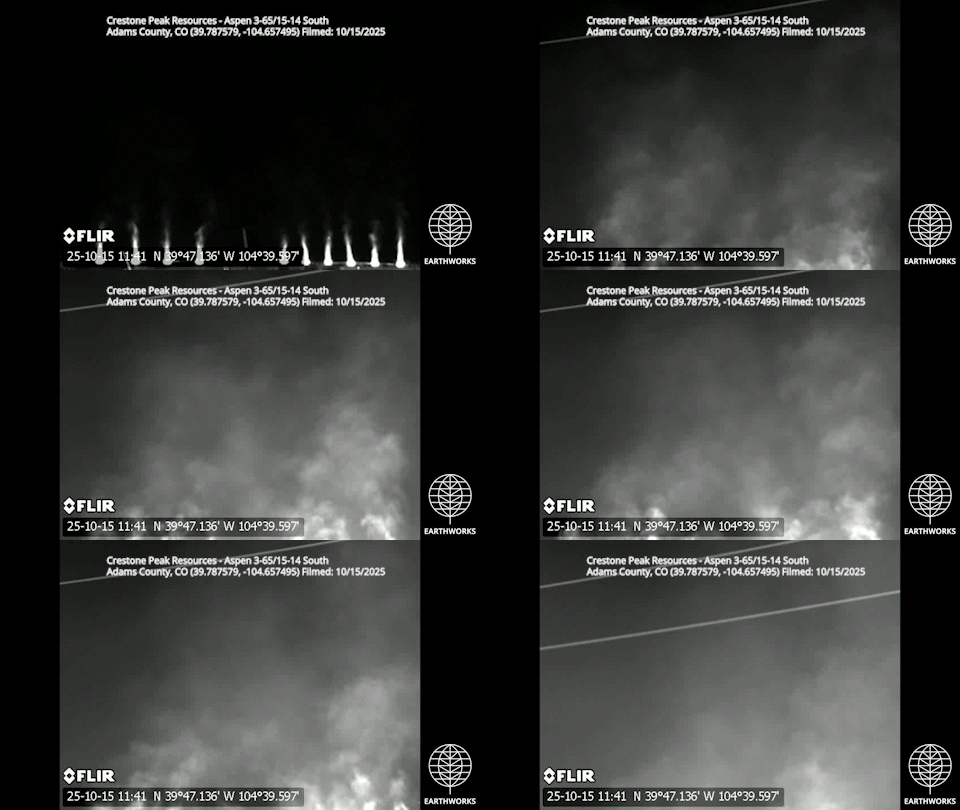
Colorado’s rules are some of the strongest in the nation, but there are still significant gaps in regulatory oversight of harmful emissions from the oil and gas sector, particularly during drilling and fracking activities. During the hearing, we testified in support of STAR by sharing our findings showing that air quality monitoring conducted by operators during drilling and fracking misses harmful emissions events.
We also shared relevant examples from our OGI surveys showing that even when emissions during drilling and fracking are identified, meaningful action to hold operators accountable for these emissions is limited because the state does not directly regulate most sources of emissions on pads during these activities.
Additionally, recent health studies continue to demonstrate that negative health impacts from oil and gas development are strongly correlated with proximity, and that 2000 feet may not be the most protective distance.
Using Colorado data, studies published since the adoption of the statewide setback show increased risk of certain health impacts up to 4000 feet and, for childhood leukemia, even at over 3 miles away from oil and gas development. Studies also show that health risks are exacerbated by cumulative exposures, especially as the Front Range continues to suffer from one of the worst ozone crises in the nation, fueled in part by oil and gas development.
Finally, while the oil and gas industry continues to reassure Coloradans that they operate the safest and cleanest facilities in the nation if not the world, the reality on the ground suggests something different.
Just last year, a well pad owned by Chevron near the rural community of Galeton, Colorado suffered a major failure that led to a geyser of toxic compounds spewing from a well for days and blanketing nearby homes and the playground of Galeton’s elementary school in dangerous chemicals. While Chevron’s onsite air quality monitoring detected no concerning levels of air pollutants during the event, researchers from Colorado State University detected elevated levels of airborne benzene over a mile away from the pad.
Despite all this evidence suggesting ongoing impacts and concerning gaps in current regulations, STAR still faced an uphill battle in convincing the ECMC to take their arguments seriously, as the Commission is inclined to approve proposals from industry unless there is an egregious violation of a relevant rule.
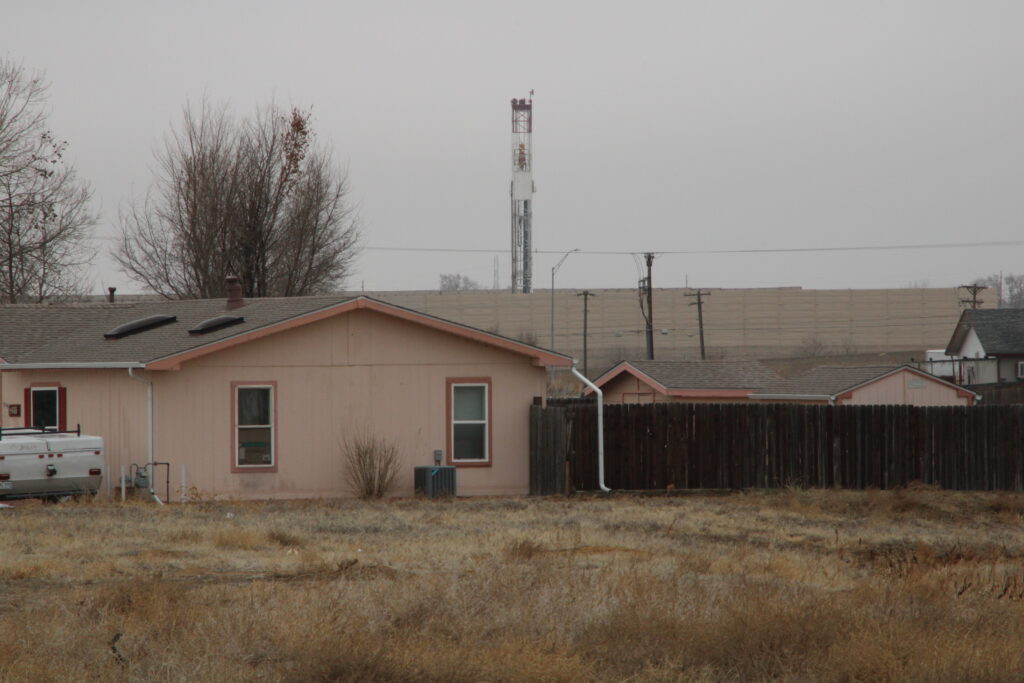
It would also be a disservice to STAR and the community members they represent to not highlight the significant time, energy, and resources they dedicated to achieving this outcome, particularly because it was almost entirely on a volunteer basis. While Colorado has made strides to decrease barriers to public participation and community input on industry proposals, many communities realistically do not have the capacity to mount organized opposition.
It begs the question: How many well pad proposals have been approved over the last few years despite local concerns and opposition simply because nearby impacted individuals did not have the ability to confront a multibillion dollar oil and gas company in a formal hearing setting?
For these reasons, we should join STAR in celebrating this win. This was a hard-earned outcome that offers hope for other community efforts to oppose residential drilling.
It is important to be clear however that Civitas may still be able to get the original location approved if they convince ECMC that no other locations are feasible. Even if this unfortunate outcome awaits, it does not diminish the significance of what STAR was able to accomplish and the example it sets as Coloradans continue to fight for clean air and a healthy environment.