
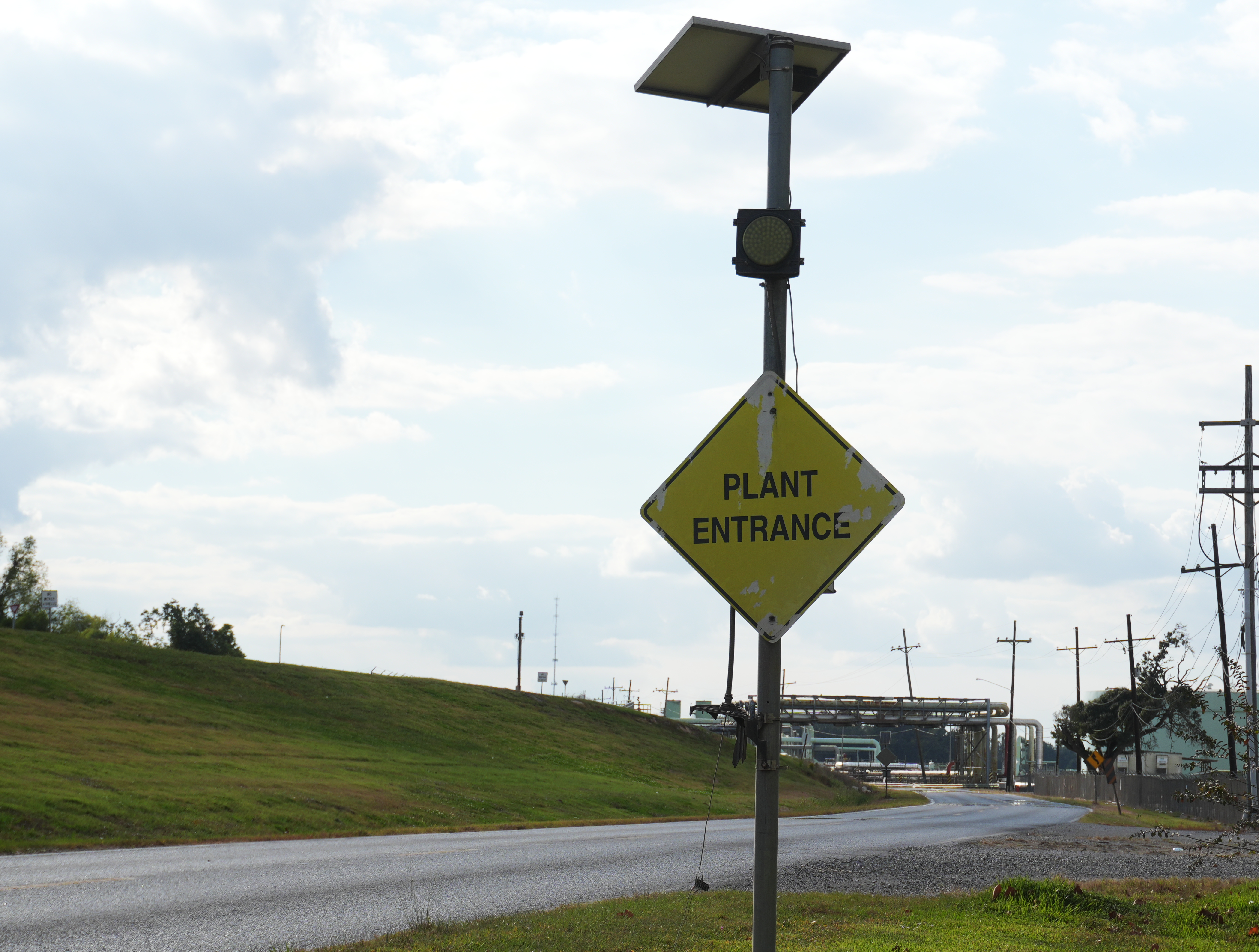
Protect Our Parishes: Get the Truth About Carbon Capture & Storage (CCS)
Learn what carbon capture & storage (CCS) really means for the River Parishes and how to have a say in decisions that could impact your daily life.
Louisiana’s River Parishes are strong, vibrant communities built on generations of families, culture, and industry. But new proposals for carbon capture and storage (CCS) projects bring complex risks that our communities deserve to understand clearly.
CCS projects involve transporting and injecting large volumes of compressed carbon dioxide deep underground. These operations can impact public safety, property rights, drinking-water sources, local ecosystems, and long-term land stability.
Residents have questions—and you deserve straightforward answers.
What is carbon capture and storage (CCS) ?
Carbon capture and storage (CCS) is a process by which carbon dioxide pollution from industrial plants is captured, transported, and stored underground.
There are no CCS projects operating in Louisiana.
Communities like ours face considerable safety and environmental risks posed by underground carbon dioxide storage and transportation, including pipeline ruptures, groundwater contamination, and decreased property value.
Every CCS project claims it will capture carbon dioxide pollution, but the process to do this is ineffective, expensive, and a dangerous distraction from the necessary transition to renewable energy.
Companies are trying to sell it to provide life to their dying industries.
Why does CCS matter?
There are two proposals for CCS projects in Livingston, Tangipahoa, St. James, St. John the Baptist, and Ascension Parishes: Air Products’ blue hydrogen and CCS project and CF Industries’ blue ammonia and CCS project.
These CCS projects could bring considerable safety and environmental risks to our communities.
Air Products blue hydrogen and CCS project
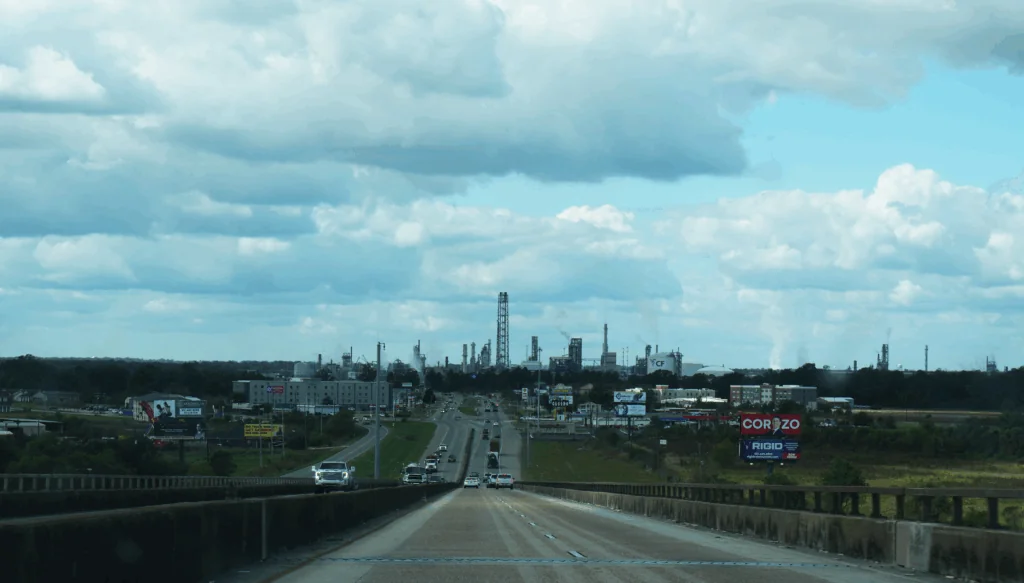
CF Industries blue ammonia and CCS project
How could CCS affect me?
Health & Safety Risks
CCS pipelines can leak and rupture due to equipment failure, severe weather, or aging pipes. If a leak or rupture happens, carbon dioxide (CO₂), an invisible, odorless gas, can quickly fill the air and push out oxygen, making it hard to breathe. People may feel dizzy or pass out without warning. In 2020, a carbon dioxide pipeline rupture in Satartia, Mississippi, sent dozens to the hospital. These risks are even greater in low-lying areas or during emergencies like floods.
Emergency Response Challenges
Some parishes do not have a specific emergency response plan for projects like these, especially given that some fire departments are all volunteer. This means that if an emergency were to occur, first responders would not be trained or equipped to handle CO₂ incidents, and evacuating would be difficult due to improper warning systems. Emergency evacuation could be delayed, especially during severe weather.
Disruption During Construction
Construction of carbon dioxide pipelines would cause noise, traffic, and land disturbance. Building pipelines can harm wildlife, wetlands, and water sources during construction. Long-term risks include soil erosion, water contamination, or damaged ecosystems, especially if maintenance is poor.
Property & Land Issues
The presence of more hazardous pipelines can lower property values. In some cases, pipelines may conflict with future urban development plans or restrict land use.
Corporate Tax Exemptions
CCS companies benefit from corporate tax exemptions, meaning they won’t be paying their fair share for local schools, roads, or emergency services.
Added Strain
In Louisiana, we are no strangers to pipelines and plants. This project would pile more damage onto communities that have been dealing with the consequences of toxic exposure (air smelling like rotten eggs, trouble breathing, shelter-in-place orders, boil water advisories) for decades.
A Corporate Scheme
The project claims it will capture carbon dioxide pollution, but the process to do this is ineffective, expensive, and a dangerous distraction from the necessary transition to renewable energy. Companies are trying to sell it to provide life to their dying industries, yet it has never been done in Louisiana. Louisianans don’t deserve to have their homes be testing grounds for corporate profit.
Our vision for our parishes
We believe in a future where our community is:
- Safe
- Healthy
- Environmentally secure
- Heard by decision-makers
- Protected for generations to come
CCS threatens those values. Together, we can defend them.
Your voice matters
CCS projects move forward quickly—and quietly—unless communities speak up. Residents have the power to demand:
- Transparent environmental studies
- Community-first planning
- Full public hearings
- Independent safety evaluations
- Alternatives that don’t put residents at risk
Now is the time to get informed, get organized, and get involved.

Learn more about CCS:
Blue Hydrogen’s carbon capture boondoggle
Air Products’ proposed hydrogen plant in Louisiana will likely cost taxpayers billions of dollars with minimal greenhouse gas reduction.
Pollution Permits for Air Products’ Project in Ascension Parish Could Move Forward Without Public Hearings
Residents have a chance to change that with public hearing requests.
Read the press release>>
Air Products Site Formerly Orange Grove Plantation
Air Products plans to build a massive gas and chemical facility on land once home to one of Louisiana’s largest sugar plantations, where many people were enslaved.