|
Getting your Trinity Audio player ready...
|
by Gwen Lachelt, Earthworks co-founder
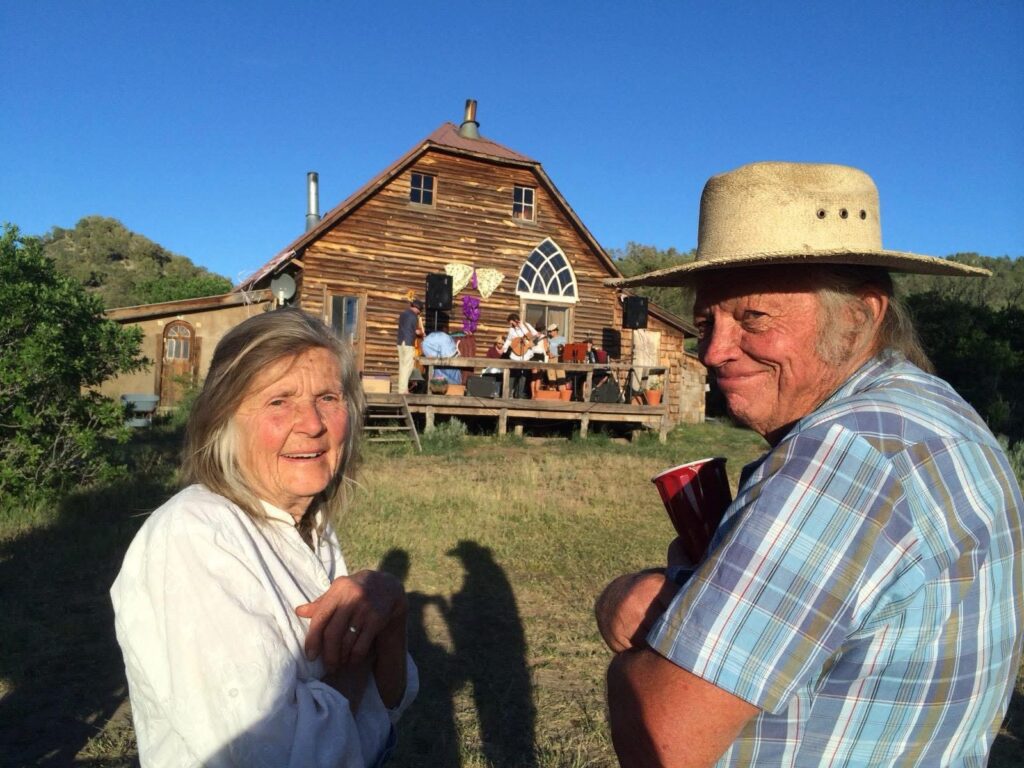
Jim and Terry Fitzgerald were giants in the oil and gas accountability movement that took root in La Plata County, Colorado, in the late 1980s. They both died on December 30, 2025, when their home in the HD Mountains of southwestern Colorado tragically caught fire.
My first encounter with Jim was in January 1988, after front-page headlines announced plans to drill 1,000 gas wells in La Plata County. I was 24 years old, a brand-new community organizer for the Western Colorado Alliance and the San Juan Citizens Alliance, fresh off a three-month campaign to install a stoplight at a dangerous highway intersection. We were obviously ready to take on one of the most powerful industries on the planet—for the next 30 years.
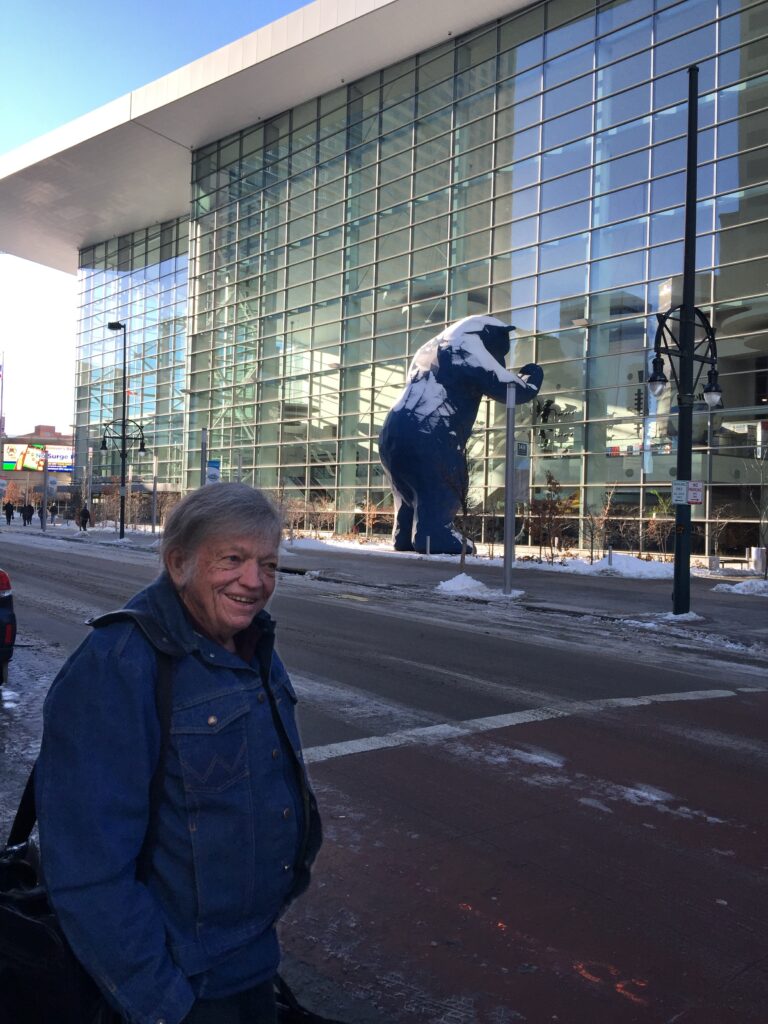
Jim left a message on my answering machine:
“Gwen, we’ve got to do something about this drilling thing—and we’ve got to do it now.”
I listened to that message over and over.
“Gwen, this is Jim Fitzgerald. We’ve got to do something about this drilling thing, and we’ve got to do it now.”
I finally tracked Jim down at his office at Fort Lewis College. And the rest is history.
The fight over gas drilling was all-consuming for decades. We went to court. We went to the state capitol. We ran bills, held hearings, and wore grooves in the pavement between Durango and Denver. When the state oil and gas commission was stacked with industry insiders, we decided to make that visible.
So Terry put on a chicken suit.
I put on a fox suit.
And we chased each other around the county courthouse and the state capitol to demonstrate that the fox was, in fact, guarding the henhouse.
La Plata County became the worldwide guinea pig for the industry’s massive experiment in extracting gas from underground coal seams—coalbed methane development. The pace of drilling and fracking made your head spin. The problems were endless. Water wells ran dry. Massive industrial operations were allowed within 150 feet of people’s homes. Houses spontaneously combusted as methane migrated into crawl spaces. An entire subdivision near Bayfield had to be abandoned and torn down. People could light their tap water on fire.
We fought for the most basic rights—for landowners to have a say in what happened on their own land, or even to be notified that drilling was coming. And many residents are still living with the impacts of the rush and frenzy of drilling in the late 1980s, 1990s, and 2000s.
Terry often reminded us that we were ordinary people fighting for the land against multinational corporations. And somehow, together, we won real victories—protecting vast landscapes from being drilled and safeguarding the HD Mountains they loved so deeply.
And we laughed. We had to. Terry even wrote letters to the editor signed by her lamb, Dinah. Dinah Lamb had strong opinions about gas drilling.
Jim and Terry, along with Travis Stills, Dan Randolph, Wilma Subra, Jill Morrison, Dan Heilig, Karin Sheldon, and I—and several others—founded the Oil & Gas Accountability Project in 1999 to support communities across the country facing drilling and fracking. In 2005, OGAP became Earthworks after merging with the Mineral Policy Center.
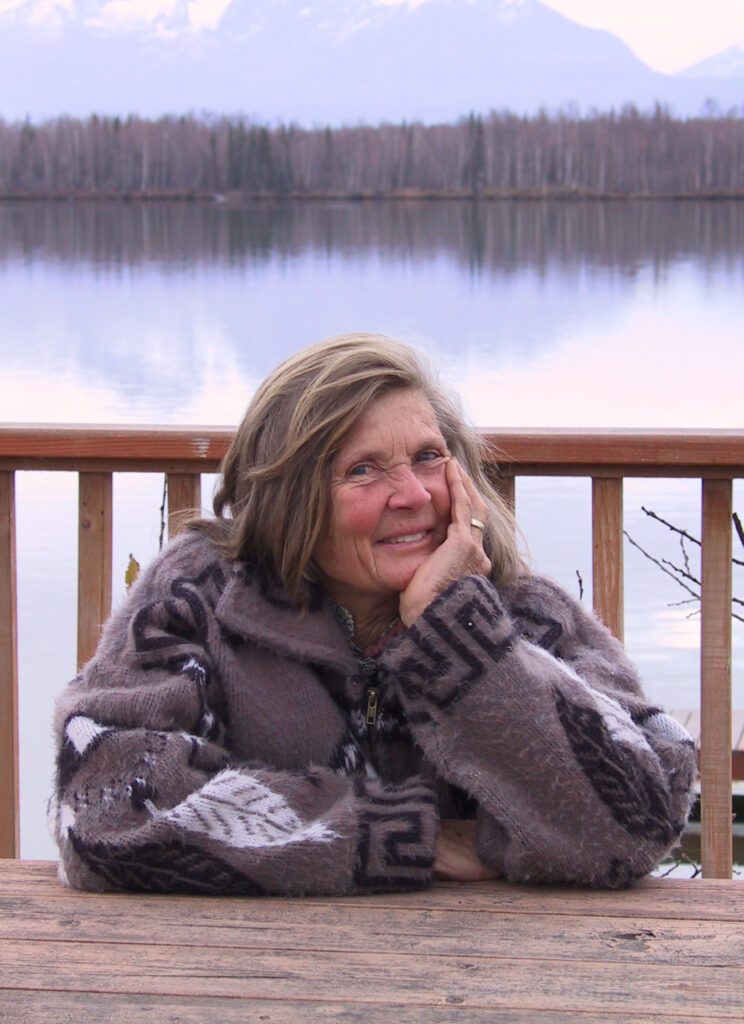
We had so much to offer because of what La Plata County had endured—being the testing ground for an industry racing to figure out how to extract methane from coal seams, no matter the cost to people or the land.
We organized People’s Oil & Gas Summits in communities facing drilling booms or living with legacy impacts: Denver, Wasilla, Farmington, Pittsburgh, and many others across Texas, Wyoming, and New York. We worked alongside residents to help them organize, understand their rights, and advocate for laws and policies to reduce—or, in some cases, prevent—harm.
In Alaska, communities stopped drilling and fracking on 600,000 acres in the Mat-Su Valley. New York banned fracking. We prevented hundreds of wells from being drilled in the HD Mountains of the San Juan National Forest after Jim and I found a federal statute—buried in a dusty volume in the basement of the old Carnegie Library in Durango—that required an environmental impact statement before large-scale gas development could proceed. I still remember us kneeling on the library floor, books of statutes spread open, going line by line until we found the silver bullet.
“Make them live up to their own book of rules” was one of our mottos.
We made huge incremental progress, as people like to say. And still, we couldn’t prevent everything. Many communities continue to live with the aftermath of that rush—that frenzy—of unfettered development.
But most importantly, we helped create community—across the country and beyond.
Jim and Terry were the very essence of participatory democracy. Not the abstract kind. The real, gritty, show-up, do-the-work kind.
Jim and Terry were the very essence of participatory democracy—not the abstract kind, but the real, gritty, show-up, do-the-work kind. They didn’t wait for permission or for someone else to lead. They showed us that change comes from ordinary people who care deeply, act boldly, and refuse to look away.
We are all standing on Jim and Terry’s shoulders. Every time we organize, every time we challenge power, every time we choose community over complacency, we carry them with us.