
This blog is part of a series covering methane regulations at the federal and state level.
Read our first blog, “Methane gas is different“
In February, the Trump administration announced an unprecedented attack to sabotage the Environmental Protection Agency’s ability to do its job. The scientific “Endangerment Finding” is the legal foundation underlying many climate pollution rules; voiding it is among one of the greatest attacks on the ability of the federal government to tackle the climate crisis to date.
But not for methane. Oil and gas methane methane rules are different.
National rules to cut methane are still on the books. It’s time for states to step up and act.
Colorado Models Action
In February, the state of Colorado did just that.
Colorado’s Air Quality Control Commission passed new rules that align state-level air quality regulations with the framework created by the EPA’s requirements. This positions Colorado as one of the first major oil and gas producing states to take concrete action to implement the EPA methane rules.
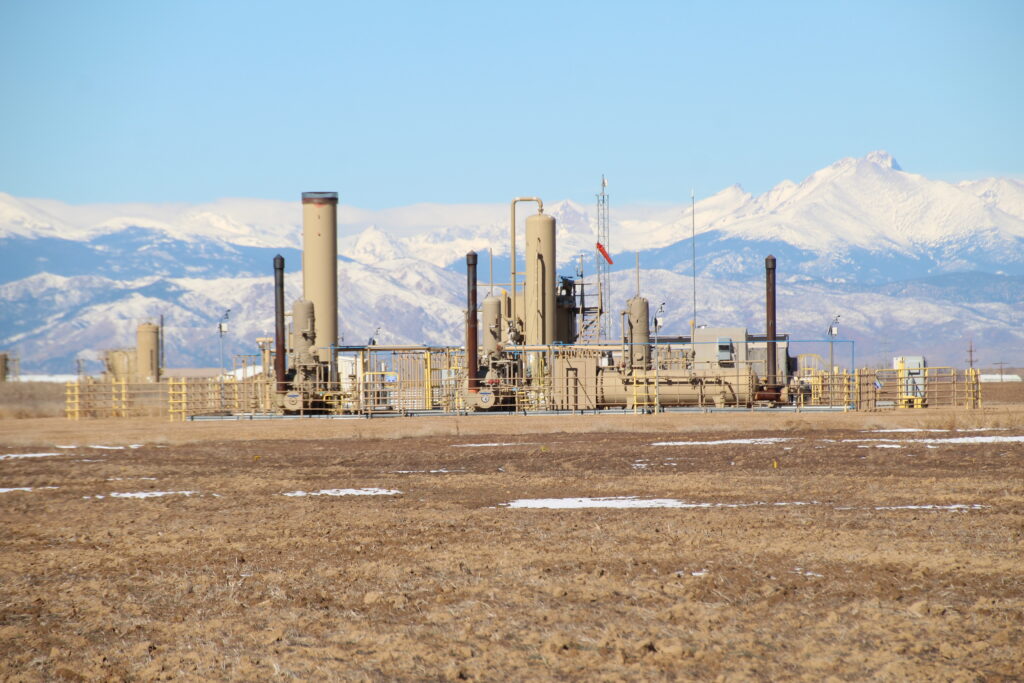
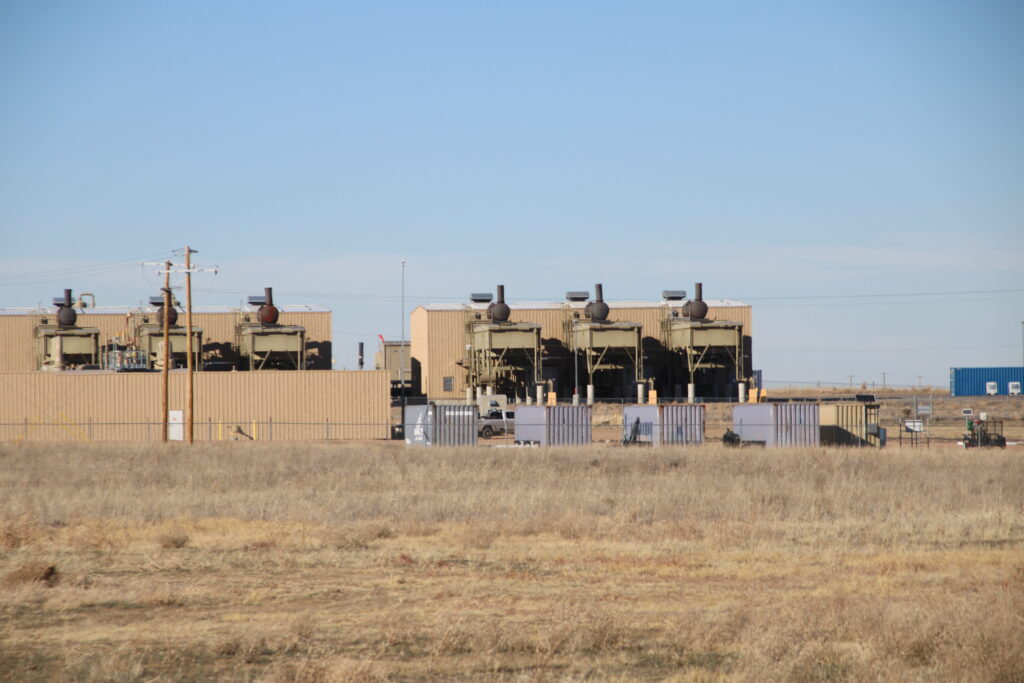
This step also strengthens Colorado’s existing rules by directly requiring certain best practices for emissions reductions at transmission and storage facilities. This includes facilities such as compressor stations (facilities that compress gas to keep it moving through pipelines) and storage terminals (facilities with large tanks for storing oil, gas, and other petrochemical products) that are significant polluters.
Requiring operators to adopt practices that protect public health and the environment is a necessary outcome of air quality regulations. This outcome should never depend on an operator volunteering good behavior.
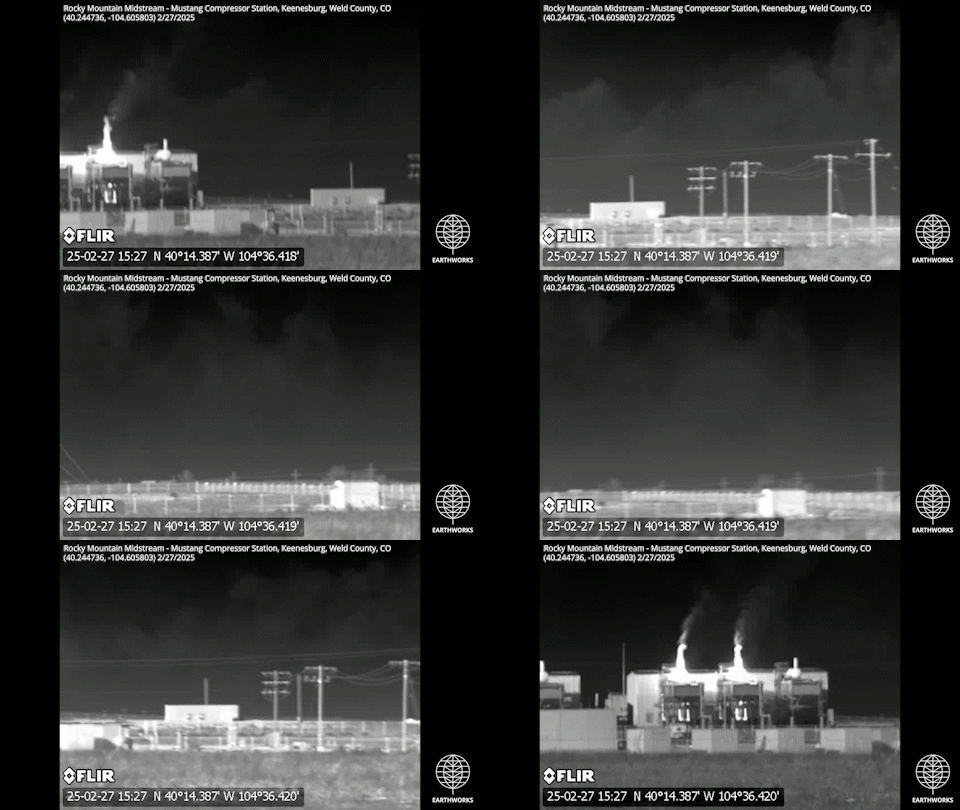
Additionally, these rules require operators of facilities consisting of only a single wellhead to comply with Colorado’s existing Leak Detection and Repair (LDAR) framework, which requires frequent LDAR using approved technologies designed to detect hydrocarbon pollutants like the OGI cameras employed by Earthworks. Our extensive field experience in Colorado and across the US demonstrates that leaks from wellheads are a common occurrence. These facilities account for only a portion of domestic production but can have an outsized impact on the climate when leaks are not detected and repaired effectively.
More state action to come
Later this year, Colorado will adopt another set of rules that will fully align the state’s regulations with the EPA requirements.
Importantly, Colorado has additional opportunities to exceed these requirements and achieve even more emissions reductions from oil and gas. Colorado is currently considering new air toxics rules that would require polluting facilities to reduce certain priority air toxics including benzene, hydrogen sulfide, and formaldehyde, which are all common, dangerous pollutants from oil and gas activities. Colorado has also passed legislation that prioritizes environmental justice and empowers the state to require more stringent emissions reductions from polluting facilities in communities that suffer disproportionate health impacts from harmful industries.
Some of our close grassroots partners like Cultivando, The Greenhouse Connection Center, and Black Parents United Foundation are on the frontlines pushing for Colorado to take these opportunities seriously and to truly meet this critical moment, both for impacted Coloradans and for community members everywhere looking for climate leadership.
Consider signing up for updates from Cultivando, The GHCC, and BPUF to stay informed and learn all the ways you can support these important organizations and the communities they represent.
Colorado is making important progress but must continue to model action at a time when action at the state-level to protect human health and the environment is more vital and urgent than ever before.