
Air Products Blue Hydrogen and CCS Plant
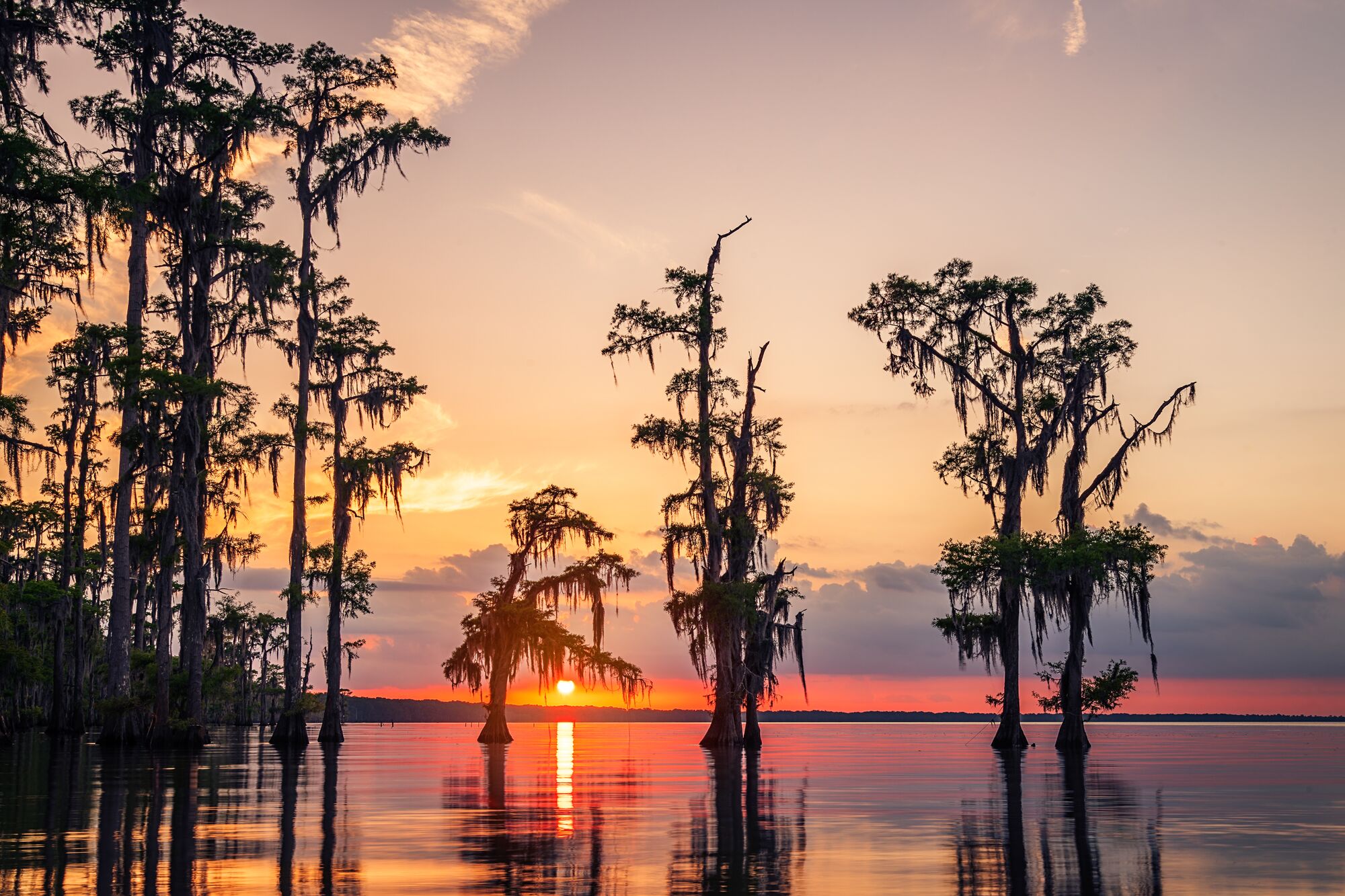
Get the facts about a new blue hydrogen and carbon capture and sequestration (CCS) project proposed in five river parishes and Lake Maurepas.
A new blue hydrogen and carbon capture plant (the Louisiana “Clean” Energy Complex) would have brought considerable safety and environmental risks to the River Parishes and Lake Maurepas.
On July 30, 2026 after more than four years of fierce opposition from River Parish residents, Air Products announced they will not move forward with the co-called Louisiana “Clean” Energy Project.
This is a huge victory for residents across the River Parishes, students and teachers at Sorrento Primary, and Lake Maurepas!
About the project:
| Project Name: | Louisiana “Clean” Energy Project |
| Developer(s): | Air Products |
| Location: | Ascension, Livingston, St. James, St. John the Baptist and Tangipahoa parishes Lake Maurepas Maurepas Swamp Wildlife Management Area |
| Cost: | $4.5 billion |
| Tax Breaks: | TBD |
| Type: | Blue hydrogen, carbon capture and sequestration (CCS) |
| Product(s): | Hydrogen, blue ammonia, liquid nitrogen, argon |
| Status: | Cancelled |
What does the project involve?
Air Products’ blue hydrogen and CCS plant involves building several new pipelines and facilities in Ascension, Livingston, St. James, St. John the Baptist and Tangipahoa parishes, as well as Lake Maurepas and Maurepas Swamp Wildlife Management Area.
- Air Products Blue Energy Facility: a new blue hydrogen manufacturing facility located at 41509 Hwy 22 Sorrento, LA 70778, which is within a half mile of Sorrento Primary School.
- Air Products Carbon Dioxide Waste Pipeline: a new 37-mile long carbon dioxide pipeline that would transport carbon dioxide waste from the Blue Energy Facility to underground wells across Ascension, Livingston, St. James, St. John the Baptist and Tangipahoa parishes.
- Air Products Hydrogen Lateral: a new 1.13-mile long pipeline that would connect the new Blue Energy Facility to Air Products’ existing Gulf Coast Hydrogen Pipeline Network.
- Air Products Natural Gas Pipeline: a new 22.5-mile long gas pipeline that would connect to the Blue Energy Facility. A portion of the pipeline would run through the bottom of Lake Maurepas and through the Maurepas Swamp Wildlife Management Area.
- Air Products Blue Energy Sequestration Site: a new carbon sequestration site in Lake Maurepas, about 35 miles east of the Blue Energy Facility. Carbon dioxide from the Blue Energy Facility would be transported via pipeline through the bottom of Lake Maurepas and through the Maurepas Swamp Wildlife Management Area, and injected and stored deep under the lake.
What is blue hydrogen?
Hydrogen is an invisible, flammable gas that must be handled responsibly and with robust safety measures.
Companies produce hydrogen to make fertilizer.
“Blue” hydrogen is how companies refer to hydrogen that has been produced using carbon capture and storage (CCS).
Air Products’ blue hydrogen manufacturing plant is located within a half mile of Sorrento Primary School.
Hydrogen facilities pose a significant risk of leaks and spills, especially during flooding disasters like Hurricane Ida.
What is carbon capture and storage (CCS)?
Carbon capture and storage (CCS) refers to a process by which industrial carbon dioxide (CO₂) emissions are captured, transported, and stored underground.
There are not any such projects yet operating in Louisiana.
Companies promote CCS as a solution to climate change, because it is supposed to reduce greenhouse gas emissions, but the process is ineffective, expensive, and a dangerous distraction from the necessary transition to renewable energy.
Communities face considerable safety and environmental risks posed by underground CO2 storage and transportation.
CCS pipelines can leak and rupture due to equipment failure, severe weather, or aging pipes.
If a leak or rupture happens, carbon dioxide (CO₂), an invisible, odorless gas, can quickly fill the air and push out oxygen, making it hard to breathe.
In 2020, a carbon dioxide pipeline rupture in Satartia, Mississippi, sent dozens to the hospital.
These risks are even greater in low-lying areas or during emergencies like floods.
Injection wells can cause earthquakes, which is concerning in Louisiana where the ground is already unstable.
The impacts to groundwater sources are uncertain and could be long-term.
There are few local benefits despite major disruptions.
Is Air Products a good neighbor?
Air Products’ blue hydrogen plant is located within a half mile of Sorrento Primary School.
The facility would be built on a site formerly occupied by one of the largest sugar plantations in Louisiana and where many people were enslaved.
Modeling shows that in the event of a pipeline rupture, dangerous levels of CO2 gas could blanket Sorrento Primary School and Orange Grove subdivision.
The proposed facility would pollute communities in and around Ascension Parish with an estimated 496.17 tons of criteria air pollutants each year.
What about Lake Maurepas?
The pipeline would cut through the Maurepas Swamp Wildlife Management Area and could impact wildlife, plants, and disrupt natural flows.
The scenic and recreational value of the lake could diminish because new, visible infrastructure would be built in the middle of the lake.
Millions of tons of carbon dioxide waste would be injected under the lake for underground storage.
Local fishermen, crabbers, and people who rely on the lake for their income are concerned the project could harm fish populations or damage water quality.
How can I help stop this project?
Right now, we are waiting for the U.S. Army Corps of Engineers to make a decision about air pollution permits for the project. Sign up for our emails to stay in the know about the project.
Project news:
Air Products and Yara Could Partner on Controversial Blue Hydrogen Project in Louisiana
Nobody Seems to Want Carbon Capture — Not Even Air Products
New Report: Air Products’ CO2 Pipeline is Dangerously Close to a School and Neighborhood
Livingston residents concerned carbon capture projects could hurt wildlife