10 Years Fighting Oil and Gas Pollution with Optical Gas Imaging
For more than 10 years, Earthworks has used optical gas imaging (OGI) technology to expose a problem most people never see: methane pollution leaking from oil and gas operations.
Making Oil and Gas Pollution Visible
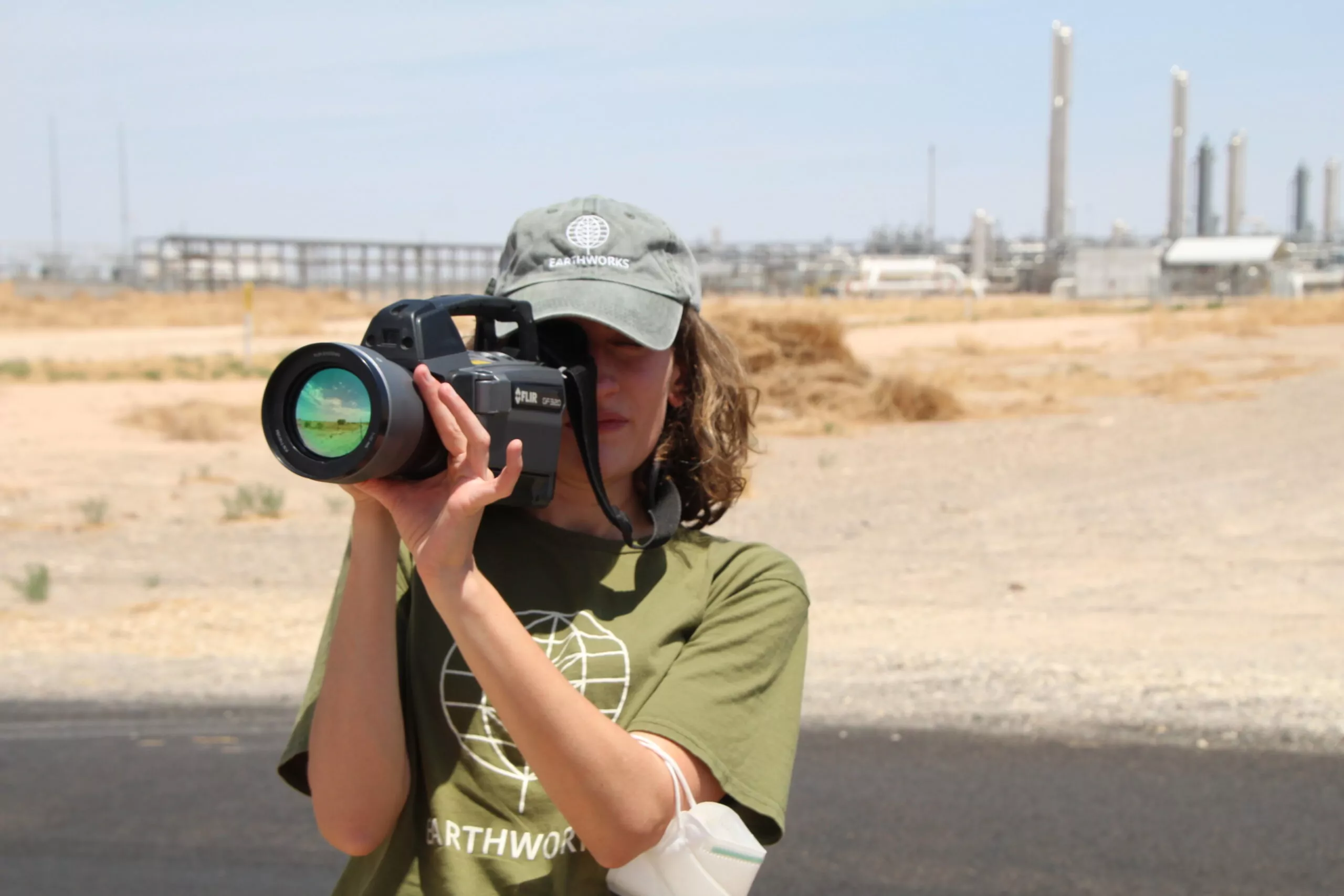
“What can we do for people living in the oil field?” asked an Earthworks board member in 2014. Texas organizer Sharon Wilson proposed a $100,000 fundraising campaign to purchase the organization’s first optical gas imaging (OGI) camera. We knew this would be a powerful tool in the hands of communities advocating a fossil fuel decline.
What is Optical Gas Imaging?
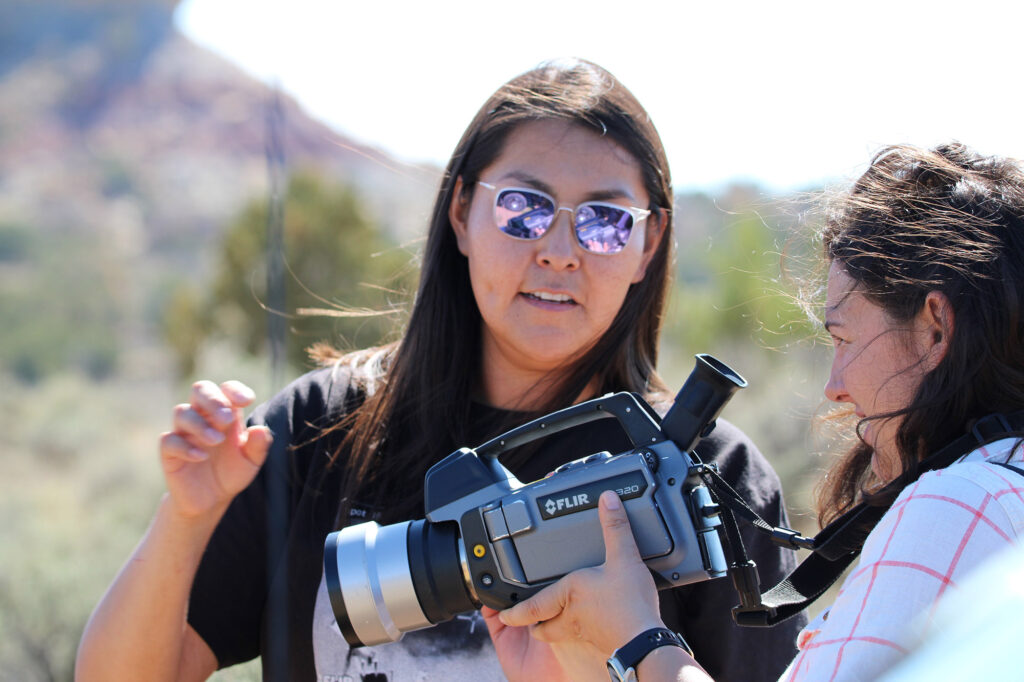
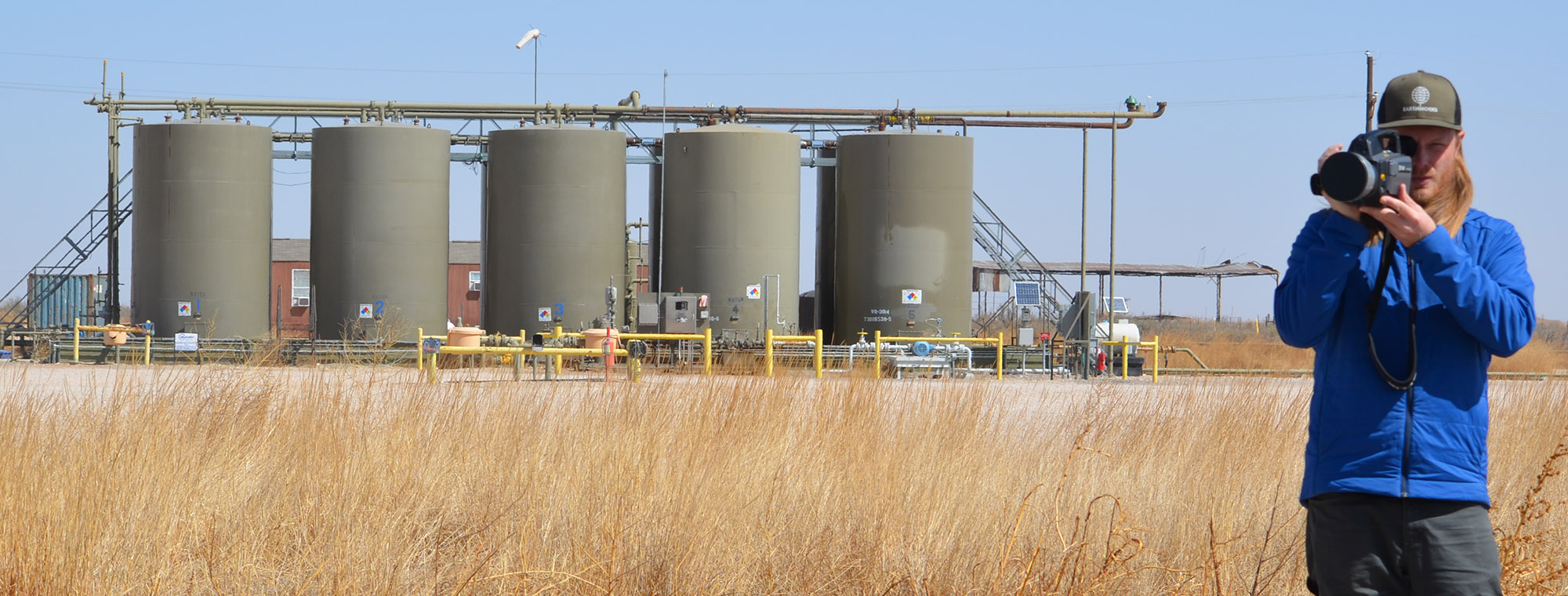
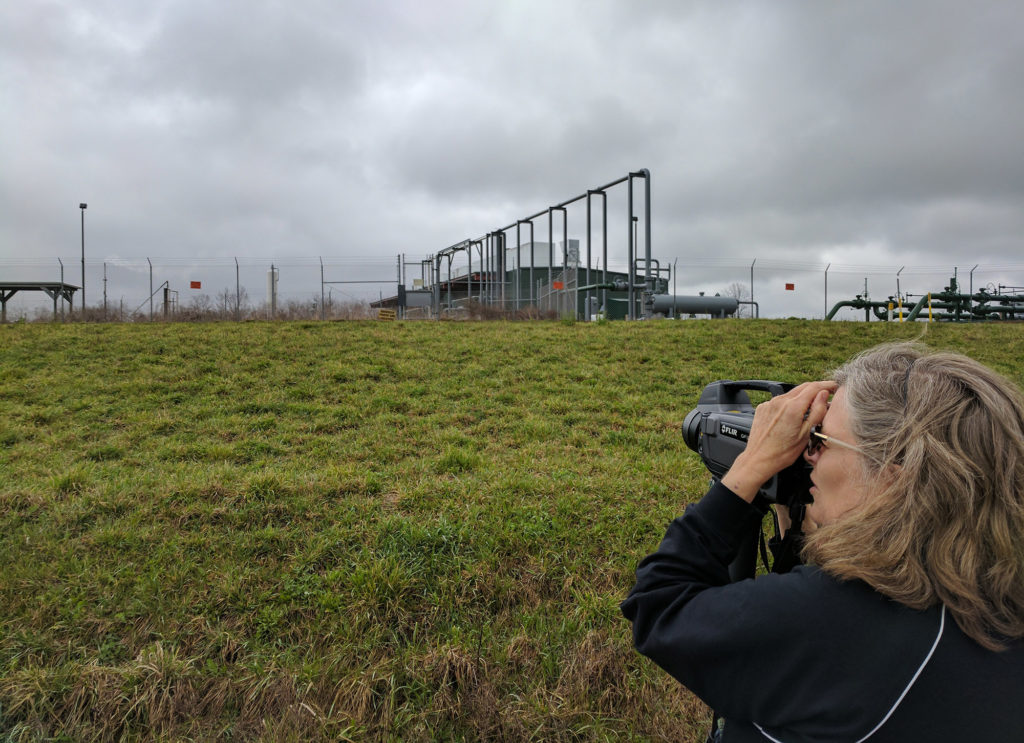
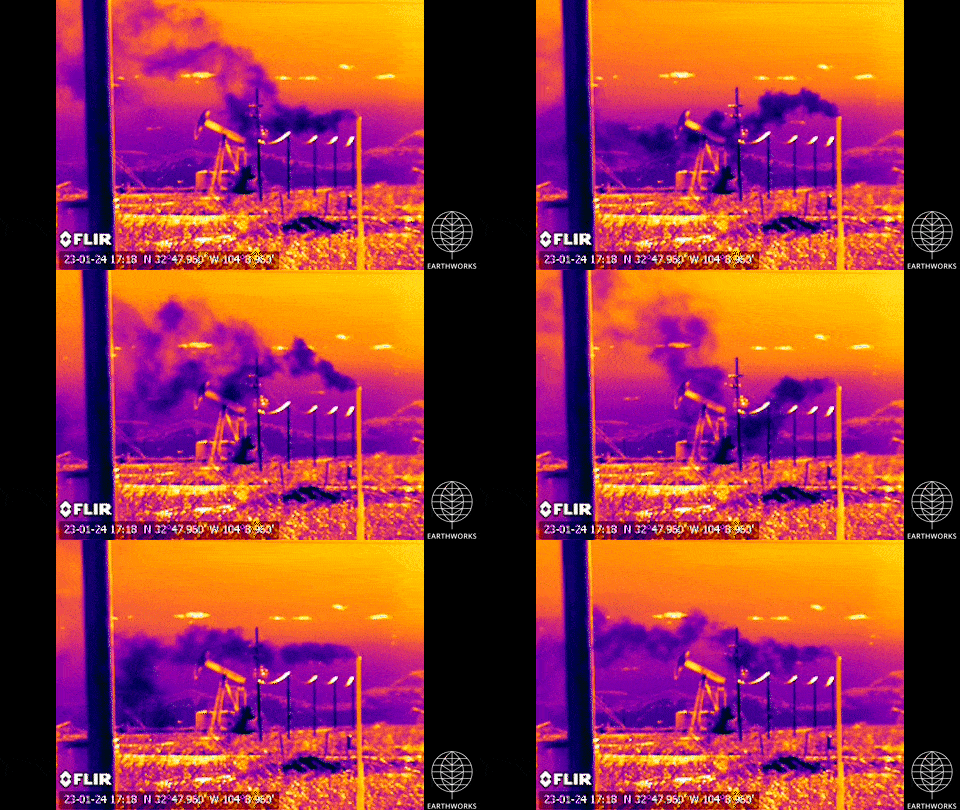
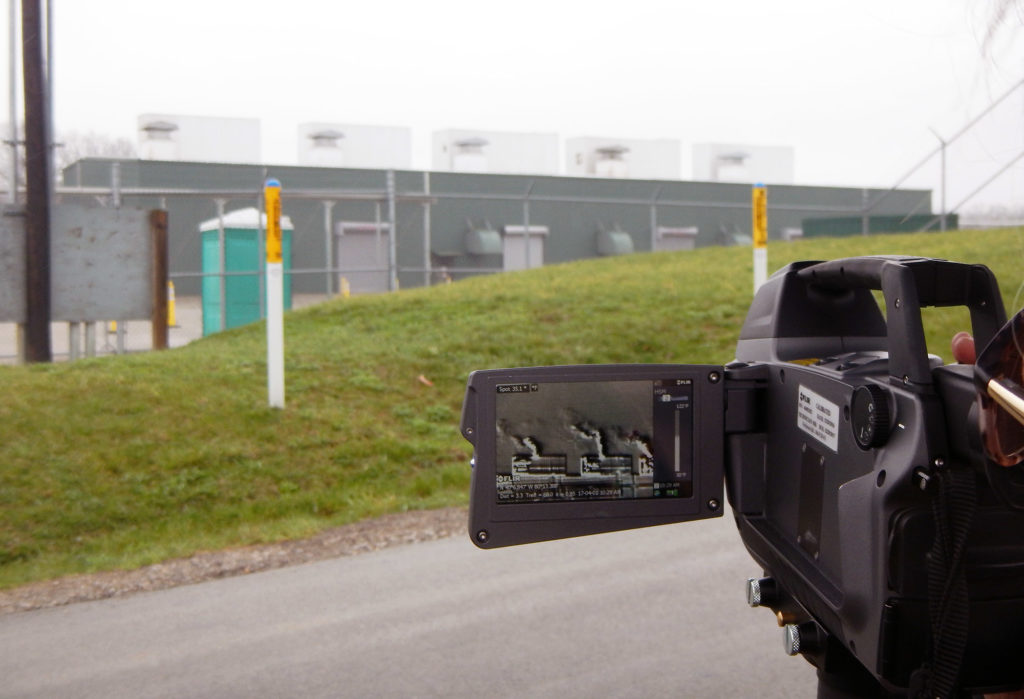
The FLIR (Forward Looking InfraRed) GF320 OGI camera detects and records volatile organic compounds, carcinogens, and greenhouse gases. Earthworks was the first advocacy organization with staff trained and certified to use it.
10 Years on the Side of the People
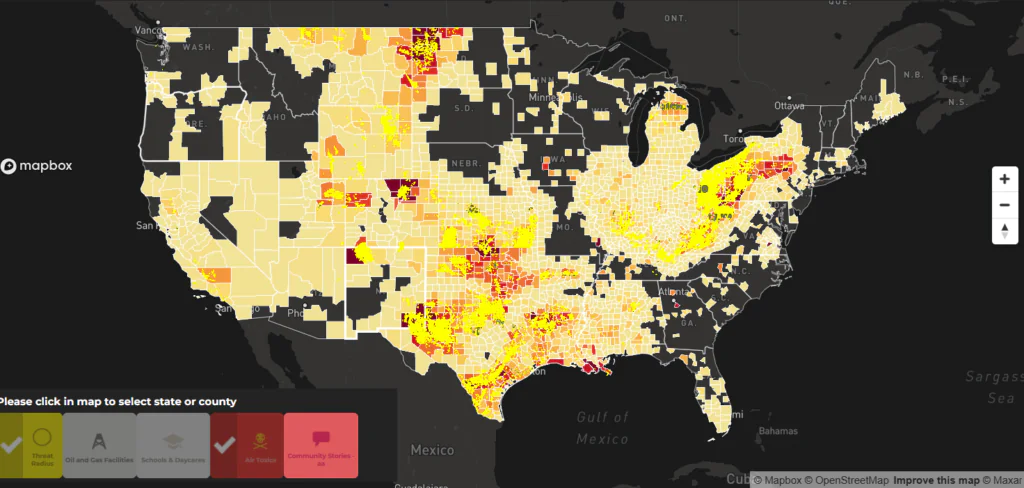
17.3 million people in America live within a half mile radius of oil and gas extraction. People on the fence line of oil and gas often experience foul odors, nose bleeds, asthma, and other health problems. The oil companies assure them that everything is OK. State regulators say what the drillers are doing is legal.
Over and over, people have said that Earthworks was the first organization to take their worries seriously. Over and over, we have aimed an OGI camera at a faulty valve or a leaky tank, and seen billowing plumes of climate-warming methane, with carcinogens such as benzene along for the ride.
The oil and gas industry is a powerful foe, and the regulators are accustomed to yielding. But, working with allies and partners, Earthworks is changing the story, step by step. Our OGI efforts have taken us to 16 states. We have focused on the Navajo Nation and four states: Colorado, New Mexico, Texas, and Pennsylvania, where 60% of U.S. oil and methane gas is extracted. In 10 years we have made 6,266 site visits.
What Your Support Makes Possible
With your help, Earthworks is:
- Exposing hidden pollution – Using OGI cameras to capture real-time evidence of methane leaks and harmful emissions.
- Holding polluters accountable – Providing regulators and the public with proof that drives enforcement and policy change.
- Protecting frontline communities – Documenting pollution that impacts the health of people living near oil and gas operations.
- Driving real solutions – Advocating for stronger rules, better monitoring, and an end to avoidable emissions.
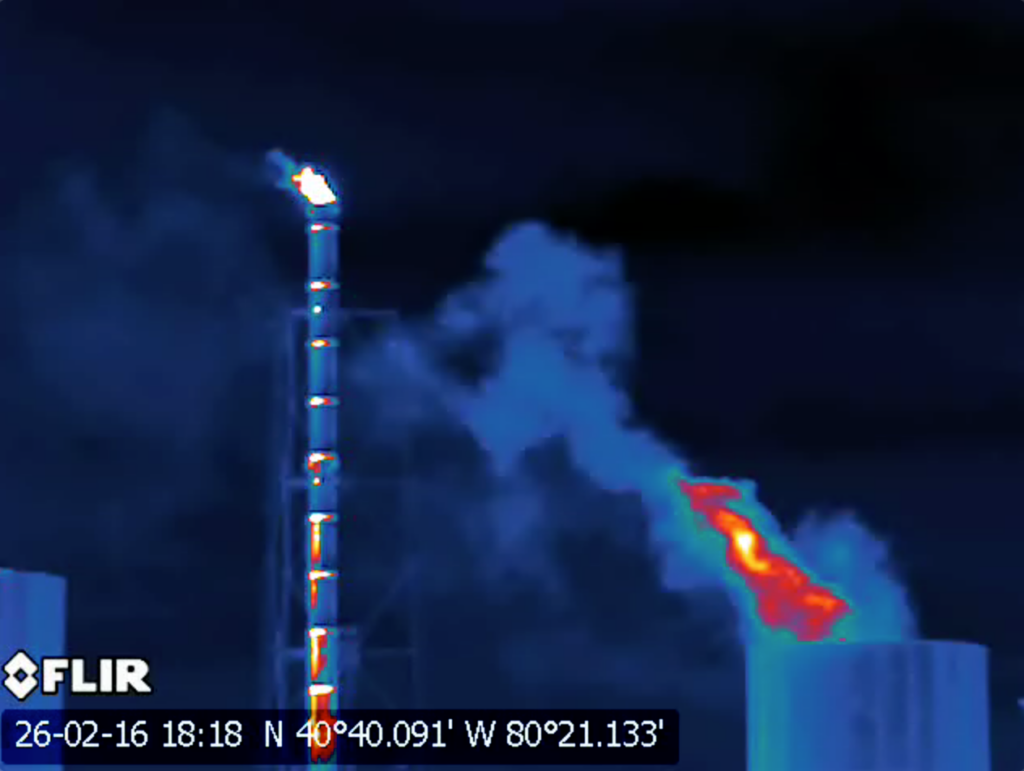
October 2015: An Early Victory in Porter Ranch, California
Methane was spewing from a blown out underground natural gas storage facility at the Aliso Canyon Oil Field in Los Angeles, California, near the community of Porter Ranch. 100,000 metric tons of methane and other toxic gasses were released over four months.
The OGI footage collected by Earthworks was aired on MSNBC’s Rachel Maddow show and many other national outlets. Community groups continue to advocate for shutting down the Aliso Canyon facility.
Forcing Prospect Energy to Clean Up in Larimer County, Colorado
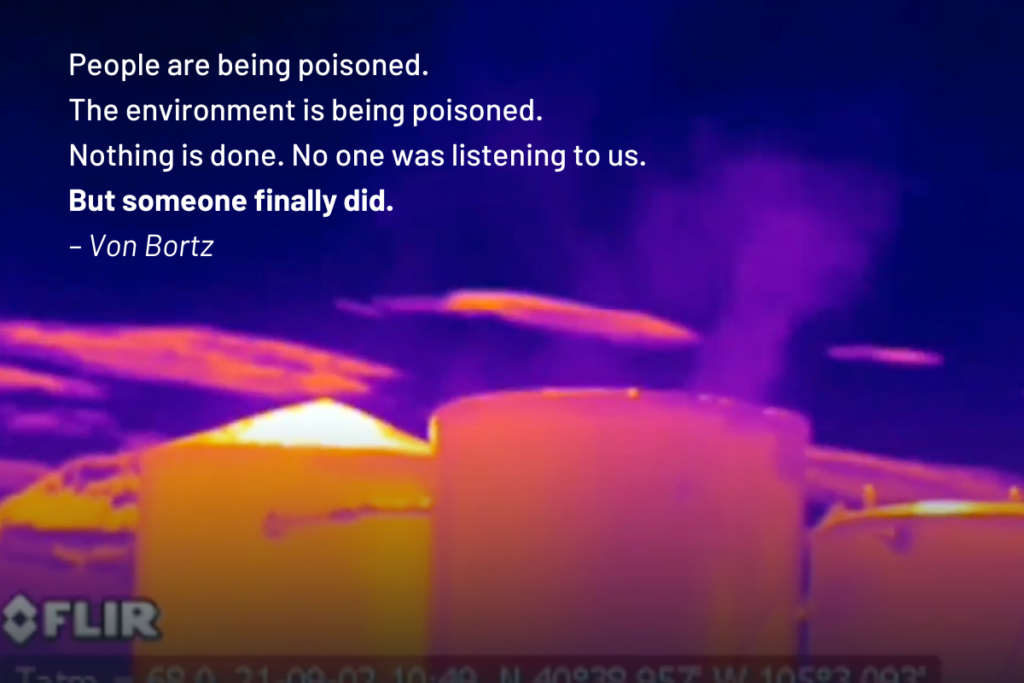
Von Bortz was experiencing dizziness, headaches, and nausea, and discovered nearby hydrogen sulfide pollution from Prospect Energy was the likely cause.
His initial complaints were met with inaction, but Earthworks made 64 separate surveys of local sites and filed 14 separate complaints that led to the adoption of stronger oil and gas regulations, and forced Prospect Energy to clean up its operation and leave the state.
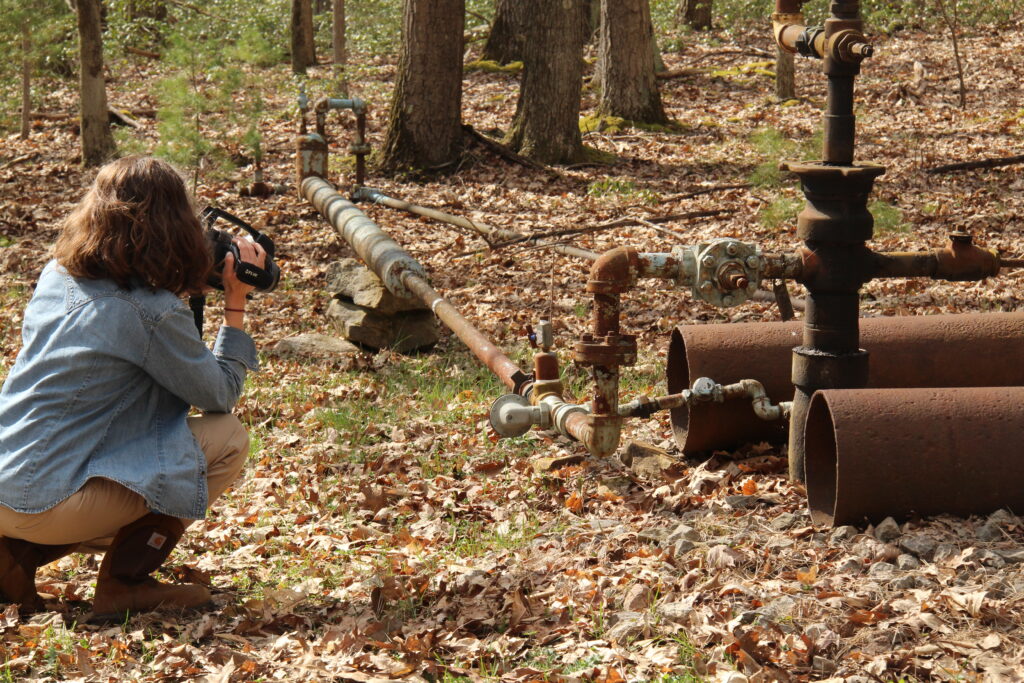
Protecting Parks in Allegheny County, Pennsylvania
In 2022, Earthworks’ Melissa Ostroff uncovered a leaking oil well emitting methane and toxic pollutants near a busy trail in Boyce Park, capturing powerful evidence with an OGI camera.
That footage helped drive a ban on new drilling in county parks and informed federal methane regulations shaped during the Biden administration.
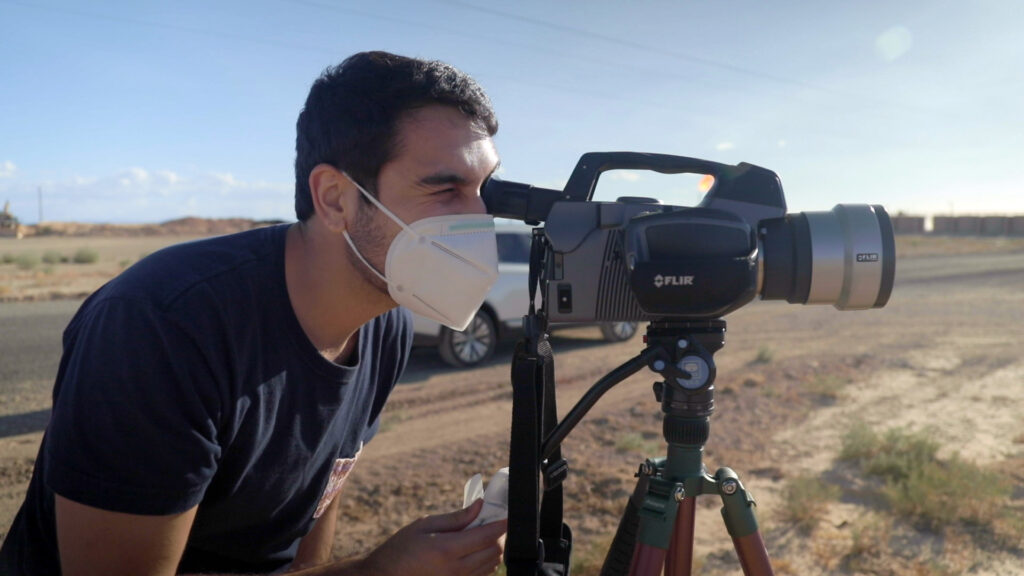
Bringing the Scale of Pollution in the Permian Basin in New Mexico and Texas to Light
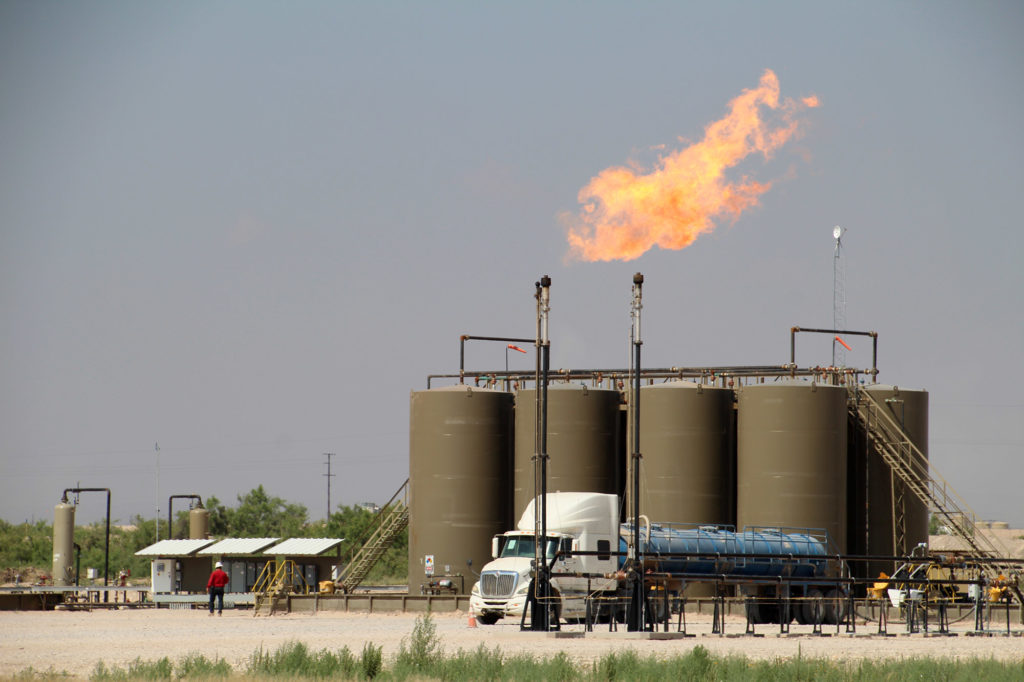
Frontline communities living near one of the world’s largest oil fields faced widespread, largely invisible methane pollution.
Earthworks’ investigations have helped bring national attention to the scale of emissions and community exposure, resulting in news stories from a local, state, national, and international level. In New Mexico, the State Land Office banned new oil and gas wells on state land within one mile of schools.
Media Clips
The challenge of tracking methane emissions and why they are higher than publicly reported
PBS Newshour
Oil Site Leaked Gases Uncontrollably for Months, Group Says
Bloomberg
Study finds levels of a dangerous gas “off the scales” in Central Texas oilfield
Texas Tribune
Most flares from Texas Permian oil drilling lack permits -study
Reuters
How oil and gas companies disguise their methane emissions
Stopping Pollution Next to a School in the Cultivando Community in Colorado
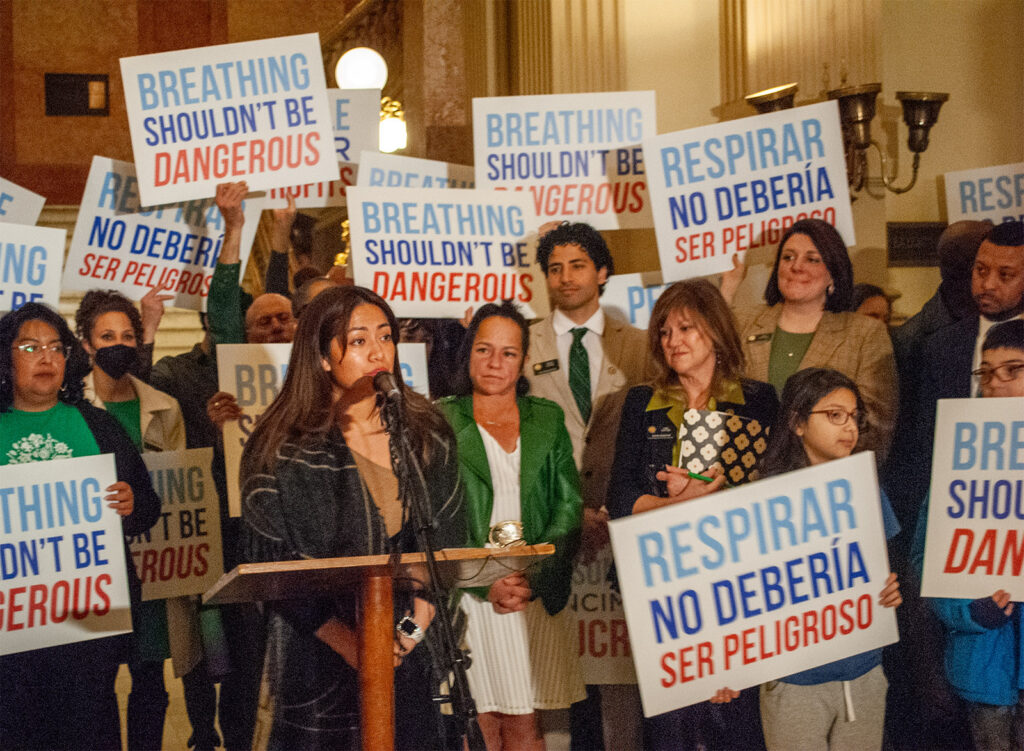
In 2024, the Cultivando community in Commerce City discovered plans to expand an oil storage facility next to a school – without public notice – in a neighborhood already burdened by high pollution. With support from Earthworks, OGI footage exposed emissions and fueled community advocacy, leading the company to withdraw its permit within months.
Supporting the “Warriors for the Amazon” in Ecuador
In 2020, nine young women, known as the “Warriors for the Amazon,” sued and won a landmark environmental human rights case against the government of Ecuador, proving that burning methane harmed the health of communities. In May 2025, Earthwork’ OGI findings were used in a second case, challenging multinational energy company, ENAP, and the Ecuadorian government’s failure to end flaring and implement the sentence.
Creating Methane Pollution Limits in the Navajo Nation in New Mexico
In the Eastern Agency of the Navajo Nation in northwestern New Mexico, complex land ownership has allowed oil and gas pollution to persist with little oversight.
After learning to use OGI technology, Navajo advocate Kendra Pinto documented methane plumes near schools and helped push for accountability. In 2024, the Navajo Nation adopted its first methane-limiting rule, and community leaders are now working to ensure it is fully enforced.
Step Into No Man’s Land
Check out No Man’s Land, a powerful short documentary from Earthworks that follows Indigenous women in the Navajo Nation as they fight against the harms of oil and gas extraction.